Last Updated: September 28, 2026
Last Updated: September 28, 2026





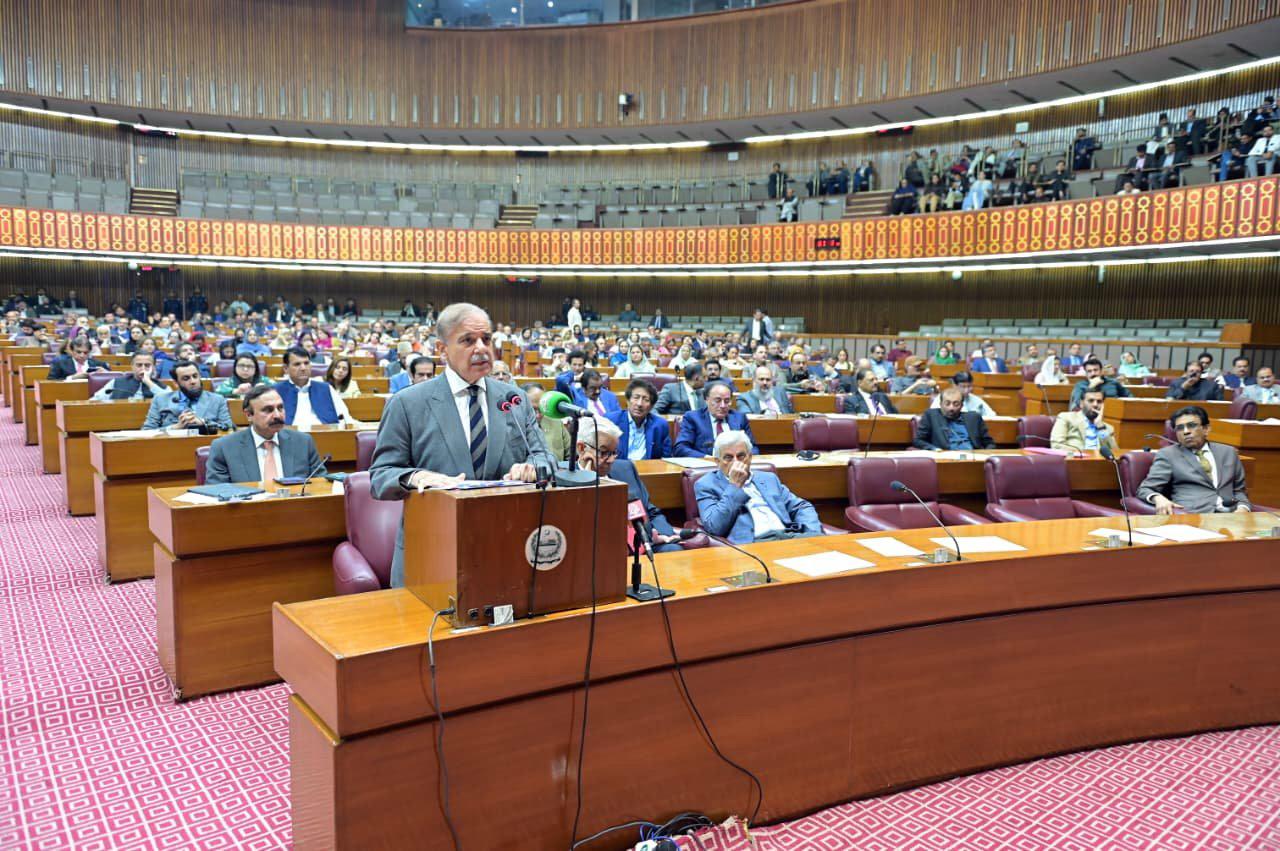
Pakistan faces a stark constitutional paradox: a state that projects strategic strength abroad, yet remains unable to establish a stable and broadly accepted constitutional balance of power at home.
The crisis cannot be resolved merely by changing governments or replacing one political beneficiary with another; it needs a rational, inclusive constitutional framework agreed upon by the country’s principal stakeholders to determine how power is exercised.
Where does one begin the story of Pakistan’s politics of perpetual confrontation? With the containers gathering around Islamabad, the preventive arrests ahead of the PTI’s September 27 march, or the continuing struggle over Imran Khan’s medical care, meetings with his family or the perpetual government-PTI verbal brawls over political legitimacy, judicial propriety and fair play? Or must one begin before Pakistan’s birth with the circumstances of its creation and the asymmetrical institutional and political power and anxieties and shortcomings of a political culture that evolved in an embattled environment?
The immediate confrontation is only the latest manifestation of a deeper, enduring asymmetry: between constitutional office and actual power; between authority claimed and legitimacy earned; and between institutions expected to remain within constitutional boundaries and those capable of crossing them with little cost or consequence.
The players repeatedly change places, but the machinery of exclusion and coercion survives.
This asymmetry has also been reinforced by the weak performance, excesses, omissions and shifting power alliances of the elected political class.
The United States and Russia weakened safeguards from a proposed United Nations framework governing lethal autonomous weapons, including...
At least 27 people were killed and more than 20 injured in two separate shooting incidents in South...

Iran's Supreme Leader Mojtaba Khamenei was reportedly pulled from the rubble of a Tehran hospital after US-Israel strikes,...
Hong Kong is facing growing concerns over civil liberties and political freedoms, while the changing environment is also...
INS Sudarshini has departed Alexandria after completing a port call involving naval training, professional interactions and cultural engagements...
US President Donald Trump says Iran wants the Strait of Hormuz reopened immediately amid financial pressure, as Tehran...
Aries: The day will be auspicious...