Last Updated: October 20, 2026
Last Updated: October 20, 2026





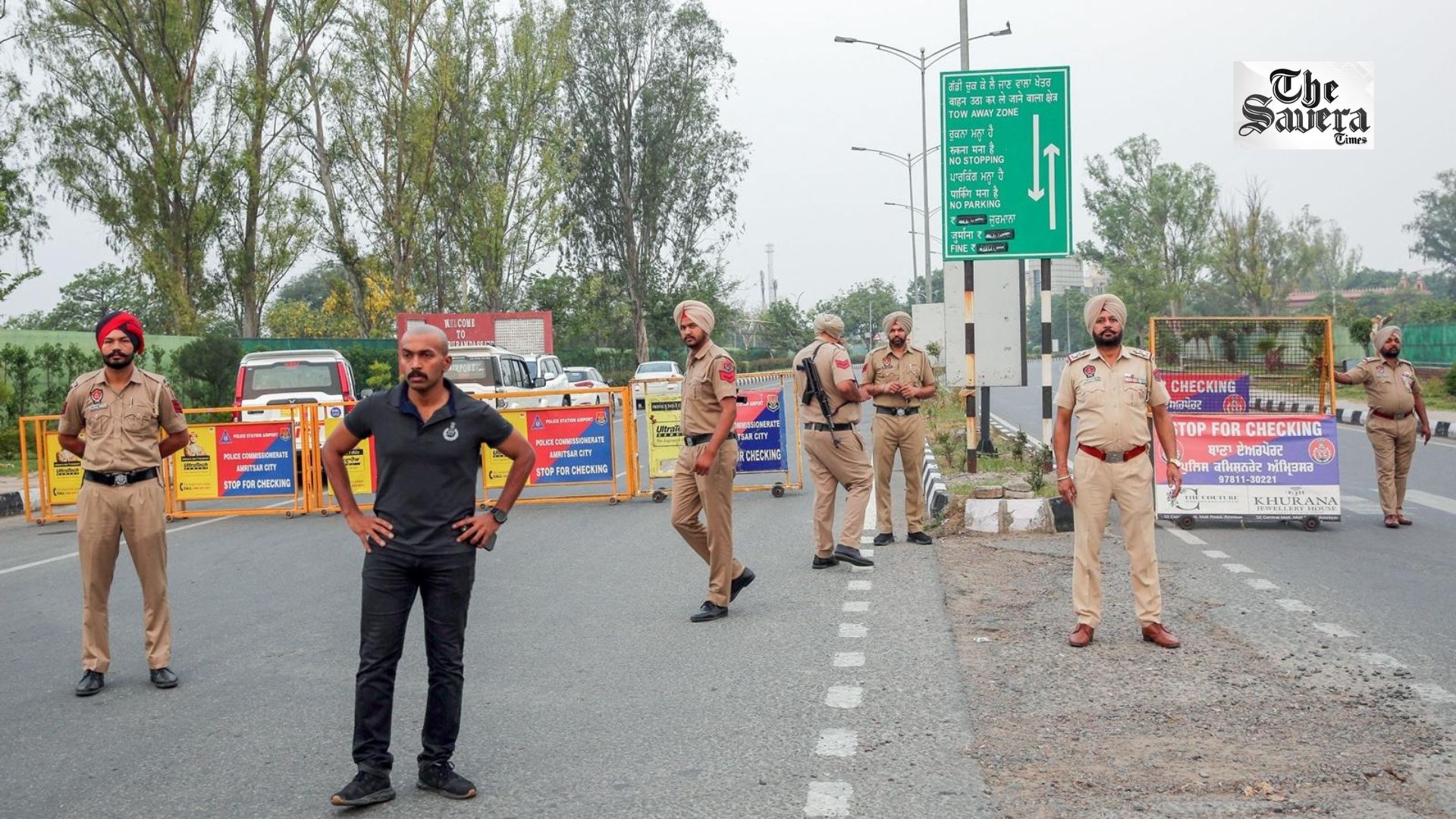
For decades, Punjab has borne the scars of terrorism. The state paid an enormous price in blood before peace finally returned. Today, there are worrying signs that old methods of destabilisation are returning in a new avatar.
The name increasingly appearing in investigations across Punjab, Haryana and Delhi is Shahzad Bhatti, a Pakistan-based gangster whom Indian agencies allege has transformed himself into a cross-border terror handler. Chargesheets and investigations by the NIA and various state police agencies have linked him to a series of grenade attacks, police station blasts and terror conspiracies. What makes this threat particularly dangerous is not merely one individual. It is the model he allegedly represents.
Unlike the terrorism of the 1980s and 1990s, today’s threat is decentralised and digital. Social media accounts replace clandestine meetings. Gangsters replace trained militants. Small modules carry out attacks using locally recruited youth. Propaganda, intimidation and promises of quick money are used to lure vulnerable youngsters into criminal and anti-national activities. Investigators have repeatedly pointed to a disturbing pattern: attacks on police establishments, reconnaissance of sensitive locations, recruitment through social media and the use of criminal networks as force multipliers. The objective appears to be simple— to create fear, undermine confidence in institutions and keep Punjab on edge. Punjab’s greatest strength has always been its social resilience.
The people of the state defeated terrorism once before because ordinary citizens refused to surrender their society to violence and extremism. That lesson remains relevant today. Every citizen, especially the youth, must understand that gangster glamour on social media often conceals criminal exploitation and, in some cases, alleged foreign manipulation. Communities, religious institutions, educational establishments and families must remain alert to attempts at radicalisation and criminal recruitment. Security agencies have a difficult task.
They need resources, technology and inter-agency coordination to dismantle these emerging hybrid terror-gangster ecosystems. But the battle cannot be won by police action alone. Punjab’s answer to those seeking to destabilise it should be the same as it was in the past: unity, vigilance and an unwavering rejection of violence. Terrorism may adopt new names and new methods, but Punjab’s determination to preserve peace must remain stronger than ever.
A historic milestone was achieved on Tuesday in the expansion of Chhattisgarh's rail networkA historic milestone was achieved...

Model Shraddha Dubey, one of the main accused in the death of Lucknow businessman Shiv Sharma, has been...
Rashtriya Swayamsevak Sangh (RSS) chief Mohan Bhagwat on Tuesday called for strengthening national unity, social harmony, indigenous practices...
The Punjab Vigilance Bureau (VB) during its ongoing drive against corruption in the state, has apprehended Inspector Gulshan...
Amidst comparisons of youth protests in India to political movements and regime changes in France, Nepal, and Bangladesh,...

Rashtriya Swayamsevak Sangh (RSS) chief Mohan Bhagwat appealed for maintaining social unity in his Vijayadashami address in Nagpur...
Aries: The day will be auspicious...