Last Updated: October 13, 2026
Last Updated: October 13, 2026





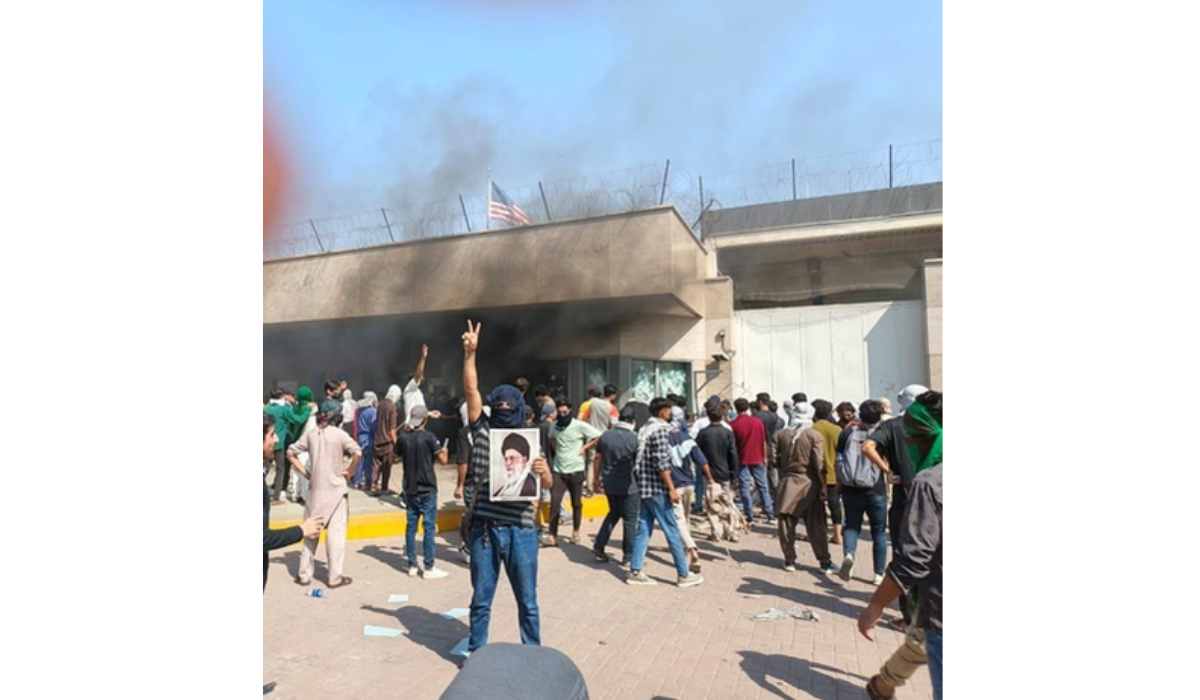
New Delhi: Pakistan’s Army Chief Asim Munir is facing a significant challenge in controlling pro-Iranian Shia mobilization in the country. This mobilization is steadily growing, but Pakistan is finding it difficult to suppress it directly through the government machinery
A Strategy to Strike a Balance Between Iran and the US
Pakistan wants to play the role of a mediator between Iran and the United States, so it is important for it to remain neutral. Direct action against the Shia community could anger Iran, jeopardizing its diplomatic efforts.
Support to Sunni organizations may increase violence
For this reason, Pakistan has promoted radical Sunni organizations like Sipah-e-Sahaba (SeS) and Jamaat-ud-Dawa (JuD), which are supported by the army and ISI. According to officials, these groups have been given free rein, which is likely to increase street violence and conflict with the Shia community.
Sources say that by taking action through these organizations, Pakistan can avoid direct responsibility and maintain its position internationally. However, this strategy is feared to increase sectarian tensions and violence in the country.
Meanwhile, Asim Munir is maintaining contacts with Iranian President Masoud Pezeshkian and Gulf countries to strengthen Pakistan’s role at the regional level.
A major train accident occurred on Tuesday in the Multan district of Pakistan's Punjab province. At least four...

Canadian Foreign Minister Anita Anand will arrive in New Delhi on an official visit on Tuesday. During her...
International human rights organization Amnesty International has expressed serious concern over the alleged arbitrary arrests of prominent leaders...

US President Donald Trump says Vladimir Putin may be more willing than Volodymyr Zelenskyy to reach a peace...
A magnitude 6.1 earthquake struck Panama early Tuesday at a depth of 10 kilometres. The tremor followed a...

US President Donald Trump has indicated the possibility of meeting North Korean leader Kim Jong Un during his...
Aries: The day will be auspicious...