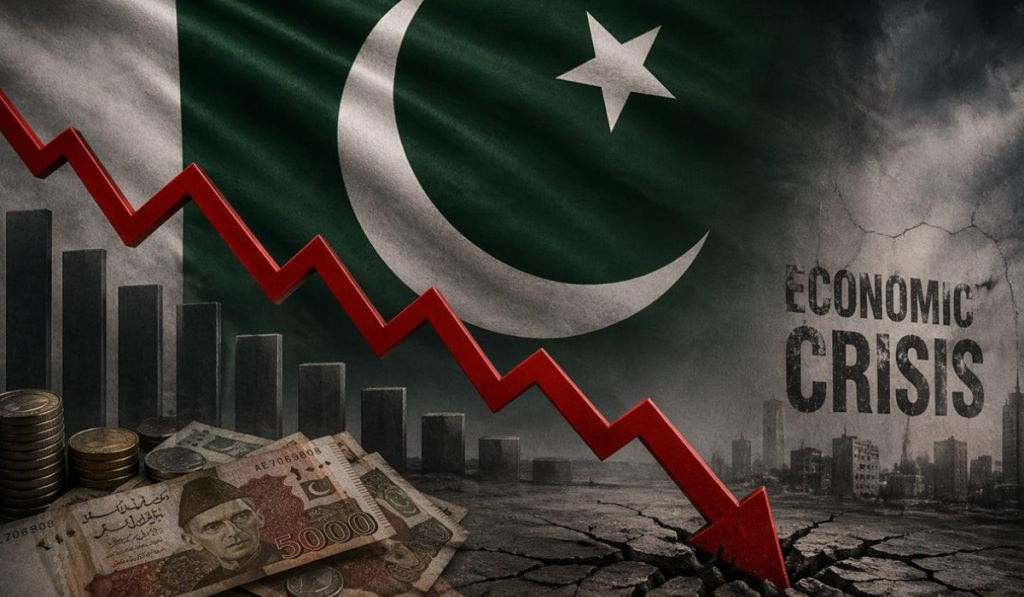
Pakistan’s strained ties with neighbours — including India — have effectively left much of its land borders closed to trade and travel, fuelling concerns over the economic costs of prolonged regional isolation. trade and travel links with India remain suspended, while commercial activity with Afghanistan and Iran has also been significantly disrupted, reducing cross-border economic engagement across much of the country’s frontiers. Pakistan shares borders with India to the east and Afghanistan and Iran to the west, while its northern frontier connects with China through a limited corridor. The absence of normal trade and travel connectivity with three of Pakistan’s four neighbors has imposed substantial economic costs, particularly on communities located near border regions. Moreover, the restrictions have also curtailed opportunities for commerce, tourism and peopleto-people exchanges. Relations between India and Pakistan deteriorated sharply after New Delhi revoked the special constitutional status of Jammu and Kashmir in August 2019. Since then, direct trade and most travel links between the two countries have remained suspended. Trade disruptions with Afghanistan have also affected businesses on both sides of the border. Whereas, Pakistan had trade surplus with Afghanistan but closing of border with its western neighbor has made things difficult for trading community of both countries. Pakistan’s trade relations with Iran have likewise suffered amid regional security concerns and international sanctions-related pressures. Reduced commercial engagement with Tehran has deprived Pakistan of opportunities in energy cooperation and border trade. While Pakistan’s economy continues to face challenges including slow growth, political uncertainty and governance concerns, neighbouring India has maintained stronger economic momentum. Limited regional integration has disproportionately affected Pakistan compared with its larger and better-diversified neighbors. On the other hand, Pakistan gained spotlight on debt management and economic reform after it was chosen to lead a newly formed platform of developing country borrowers, even as the country continues to rely on international financial assistance. Finance ministers and central bank governors from over 30 developing countries chose Pakistan to lead the initiative, and country’s Finance Minister Muhammad Aurangzeb as leader of the initiative for the 2026-27 term, according to multiple reports. The selection was done at the platform’s first governing council meeting in Bangkok. held on the sidelines of the World Bank and International Monetary Fund (IMF) Annual Meetings. The new platform targets cooperation on managing debt, sharing reform experiences and identifying new sources of development financing. Islamabad and IMF reached a staff-level agreement earlier in October to secure approximately $1.21 billion in additional financing, underlining its continued dependence on external support.
Pakistan’s Border Closures Strain Economy