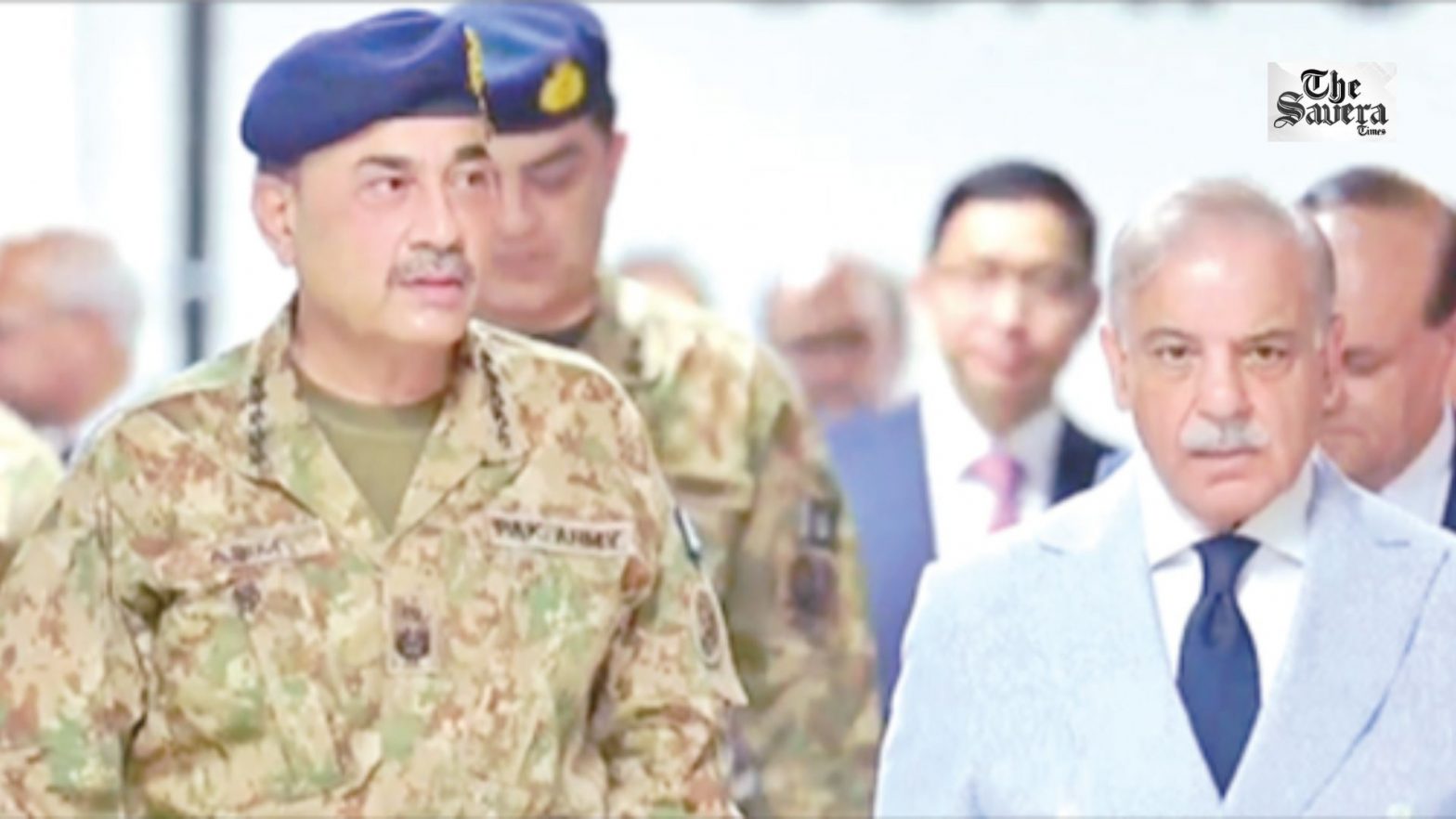
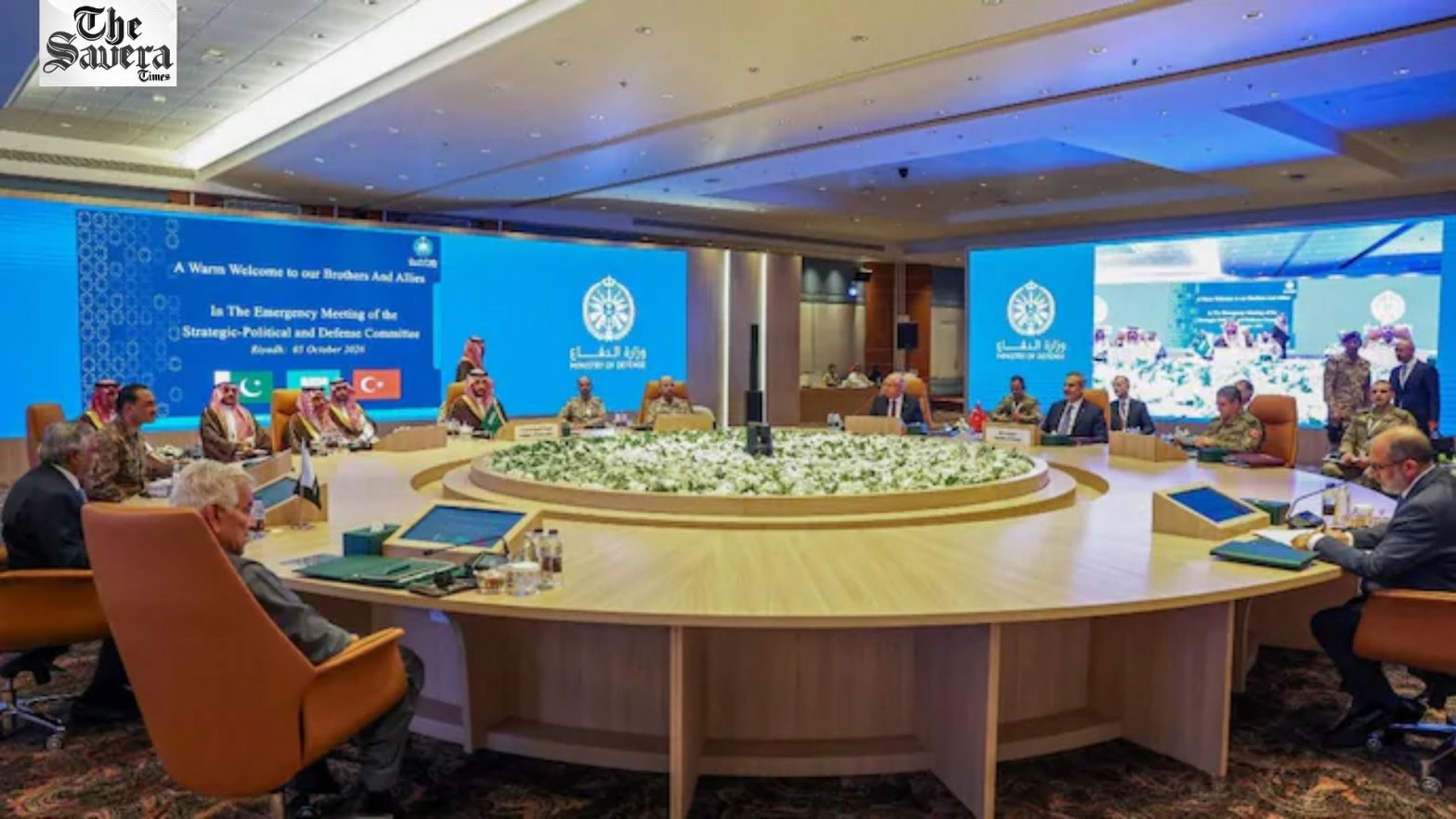
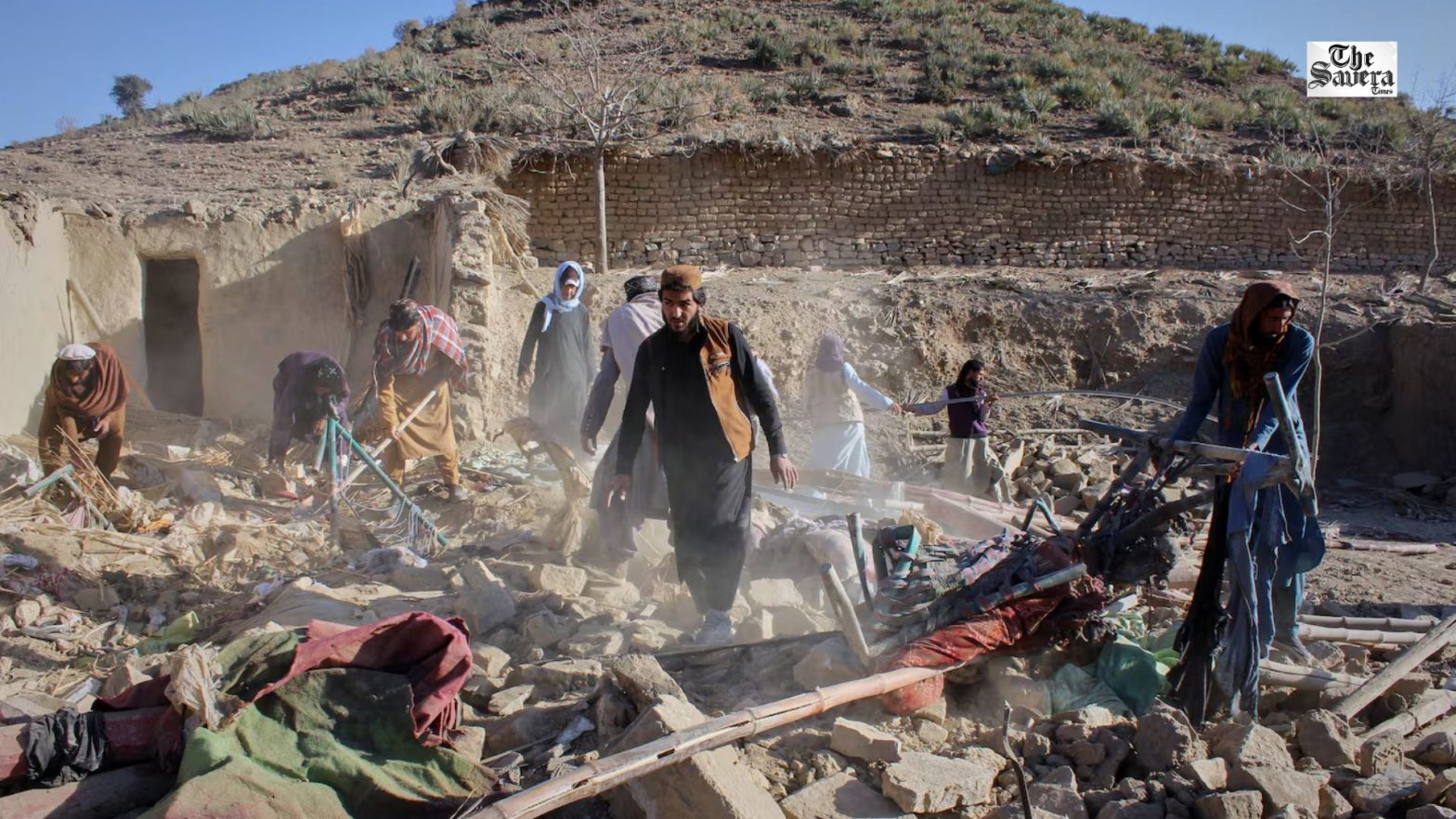
Pakistan has portrayed its airstrikes in Afghanistan as actions taken in response to militant attacks and threats allegedly originating from Afghan territory, but the increasing civilian death toll and its still worsening security situation spark serious questions over its claims, while the action is also seen as a bid to avoid the commitments it faces under the Mecca Joint Defence Agreement as well as divert attention from Army chief Asim Munir's failure on the security front.
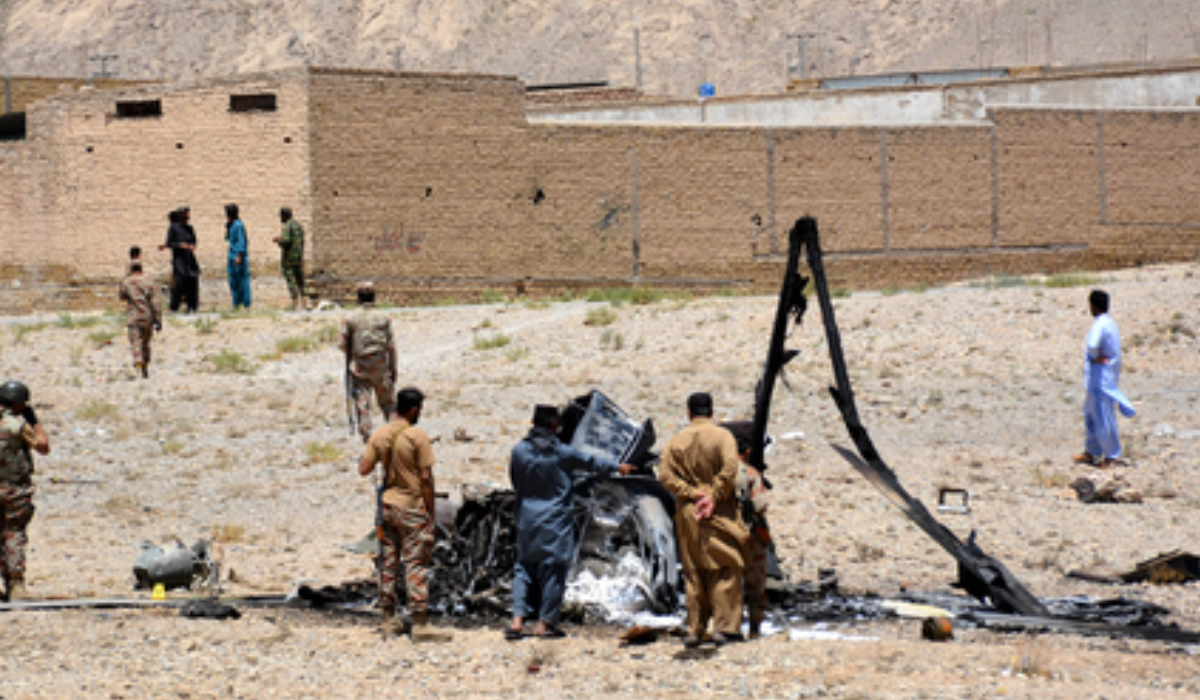
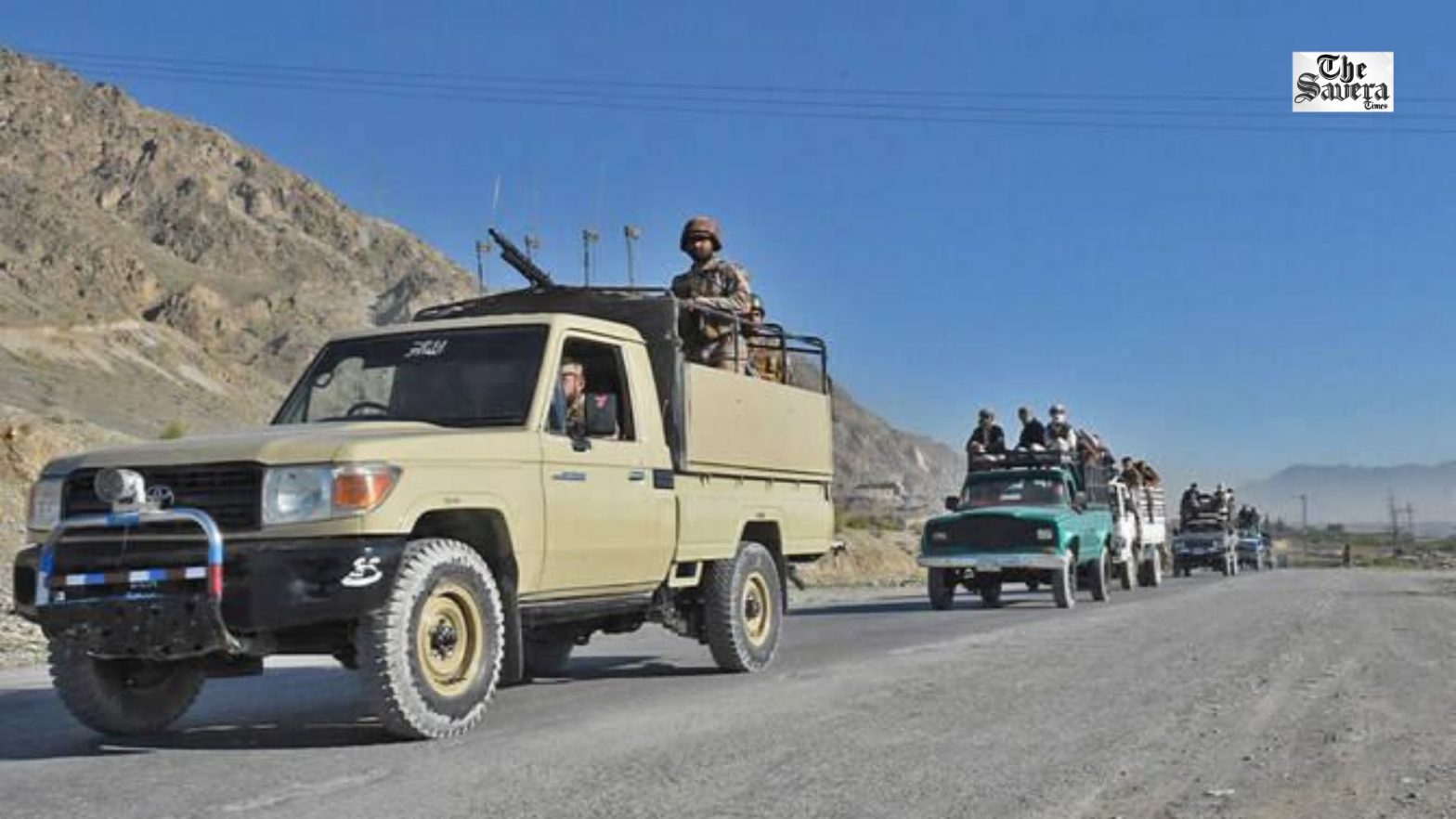
The Balochistan Liberation Front has claimed that 18 Pakistani Frontier Corps personnel were killed and several injured in an attack on an FC camp in Washuk.
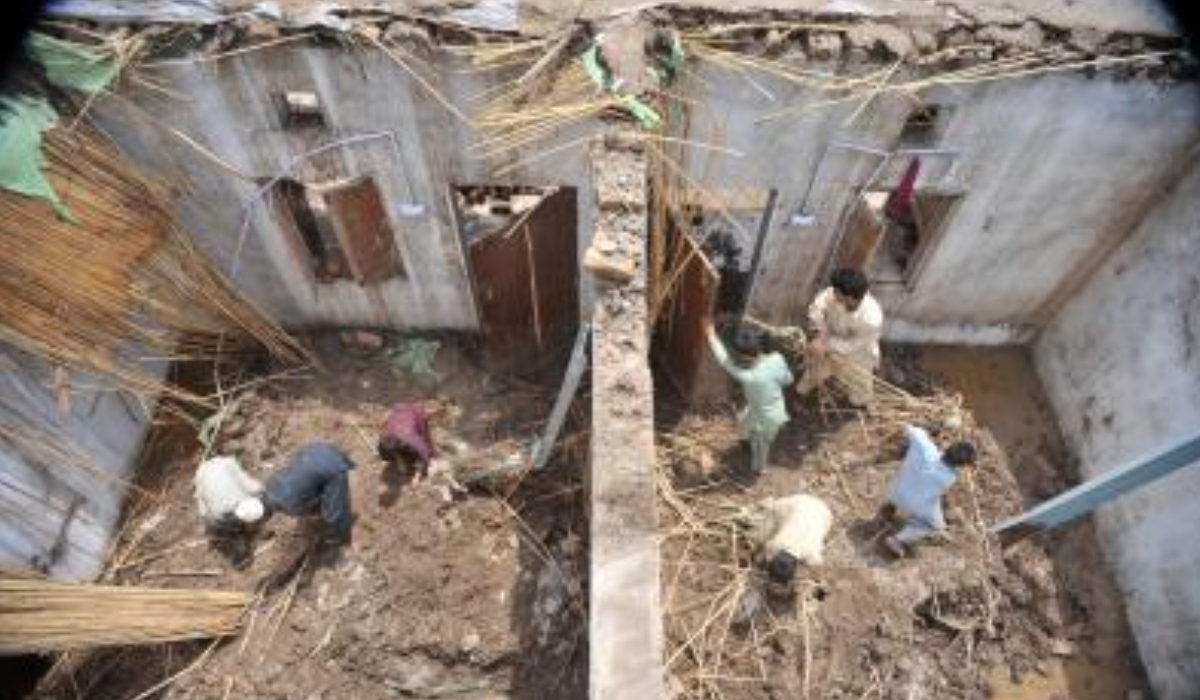
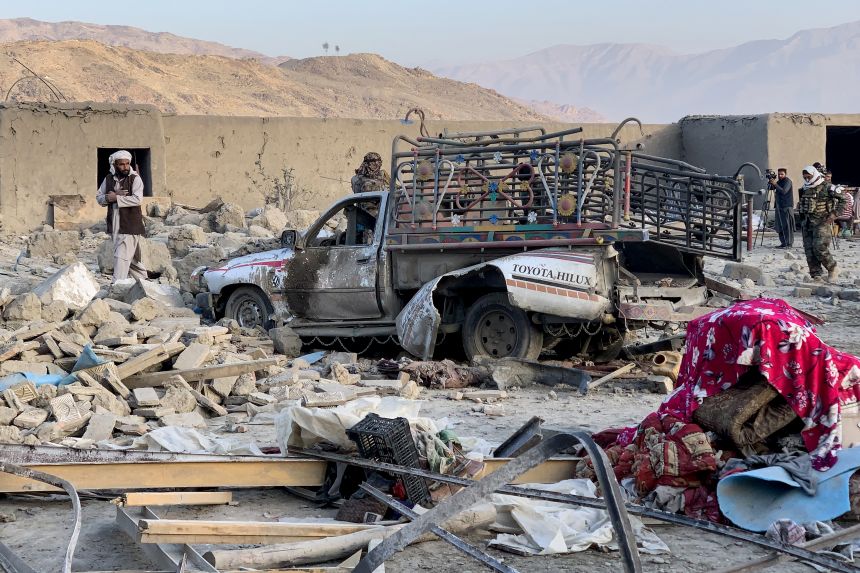
UNAMA has confirmed that at least 10 civilians, most of them children, were killed and nine injured in airstrikes in Afghanistan’s Kunar and Helmand provinces.
Pakistan is increasingly turning to direct military force in Afghanistan as Islamabad can neither command the government in Kabul nor build an effective alternative to it, a recent report mentioned. It noted that the shift underscores the extent to which the doctrine of strategic depth has collapsed, with Pakistan now seeking ways to destabilise the.
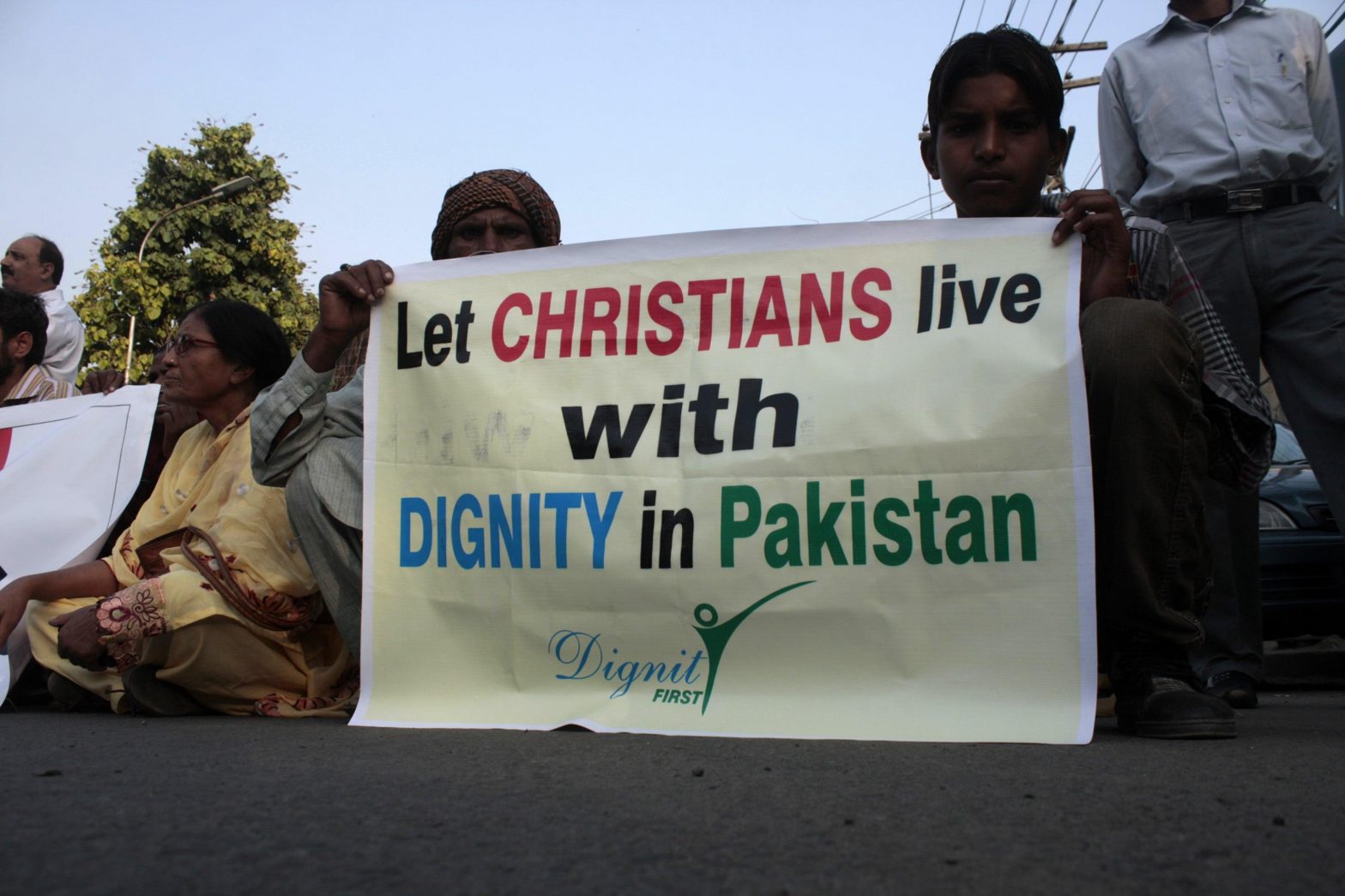
The cases of Christian girls Maria Shehbaz and Aneeqa Ishaq have been reported at a time when Pakistan is facing renewed scrutiny over treatment of its religious minorities.
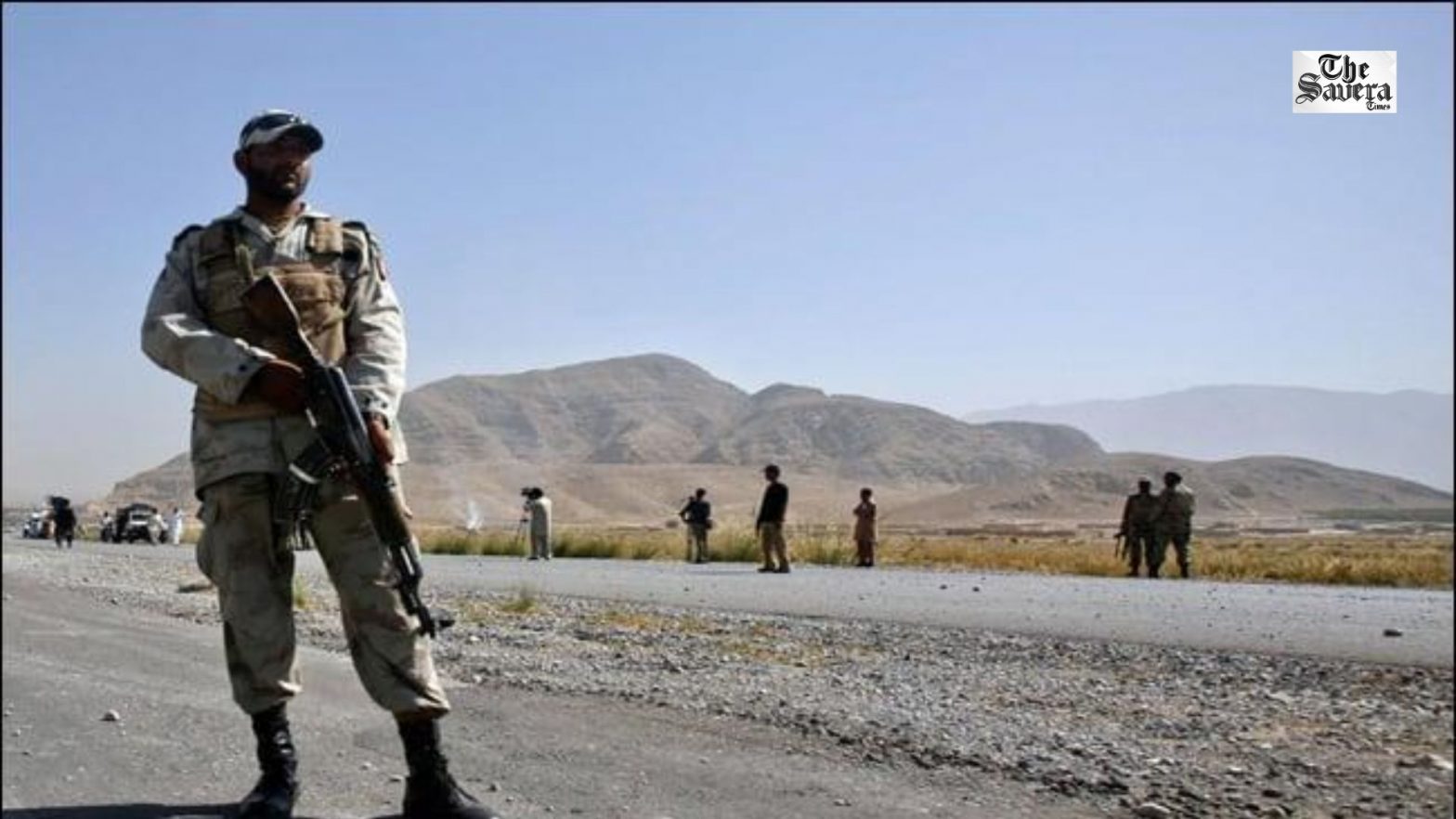
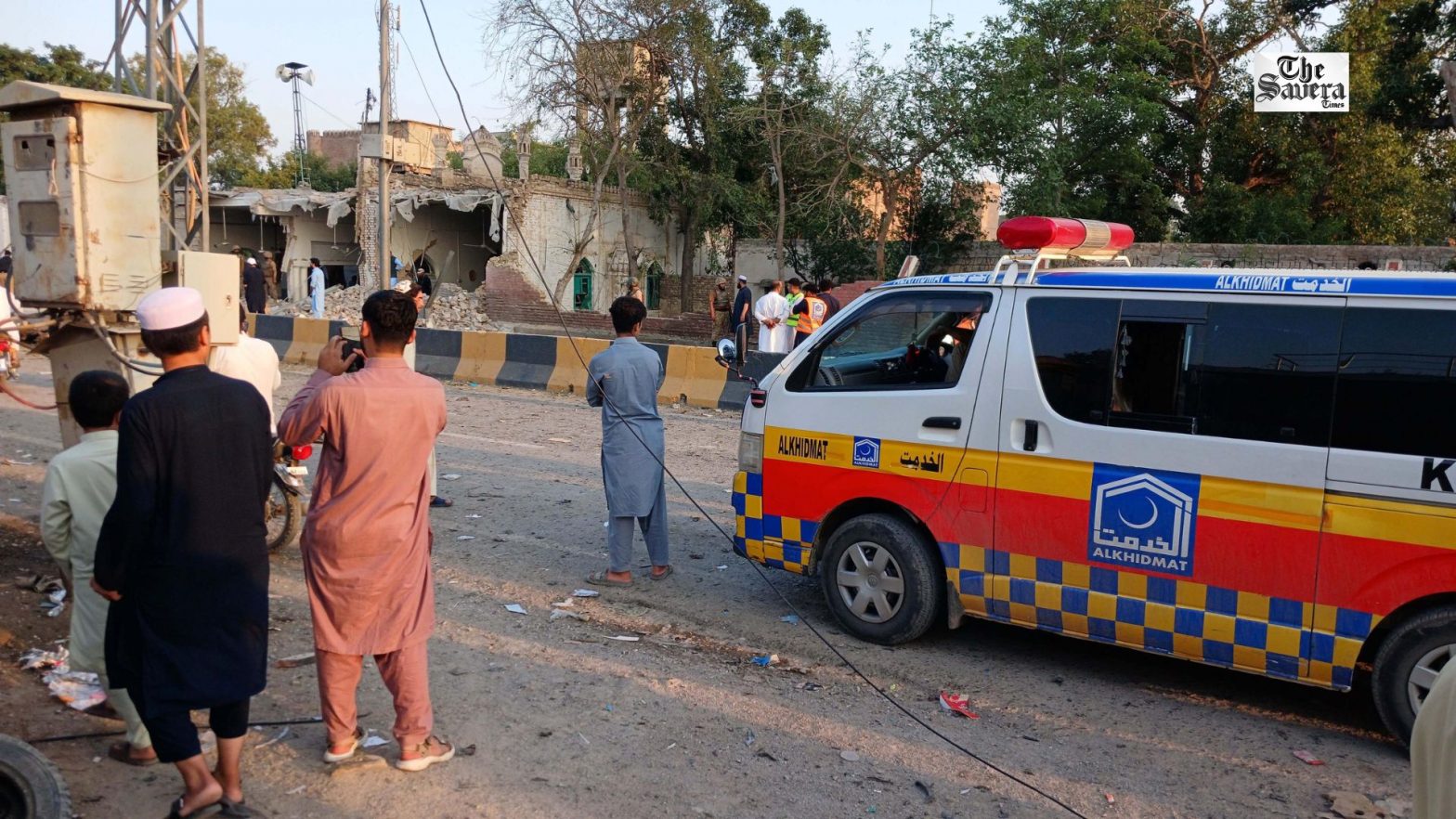
Three traffic police personnel were killed and two passers-by injured after armed assailants attacked a police vehicle in Tank district of Khyber Pakhtunkhwa.
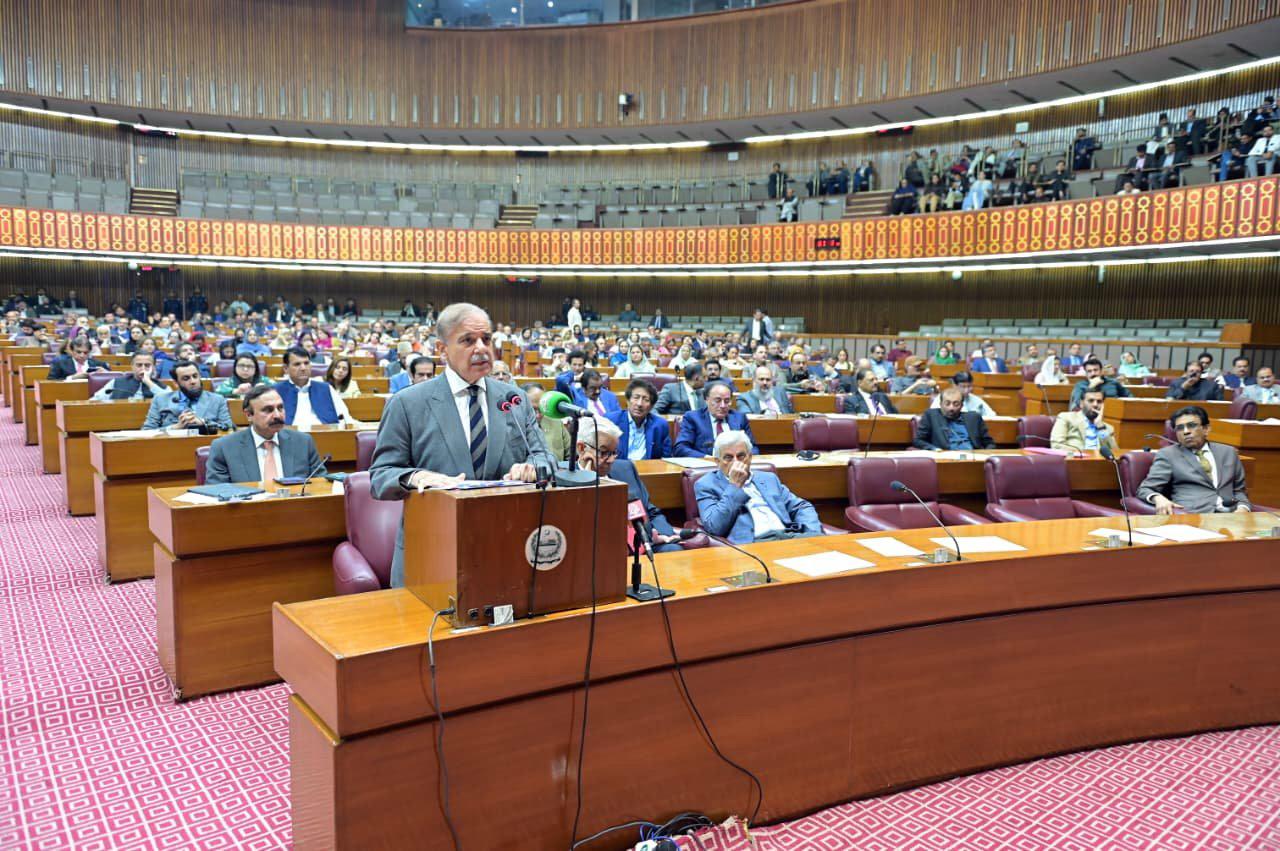
Pakistan faces a stark constitutional paradox: a state that projects strategic strength abroad, yet remains unable to establish a stable and broadly accepted constitutional balance of power at home.
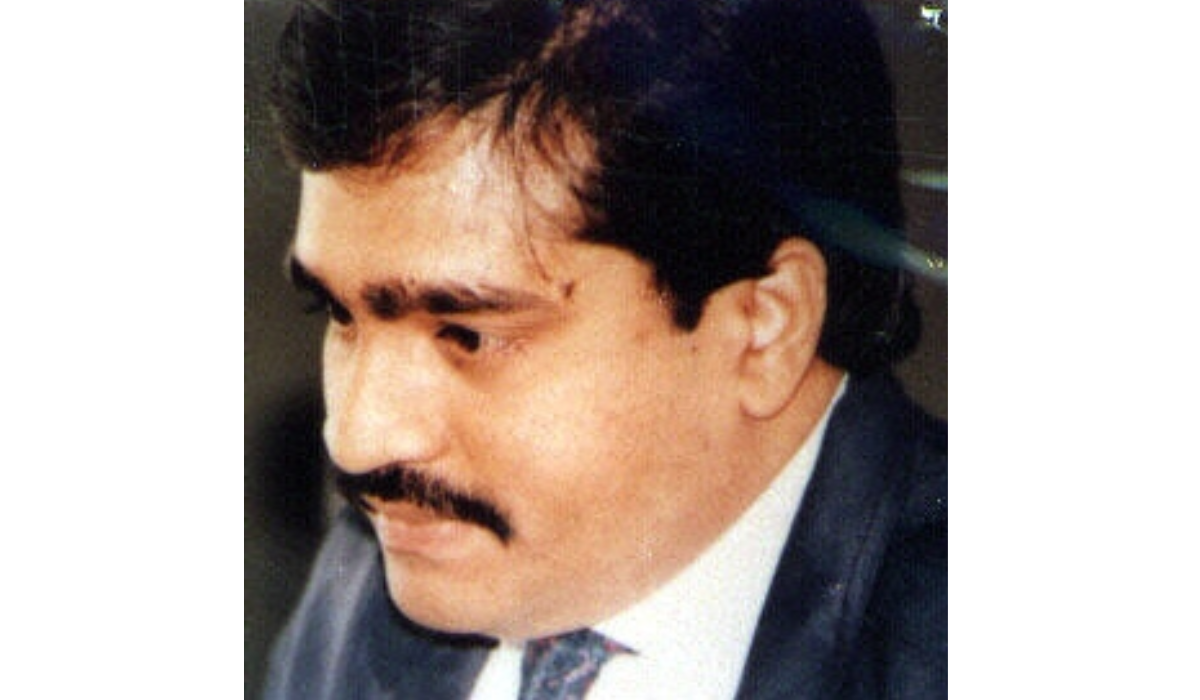
Pakistan’s Inter-Services Intelligence (ISI) has reportedly changed its approach towards fugitive underworld figure Dawood Ibrahim, with greater emphasis now being placed on keeping him secure and moving him to a location near Karachi port