Last Updated: October 13, 2026
Last Updated: October 13, 2026





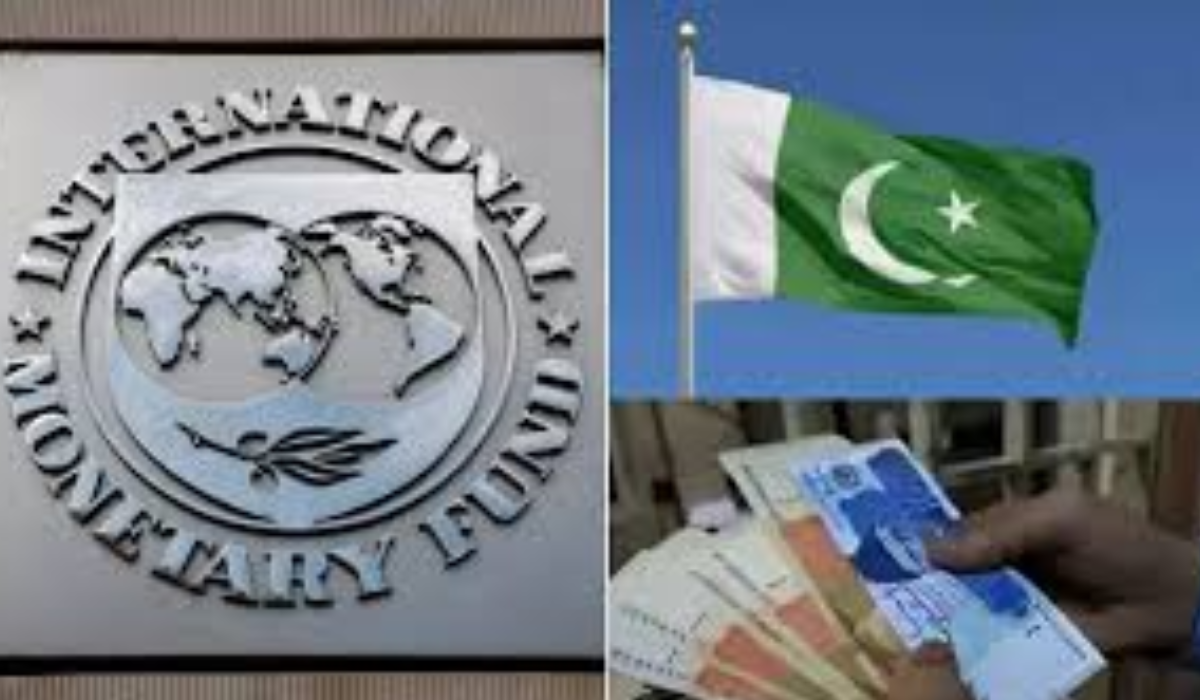
Pakistan’s latest IMF programme has helped pull the economy back from the brink, easing inflation, rebuilding foreign exchange reserves and restoring a measure of financial stability. Yet the country’s repeated return to the lender highlights a deeper concern: despite successive bailouts over the decades, Pakistan has failed to address the structural weaknesses that keep it trapped in a cycle of recurring economic crises. As policymakers celebrate short-term gains, questions remain over whether the latest reforms will finally help the country break its long-standing dependence on IMF support. The International Monetary Fund has become a familiar source of financial assistance for Pakistan. Over the years, the country has repeatedly sought IMF support whenever foreign exchange reserves dwindled, external debt obligations mounted and balance-of-payments pressures intensified. While each programme has provided temporary relief, critics argue that Pakistan has struggled to implement the deep structural reforms needed to avoid returning to the lender. The current IMF-supported programme has delivered notable improvements in key economic indicators. IMF disbursements, support from friendly countries, stronger remittance inflows and tighter import controls have all contributed to the improvement. The recovery has helped stabilise the Pakistani rupee and ease concerns over an immediate external financing crunch. Inflation has also moderated sharply. After reaching record highs in 2023, headline inflation has gradually returned to single-digit levels, according to data from the Pakistan Bureau of Statistics (PBS). The decline has been supported by tight monetary policy, fiscal discipline and favourable base effects
US President Donald Trump says Vladimir Putin may be more willing than Volodymyr Zelenskyy to reach a peace...
A magnitude 6.1 earthquake struck Panama early Tuesday at a depth of 10 kilometres. The tremor followed a...

US President Donald Trump has indicated the possibility of meeting North Korean leader Kim Jong Un during his...
Donald Trump has denied involvement in the federal investigation involving Congresswoman Ilhan Omar after agents searched her Washington...
Yemen's Houthis have claimed a new missile strike on Riyadh airport, while Iran has offered to facilitate dialogue...

As the United States and China intensify their competition for leadership in artificial intelligence (AI), a new study...
Aries: The day will be auspicious...