Last Updated: October 30, 2026
Last Updated: October 30, 2026





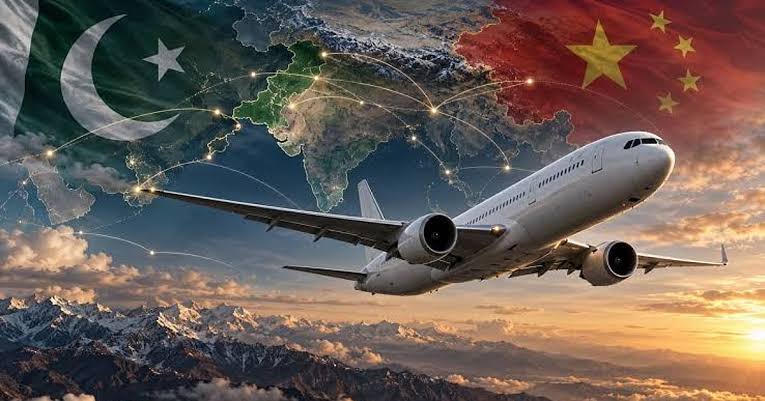
Pakistan’s abrupt decision to bar Taiwanese commercial airlines from using its airspace, followed by an equally swift U-turn, has exposed the tight diplomatic rope that Islamabad treads to keep open all possible sources of support for the crumbling administration and its economy, and the frequent slips while doing that. While engaging desperately in parleys to solve the vexed issue of being pitted against neighbour Iran with its strategic defence pact with Saudi Arabia and Turkey, Pakistan is on the edge between “all-weather” partner China and the United States, who Islamabad needs to urge upon financial institutions for monetary support. The reported “flyover turn-around” reflects Islamabad’s late recognition of the realities of international relations, commerce, and global perceptions. What initially appeared to be an abrupt demonstration of support for Beijing’s “One China” policy has raised questions about whether Pakistan is caught in an unwinnable geopolitical dilemma or whether competing power centres within the Shehbaz Sharif government sent contradictory signals. Pakistan, as a quasi-vassal state of the People’s Republic of China, will never back Taiwan or support Taiwan’s cause. Rather, they will forever support Communist China. Multiple reports support Pal’s observation, noting that Taiwan’s two major airlines stopped using Pakistani airspace, apparently from Sunday (October 25) onwards, with several Europe-bound flights rerouted through Russian airspace or alternative corridors. The diversions increased flight times and fuel costs while disrupting established Asia-Europe routes. Observers see a possible goof-up by Islamabad while reaffirming the “One China” principle. But before the diplomatic dust could settle, Pakistan’s Civil Aviation Authority reportedly issued permissions allowing China Airlines and EVA Air to use Pakistani airspace from Wednesday (October 28) for the time. Pakistan and China maintain what both governments frequently describe as an “all-weather strategic cooperative partnership” where Beijing remains Islamabad’s largest creditor, a leading arms supplier, and the principal investor behind the China-Pakistan Economic Corridor (CPEC). From that perspective, restricting Taiwanese carriers may have seemed a logical extension of Pakistan’s diplomatic position. But the move immediately highlighted several contradictions, as some reports noted that Beijing itself allows Taiwanese commercial airlines to transit China’s airspace, and Islamabad’s policy could thus have generated international attention while delivering little tangible benefit to either Pakistan or China. Another factor being raised is the economic and operational consequences of Pakistan being part of a strategic position linking East Asia with Europe and the Middle East. A precedent of politically motivated airspace restrictions would raise concerns among international airlines about predictability and neutrality. The rapid restoration of access suggests authorities may have concluded that the reputational costs outweighed the symbolic diplomatic gains. International watchers also point to the Washington factor, where Pakistan Army chief Asim Munir has of late moved closer to the White House, as has Prime Minister Shehbaz Sharif after renominating President Donald Trump for the Nobel Peace Prize. Meanwhile, the United States maintains extensive unofficial relations with Taiwan and remains its most important international security partner. Washington provides Taipei with military equipment, defence support, and strategic backing under the Taiwan Relations Act, while repeatedly stressing the importance of peace and stability across the Taiwan Strait.
Hong Kong was once celebrated as Asia’s ultimate success story is now enduring economic and social hardship due...
Bangkok: India and Thailand on Thursday held discussions on further strengthening ties in various sectors, including trade, commerce...
Kabul: At least two people were killed and 10 others sustained injuries in two separate road accidents in...
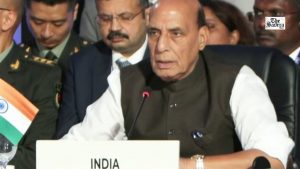
Defence Minister Rajnath Singh told the ADMM-Plus meeting in Cebu that India's counter-terrorism strategies have been tested through...
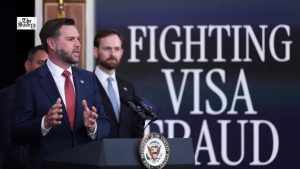
US Vice President JD Vance has warned companies against replacing American workers with lower-paid foreign employees. Speaking in...
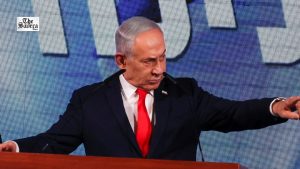
Benjamin Netanyahu’s Likud party has alleged electoral misconduct after Arab-led parties made gains in a closely contested Israeli...
Aries: The day will be auspicious...