Last Updated: October 12, 2026
Last Updated: October 12, 2026





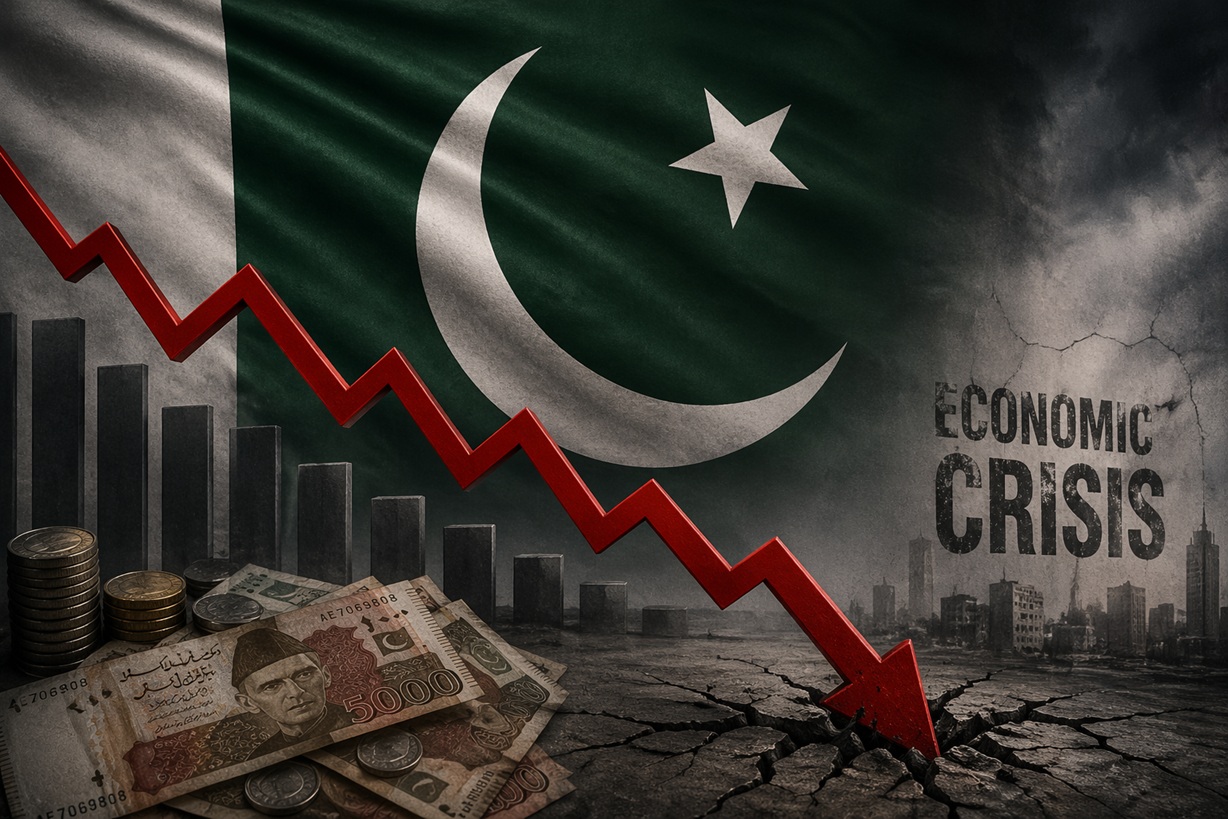
Growing concerns are being raised in Pakistan over continued increases in fuel, electricity and gas prices, with limited public resistance highlighting the economic pressure facing households and the challenges of political mobilisation.
Repeated increases in petroleum product prices and utility tariffs have added to the cost of living for households already dealing with inflation and weak purchasing power. World Bank estimates show that poverty remains a significant concern: under its updated $4.20-a-day international poverty line for lower-middle-income economies, about 45% of Pakistan’s population was estimated to be living below the line in FY2025. �
World Bank +1
Fuel-price increases can have wider effects by raising transportation and production costs, which can feed into the prices of food and other essential commodities.
Despite the economic pressure, large-scale public protests over price increases have remained limited. Analysts have pointed to political fragmentation, weak opposition mobilisation, the absence of unified leadership and declining public confidence in influencing policymaking as possible factors behind the limited response.
The situation has also prompted comparisons with earlier periods in Pakistan’s history when increases in the prices of essential goods triggered larger public movements. The debate has increasingly focused on the country’s large youth population and its potential role in political and social mobilisation. However, economic uncertainty, social divisions and the absence of cohesive leadership have been cited as factors limiting organised action.
Meanwhile, Pakistan has announced a new round of austerity measures as rising petrol and diesel prices add to pressure on government finances amid disruptions to Gulf energy supplies linked to the ongoing West Asian conflict. �
Reuters +1
The measures include reducing fuel allocations for official vehicles, banning state purchases of new vehicles, restricting foreign visits by officials and limiting official dinners. The government has also restricted purchases of durable goods by state bodies, with exceptions including IT equipment, and directed departments to make greater use of teleconferencing.
Pakistan had earlier introduced measures to conserve fuel and energy, including reductions in government fuel consumption and efforts to encourage remote working.
The government has also introduced a fuel subsidy aimed at motorcycle, rickshaw and small-car owners to reduce the impact of higher fuel prices. However, Reuters reported that registration difficulties and limited coverage have contributed to public frustration. �
Reuters
Pakistan’s latest measures come as the country faces continued economic and energy pressures. The World Bank has noted that Pakistan’s economic progress remains vulnerable to macroeconomic shocks, while poverty reduction has been constrained by weak growth and labour-market challenges.
The Pakistan security establishment has issued an urgent directive recalling retired army personnel for re-enlistment to combat severe...
Islamabad: A child was killed and four other people injured as rains continue to wreak havoc in Mardan...
Drug menace in Punjab is not only Punjab’s problem, it is a national problem. Punjab shares 553 kms...
The current phase of the conflict in Pakistan’s Balochistan province resurfaced in the early 21st century, driven by...
Patna: Four minor girls drowned while bathing in a pond in Bankat village under the Paharpur police station...

Kabul: Pakistan’s actions have imposed a heavy human toll on Afghan civilians, with millions of refugees displaced, tens...
Aries: The day will be auspicious...