Last Updated: September 30, 2026
Last Updated: September 30, 2026





To ensure the smooth functioning of democracy in
Parliamentary elections and elections for state legislative
assemblies take place at their scheduled times. For
instance, elections for the Punjab Legislative Assembly
are slated for the beginning of next year (2027), while the Lok Sabha
elections are scheduled for 2029. The Government of India maintains
the view that, in the interest of governance, we must save every single
penny. To this end, the government has propounded the concept
of ‘One Nation, One Election.’ This subject has been the topic of
extensive debate within Parliament. The argument advanced in favor
of this concept is that if elections for both the Central government
and the state assemblies are held simultaneously, the administrative
machinery will not have to bear the recurring financial burden of
conducting elections repeatedly. Conversely, arguments raised
in opposition questioned how elections at both the Central and
State levels could be conducted simultaneously across the entire
country, given that the administration is unable to even successfully
conduct a single nationwide examination across the nation. Another
objection raised was that politics has now become a haven for
political turncoats—characterized by the ‘Aaya Ram, Gaya Ram’
(come-and-go) culture—where defectors frequently destabilize state
governments, often necessitating the holding of mid-term elections.
If the ‘One Nation, One Election’ system were to be implemented,
where would the scope for conducting such mid-term elections arise?
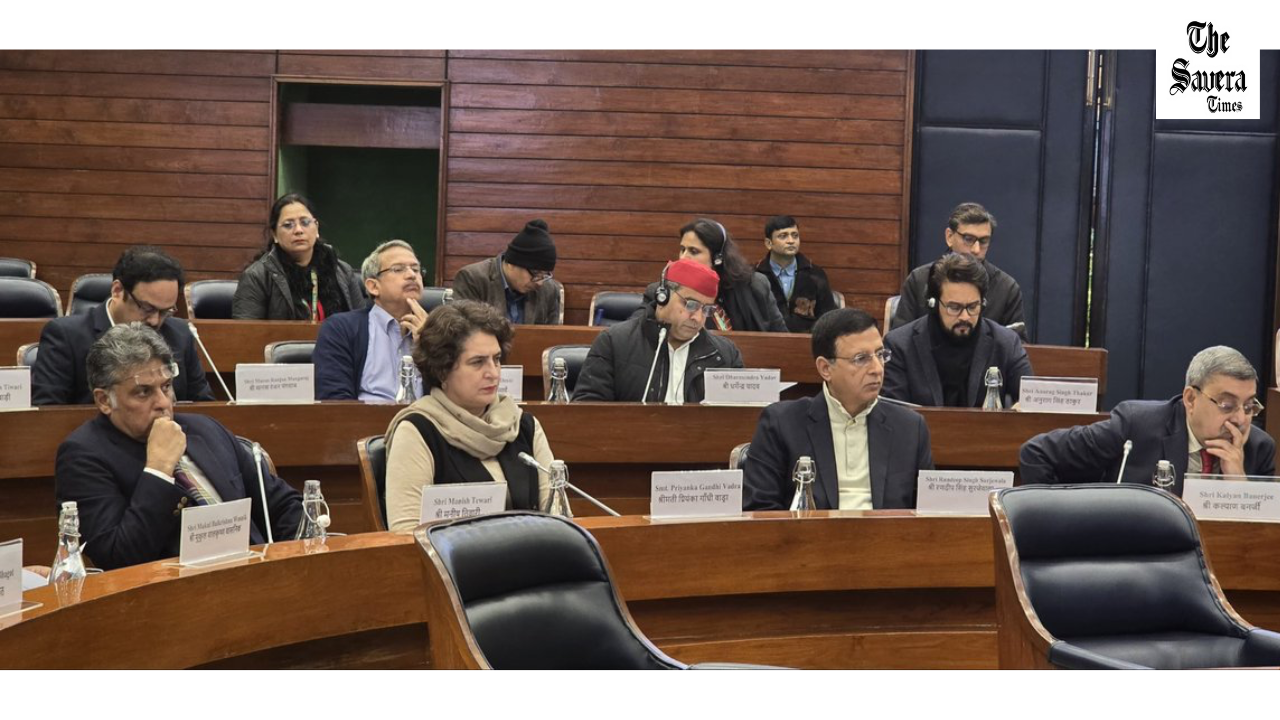
Nevertheless, following these debates, a 41-member parliamentary
committee was constituted, with BJP MP P.P. Chaudhary appointed
as its chairperson.It was stated that if simultaneous elections are
to be conducted, two proposed legislative measures—under the
129th Constitutional Amendment—would need to be introduced:
one applicable to the general states and the other specifically for
the Union Territories. Prime Minister Modi conveyed the message
that the nation would ultimately reap the benefits of these electoral
reforms. Now, in the report submitted by the Chairman of the
Joint Parliamentary Committee, P.P. Chaudhary, it is asserted that
conducting simultaneous elections for the Lok Sabha and the State
Legislative Assemblies would result in a national saving of Rs. 7
lakh crore. Consequently, this saving would lead to a 1.6 percent
increase in the country’s GDP. The funds thus saved could be utilized
for infrastructure development, welfare initiatives for the poor,
education, healthcare services, and other developmental projects.
Chief Ministers of various states are meeting with this committee to
present their respective viewpoints. The most recent meeting was
held with Gujarat Chief Minister Bhupendra Patel and Deputy Chief
Minister Harsh Sanghavi, both of whom expressed their support for
the concept. Subsequently, P.P. Chaudhary briefed journalists on the
key issues discussed during the meeting, noting that certain aspects—
which had not been previously considered—are now coming to light.
A significant point of discussion is how the funds saved through this
process can be effectively utilized for developmental activities; a
comprehensive report is being prepared to address this. He further
stated that the frequent conduct of general and assembly elections
inevitably impacts grassroots-level development. As the committee
continues to meet with Chief Ministers, it is steadily drawing closer
to reaching a final decision. The frequent recurrence of elections
necessitates that ministers and officials engage directly with the
public, a process that inevitably disrupts routine government
work. The committee has also consulted with six former Chief
Justices regarding this matter. They clarified that such elections do
not infringe upon the federal structure, the basic structure of the
Constitution, or fundamental rights, and that the “One Nation, One
Election” framework poses no constitutional impediment. In light
of these preliminary interpretations, it is becoming evident that the
committee is moving closer to a final determination regarding the
“One Nation, One Election” proposal. Regardless of the ultimate
verdict, one fact remains indisputable: the implementation of the
“One Nation, One Election” process has the potential to save the
country a substantial amount of public funds.
Pakistan-based LeT terrorist Mohammad Asif alias Hashim Moosa, wanted in the Pahalgam terror attack case, was killed in...

The Supreme Court has ruled out both a complete firecracker ban and unrestricted 24-hour use, indicating that permissible...
The Centre has approved higher MSP for all mandated Rabi crops for the 2027-28 marketing season, with safflower...
Traders’ organisations have withdrawn the October 2 “No UPI Day” protest after meeting Finance Minister Nirmala Sitharaman over...

Ahmedabad: A Nigerian national allegedly acted as a link between a Gujarat-based wanted accused and a wider drug...
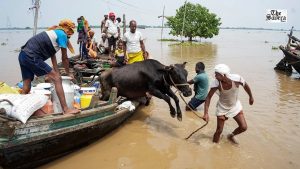
Flood victims in West Champaran protested against local MPs and MLAs during Samrat Choudhary’s visit as the Gandak...
Aries: The day will be auspicious...