Last Updated: October 21, 2026
Last Updated: October 21, 2026





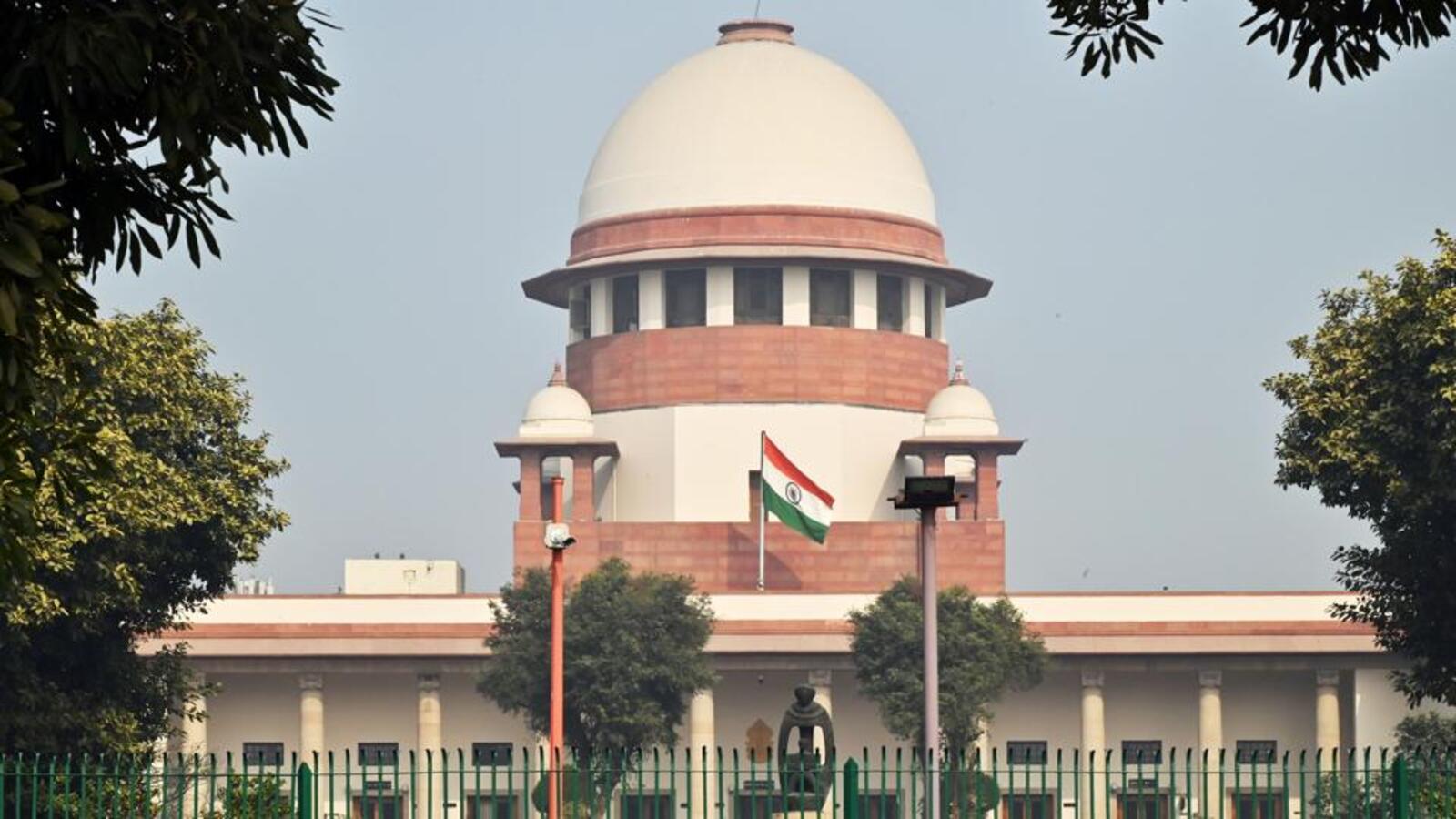
Abhishek Vij
On Thursday, the Supreme Court expressed deep sorrow and shock that the delay in delivering justice in acid attack cases on women and children in the country’s higher courts has been years in the making. Such inhuman acts are more serious than murder, as the perpetrators of acid attacks or acid inflicting pain on their victims. Such horrific cases are held up in court, day after day, and justice remains pending for years longer than the burning. The Supreme Court termed it a national shame that such cases have been pending in the High Courts for 16 years. A meeting between Chief Justice Sarkar Kant and Justice Nagimalya Bagchi called for the establishment of special courts to expedite the resolution of acid attack cases.
The bench was presented with a new phase of the acid attack case, ongoing in Delhi’s Rohini Court since 2009. According to the National Crime Records Bureau, 844 acid attack cases remain pending in various states as of 2023, with around 1,000 victims currently seeking justice. Reported acid attack cases per year include: 340 (2019), 182 (2020), 176 (2021), 202 (2022), and 207 (2023). A report by Florida International University notes that 250–300 cases are reported annually in India. Many victims do not file complaints, making the actual figure higher. These numbers are alarming.
To address these challenges, it is essential that special courts for acid attack cases are swiftly established and that judicial authorities prioritise daily hearings to provide justice without delay. Lawmakers must act decisively to amend relevant laws, ensure victims’ access to welfare schemes, and hold accountable those complicit in systemic delays. Without a collective and urgent commitment from all stakeholders—judges, prosecutors, and legislators alike—the current injustice will persist, and the judiciary’s credibility will continue to erode.
Good Evening Viewers! Get the latest updates from India and around the world with The Savera Times Evening...

Bharatiya Janata Party (BJP) National General Secretary Smriti Zubin Irani launched a scathing attack on Congress MP and...
New Delhi: Cockroach Janata Party (CJP) leaders Saurav Das and Ashutosh Ranka will be released from judicial custody...
According to police, three suspicious young men are seen in CCTV footage. Efforts are underway to identify them....
A video has surfaced of an alleged attempted assault on Jan Suraj Party's Bihar president Manoj Bharti. The...
Two accused have been convicted and sentenced to 10 years of rigorous imprisonment in a 2017 drug trafficking...
Aries: The day will be auspicious...