Last Updated: October 12, 2026
Last Updated: October 12, 2026





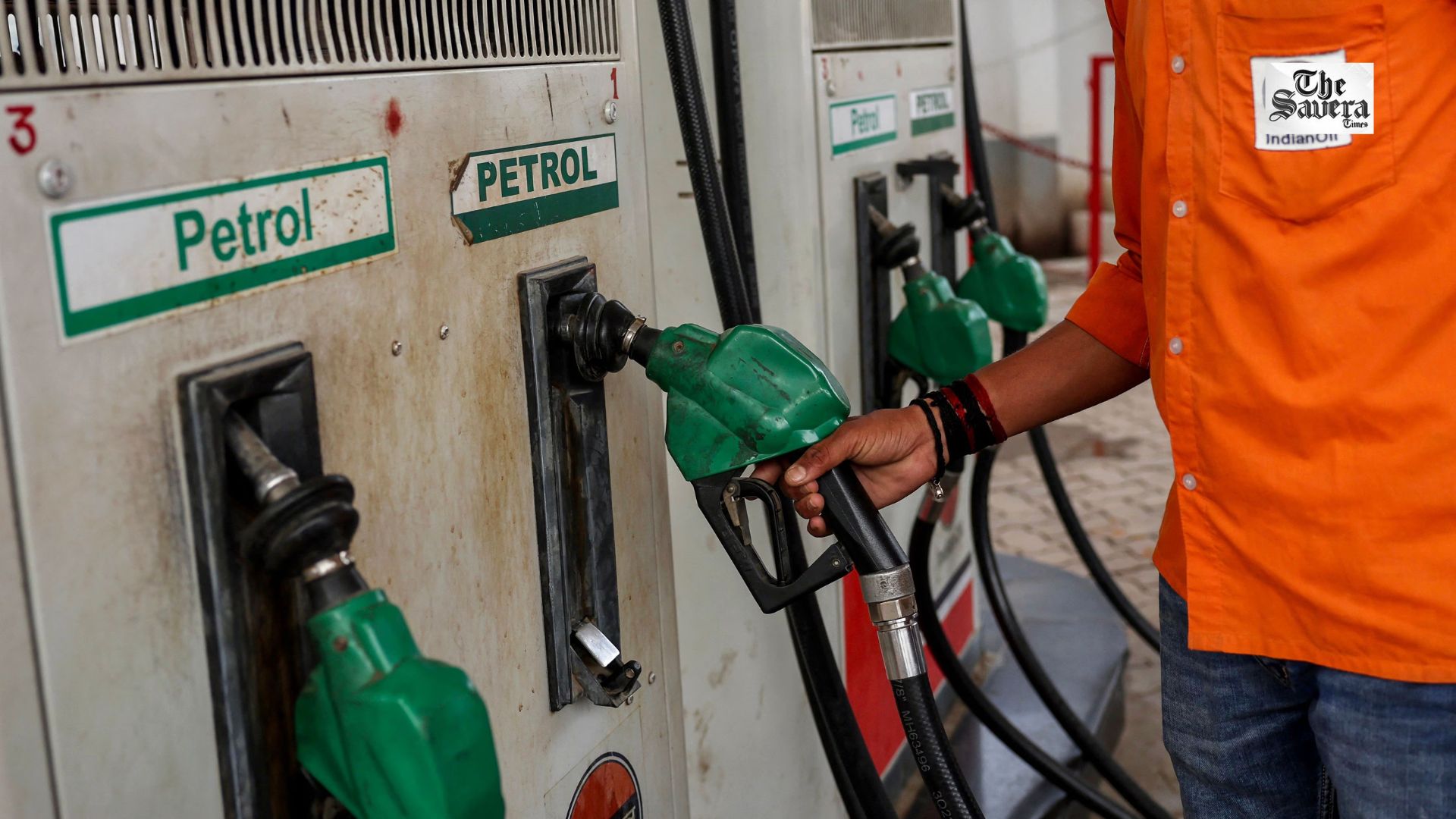
New Delhi: Petrol and diesel prices have increased across India after oil marketing companies announced a fresh hike of around ₹3 per litre amid rising global crude oil prices and escalating tensions in West Asia.
The revised rates came into effect immediately on Friday and impacted major cities including Delhi, Mumbai, Kolkata, Chennai, Chandigarh, Jalandhar, Pathankot, Jaipur, Lucknow, and Bengaluru.
Along with petrol and diesel, compressed natural gas (CNG) prices have also been increased by around ₹2 per kilogram in several cities.
In Delhi, the new CNG rate now stands at ₹79.09 per kilogram after the latest revision.
Revised Fuel Prices in Major Cities:
Updated Fuel Prices After Latest Hike
Fuel prices vary slightly between states because of local taxes, transportation charges, and dealer commissions.
Why Petrol, Diesel and CNG Prices Increased
The latest hike has been linked to the sharp rise in global crude oil prices following growing geopolitical tensions in the Middle East, especially concerns over possible supply disruptions through the Strait of Hormuz.
India imports a major share of its crude oil requirements, making domestic fuel prices highly sensitive to international market fluctuations.
Officials said oil marketing companies have been facing mounting losses because fuel prices were kept relatively stable despite the rise in crude oil costs.
Apart from crude oil prices, the increase in transportation costs and the rising cost of fuel additives and natural gas imports also contributed to the latest CNG price revision.
Fuel Hike Comes After PM Modi’s Fuel-Saving Appeal
The increase in fuel prices comes shortly after Prime Minister Narendra Modi urged citizens to reduce fuel consumption and adopt energy-saving practices.
He had appealed to people to avoid unnecessary travel, use public transport where possible, and conserve fuel in view of rising global energy costs and pressure on India’s import bill.
The appeal had already triggered speculation about a possible fuel price hike, which has now materialised amid worsening global oil market conditions.
Consumers Likely to Feel Inflation Impact
The increase in petrol, diesel, and CNG prices is expected to raise transportation costs, freight charges, and public travel expenses across the country.
Higher diesel prices could affect logistics and agricultural transportation, while the CNG hike may impact auto-rickshaw, taxi, and commercial vehicle operators who depend heavily on gas-based fuel.
Experts believe future fuel price revisions will depend on international crude oil movements and developments in the Middle East conflict.
Oil Companies Facing Heavy Financial Losses
According to government officials, state-run oil marketing companies have been under severe financial strain because retail fuel prices had remained unchanged despite a sharp rise in global crude oil prices.
Officials stated that the combined under-recovery on petrol, diesel, and LPG has reportedly reached nearly ₹30,000 crore every month.
A senior Petroleum Ministry official said oil companies are purchasing crude oil at significantly higher international prices but are unable to fully pass on the burden to consumers, affecting their financial stability.
The Centre had earlier reduced excise duties on petrol and diesel, resulting in a revenue sacrifice of nearly ₹14,000 crore per month. Despite that, losses for fuel retailers have continued to widen.
Crude Oil Prices Cross $100 Per Barrel
The latest fuel price hike comes amid growing geopolitical tensions in the Middle East, especially concerns surrounding possible supply disruptions linked to the US-Iran conflict.
Global crude oil prices have crossed the $100 per barrel mark, creating pressure on fuel-importing countries like India. Analysts warn that if crude prices remain elevated for a prolonged period, inflationary pressure could intensify further.
India imports a major share of its crude oil requirements, making domestic fuel prices highly sensitive to international market movements and geopolitical instability.
Petroleum Minister Warns of Massive Losses
Petroleum Minister Hardeep Singh Puri recently warned that state-run oil companies could see their entire FY26 profits wiped out if current crude oil trends continue.
Speaking during an industry summit earlier this week, the minister said oil marketing companies are currently losing nearly ₹1,000 crore every day because of the mismatch between rising crude oil costs and controlled retail fuel prices.
He also indicated that combined quarterly losses for public sector fuel retailers could touch nearly ₹1 lakh crore if global oil prices remain elevated.
Industry estimates suggest that major public sector fuel retailers Indian Oil Corporation, Bharat Petroleum, and Hindustan Petroleum could collectively report losses of around ₹1.2 lakh crore in the first quarter of FY27 if the crisis deepens further.
Amidst heavy security and barricades by the Delhi Police, INDIA Bloc leaders began a protest march towards the...

The Reserve Bank of India (RBI)'s new measures to curb speculation in the rupee and maintain stability in...

Gold exchange-traded funds (ETFs) witnessed a sharp rise in investor interest in September, with net inflows surging 71.4...

Rahul Gandhi accused the Modi government of protecting Chief Election Commissioner Gyanesh Kumar, criticised security restrictions in Delhi...

Chief Justice Surya Kant said every citizen can approach the Supreme Court through a petition after declining a...

A major fire broke out at a scrap warehouse opposite the Maruti Temple in Sangameshwar, Maharashtra, around midnight....

Aries: The day will be auspicious...