Last Updated: October 4, 2026
Last Updated: October 4, 2026





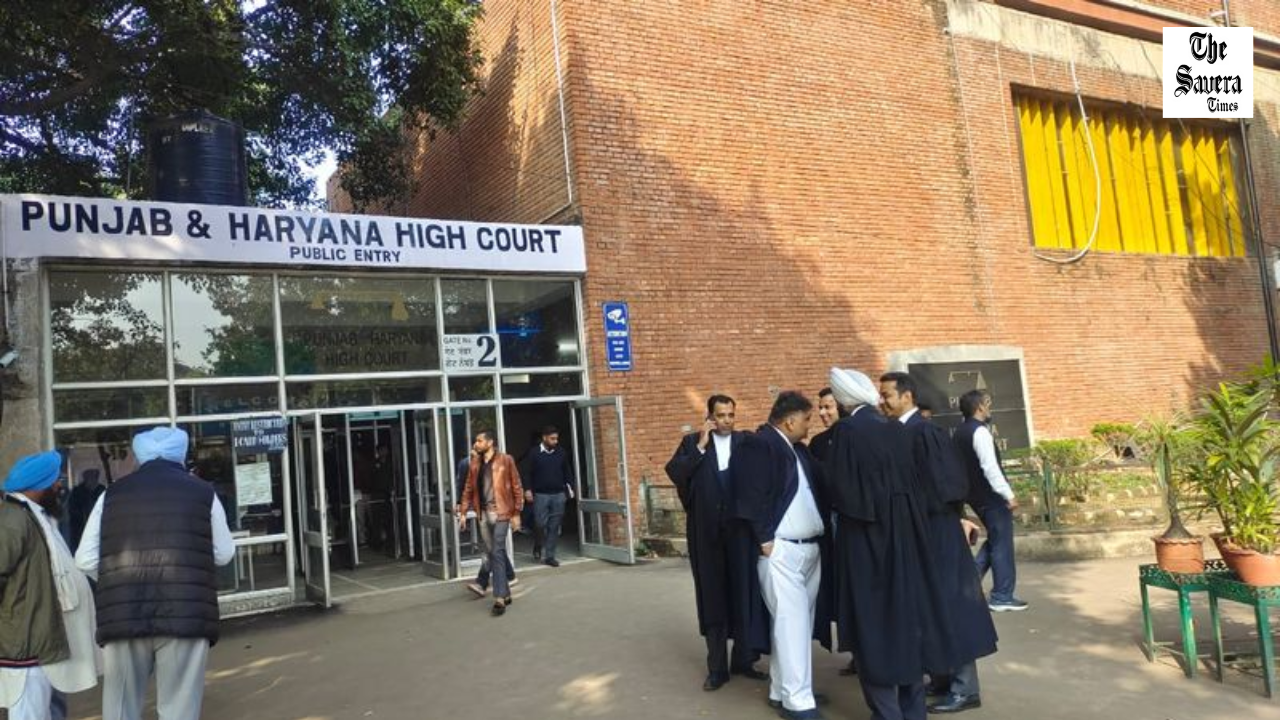
A Public Interest Litigation (PIL) has been filed in the Punjab and Haryana High Court seeking a court directive to declare the Khadoor Sahib Assembly seat vacant after the conviction of its sitting MLA. The petition challenges the failure to formally vacate the seat following the criminal conviction and imprisonment of the legislator, calling for enforcement of constitutional and statutory provisions governing disqualification of elected representatives.
The controversy centres around Manjinder Singh Lalpura, the Aam Aadmi Party (AAP) legislator elected from the Khadoor Sahib constituency in the 2022 Punjab Assembly elections, who was convicted in connection with a 12-year-old molestation and assault case by a Tarn Taran district court in September 2025. The court handed him a four-year jail sentence, which under law triggers automatic disqualification.
Lalpura’s conviction stemmed from an incident in September 2013, when he and others were found guilty of molesting and assaulting a woman during a wedding ceremony. The case involved serious charges under sections of the Indian Penal Code and the SC/ST Act, and the district court’s ruling followed years of legal proceedings and societal pressure for justice.
Under the Representation of the People Act, 1951, as interpreted by the Supreme Court in landmark judgments, any legislator convicted and sentenced to a term of two years or more is disqualified from holding office from the date of conviction, and the respective seat is deemed vacant automatically — without the need for a separate order or notification by the House Speaker. Legal experts note that this automatic disqualification is meant to uphold the integrity of legislative bodies and ensure that lawbreakers do not remain lawmakers.
Despite Lalpura’s conviction and the High Court upholding his sentence in subsequent hearings, the Punjab Vidhan Sabha Speaker has not yet issued a notification officially declaring the Khadoor Sahib seat vacant. This has prompted political parties and rights advocates to question the delay, with some accusing the Speaker’s office of failing to implement constitutional mandates potentially to maintain numerical strength in the Assembly.
The recent PIL filed in the High Court argues that the Speaker’s inaction amounts to a constitutional lapse and seeks urgent judicial direction to treat the Khadoor Sahib seat as vacant with immediate effect. The petition asks the court to compel the Speaker to issue the necessary notification and pave the way for by-elections.
Opposition parties, including the Indian National Congress and the Shiromani Akali Dal, have seized on the issue to criticise the ruling AAP government in Punjab, claiming that the failure to address the seat vacancy reflects political expediency rather than constitutional duty. Critics say that declaring the seat vacant would uphold democratic principles and enhance public trust in governance.
Supporters of the PIL argue that a transparent and legally compliant process is necessary not just for the Khadoor Sahib constituency but as a precedent for enforcing accountability of elected representatives across the state and country. They contend that when a legislator is convicted of a serious crime, representation of the constituency cannot be held in abeyance indefinitely.
Legal analysts say that the High Court will need to balance constitutional provisions, statutory law and procedural norms in deciding the PIL. A ruling in favour of the petition would reinforce the principle that disqualification under the Representation of the People Act is automatic upon conviction and that the Speaker’s role is administrative rather than discretionary once conviction becomes final.
The case has wider implications for governance and electoral law in India, especially in clarifying the obligations of legislative institutions and offices when elected representatives are convicted of serious offences. A decision by the High Court on this PIL could shape future precedents regarding legislative disqualifications and timely declaration of vacancies.
Influencer Mad Sandhu was shot dead in Amritsar on Saturday evening after two motorcycle-borne assailants allegedly opened fire...

AAP reportedly suspends Maur MLA Sukhveer Singh Maiserkhana after he raised concerns over teacher shortages and Punjab's government...
Rajya Sabha MP Vikramjit Singh Sahney announces a ₹25 lakh bravery award for Captain Smit Machchhar and seeks...

Punjab CM Bhagwant Mann announces 10,000 new police recruitments on merit and directs police to take strict action...
Punjab Finance Minister Harpal Singh Cheema questioned Congress chief Pargat Singh over his record on drugs, sacrilege and...
KHANDOOR SAHIB: The joy on the faces of Punjab’s women as ‘Tunn-Tunn’ messages confirmed the direct transfer of...
Aries: The day will be auspicious...