Last Updated: October 11, 2026
Last Updated: October 11, 2026





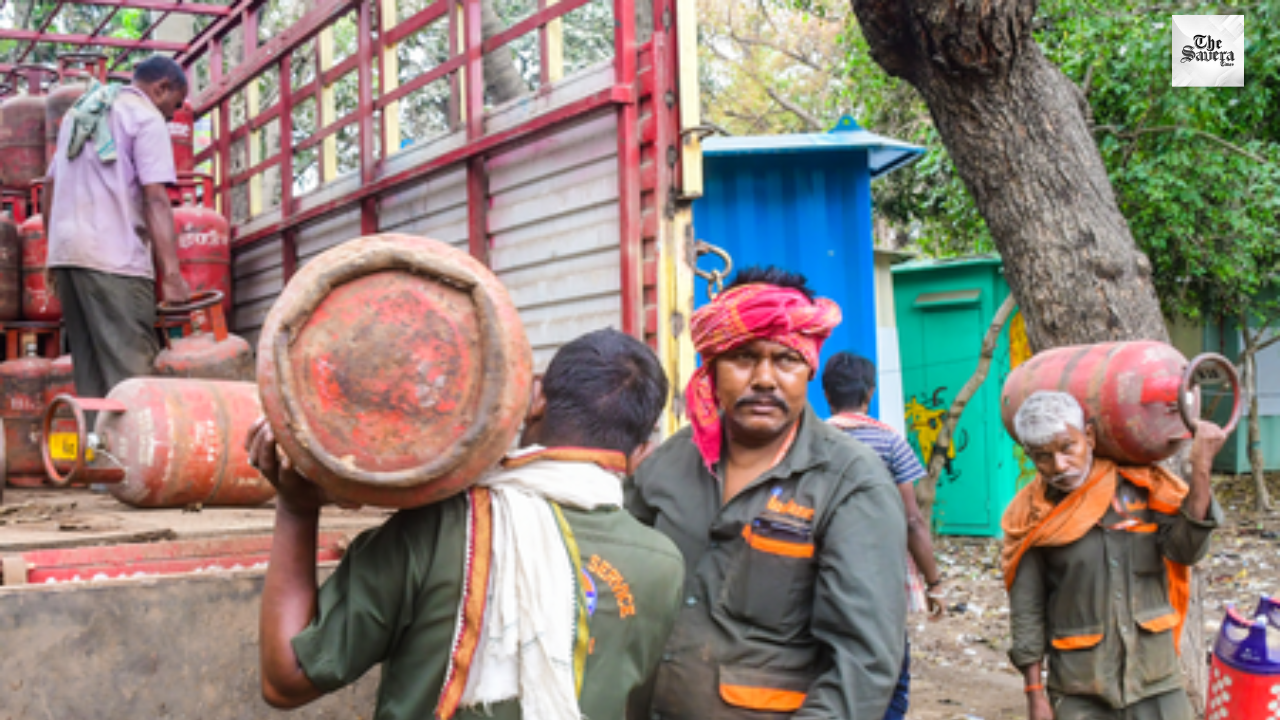
Prime Minister Narendra Modi is set to take stock of India’s oil and gas supply situation amid escalating tensions in the Middle East. The review comes as regional conflicts have raised concerns about global energy prices and supply stability.
Officials in New Delhi confirmed that the Prime Minister will meet senior officials from the Ministry of Petroleum and Natural Gas, key public sector undertakings, and strategic energy stakeholders to evaluate current reserves, imports, and contingency measures.
The recent escalation of hostilities in key Middle Eastern countries has disrupted crude supply routes, prompting nations like India to reassess energy security strategies. Analysts note that any prolonged instability could impact crude prices and supply chains, affecting both industrial and domestic consumers.
India imports nearly 80% of its crude oil, making energy supply vulnerable to global geopolitical developments. The Prime Minister’s review is aimed at ensuring uninterrupted supply and exploring alternative sourcing options if necessary.
During the high-level meeting, officials are expected to present updates on the following:
Government sources indicated that the review will also consider measures to stabilise the domestic energy market and protect consumers from sudden price fluctuations.
India maintains strategic petroleum reserves in key locations such as Vishakhapatnam, Mangalore, and Padur. These reserves are intended to provide a buffer in case of supply shocks caused by geopolitical tensions or natural disasters.
Officials expect Modi to assess the adequacy of these reserves and consider whether additional stockpiling or emergency measures are necessary to mitigate the impact of prolonged Middle East instability.
Public and private sector oil companies, including Indian Oil Corporation, Bharat Petroleum Corporation Limited, and Reliance Industries, are expected to present their operational updates and contingency strategies.
The discussion may also cover pipeline management, LNG imports, and storage solutions to ensure that India’s energy demands are met even if global supply chains are disrupted.
Rising crude prices due to Middle East tensions could have a direct impact on domestic fuel costs, transport, and inflation. The government aims to preemptively manage these risks to safeguard the economy and maintain stability in fuel pricing.
Experts suggest that a proactive approach will help India maintain energy security and provide reassurance to markets and consumers during uncertain global conditions.
The Prime Minister has previously taken a hands-on approach in energy management during global crises, coordinating with ministries and industry stakeholders to ensure stability. His upcoming review underscores the importance of strategic planning and proactive governance in navigating complex international scenarios.
Jaipur: The Anti-Narcotics Task Force (ANTF) of Rajasthan Police has arrested wanted drug smuggler Sohanlal, alias Sonu, carrying...

Imagine a foreign national standing among Indian citizens at a political protest, raising questions about the government or...

Aizawl: The Assam Rifles, in coordination with other law enforcement agencies, seized methamphetamine tablets and foreign-made cigarettes worth...
Kolkata: A Returning Officer (RO), acting on behalf of the Election Commission of India (ECI), has lodged a...
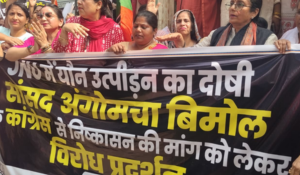
New Delhi: The Delhi BJP Mahila Morcha staged a protest on Saturday to demand the expulsion from Congress...
Sanaa: Saudi warplanes launched fresh airstrikes on Houthi-held areas in northwestern Yemen on Saturday as fighting intensified between...