Last Updated: October 21, 2026
Last Updated: October 21, 2026





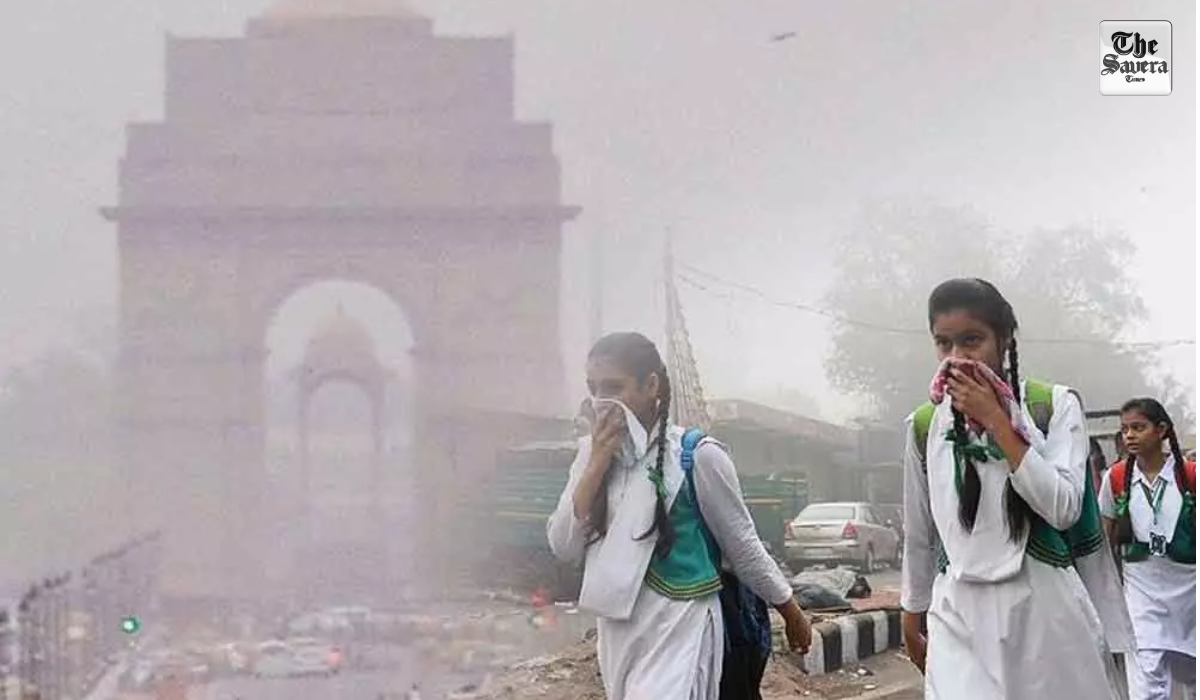
The severity of pollution witnessed in the national capital this time is unprecedented. Punjab Chief Minister Bhagwant Mann has clearly stated that the blame for Delhi’s suffocating pollution is always placed on stubble burning in Punjab. Taking strict notice of this, the Supreme Court has made some crucial observations and suggested necessary measures to assist the Delhi administration. Firstly, the Supreme Court has directed the removal or temporary closure of nine toll plazas in and around Delhi to prevent increased pollution due to traffic congestion and vehicle density. The entry of vehicles older than BS-6 standards has been banned in Delhi. Furthermore, all petrol pumps have been instructed not to refuel vehicles that do not possess a valid pollution control certificate.
Following the Supreme Court’s suggestions, the Delhi government has also ordered that at least 50 percent of employees in private and government offices will work from home, as commuting to and from work contributes significantly to pollution through traffic congestion. It is clear that the Delhi government now wants to take the lead in this comprehensive fight against environmental pollution. The days of simply blaming the Punjab government for stubble burning and repeatedly criticizing Punjab are over. The strictness of the pollution control measures is evident in the fact that, after granting exemptions to certain sectors such as public and private healthcare institutions, transportation, sanitation, and emergency services, pollution control rules have been implemented across all other sectors. An e-challan system is in place, and prompt action will be taken against those violating environmental pollution regulations. This time, violations will not be met with mere warnings, but with penalties. If the government, recognizing its responsibility in this changing weather, strictly enforces the pollution control rules, then we can say, “better late than never.”
Prime Minister Narendra Modi will visit Varanasi and Kedarnath on a two-day visit on October 24 and 25....
Stay updated with the latest national, international, Punjab, political, business, crime, weather, sports and entertainment news with The...

The family of 5-year-old Fabiana Cabello in New York City, USA, is in deep shock after her death....

The Delhi High Court on Wednesday posed several questions to Cockroach Janata Party (CJP) leaders Sourav Das and...
Cockroach Janata Party (CJP) leaders Sourav Das and Ashutosh Ranka withdrew their petition from the Delhi High Court...
A suspicious explosion occurred on Tuesday at a building under construction on Jermiah Road in the Pulikesi Nagar...
Aries: The day will be auspicious...