Last Updated: November 26, 2026
Last Updated: November 26, 2026




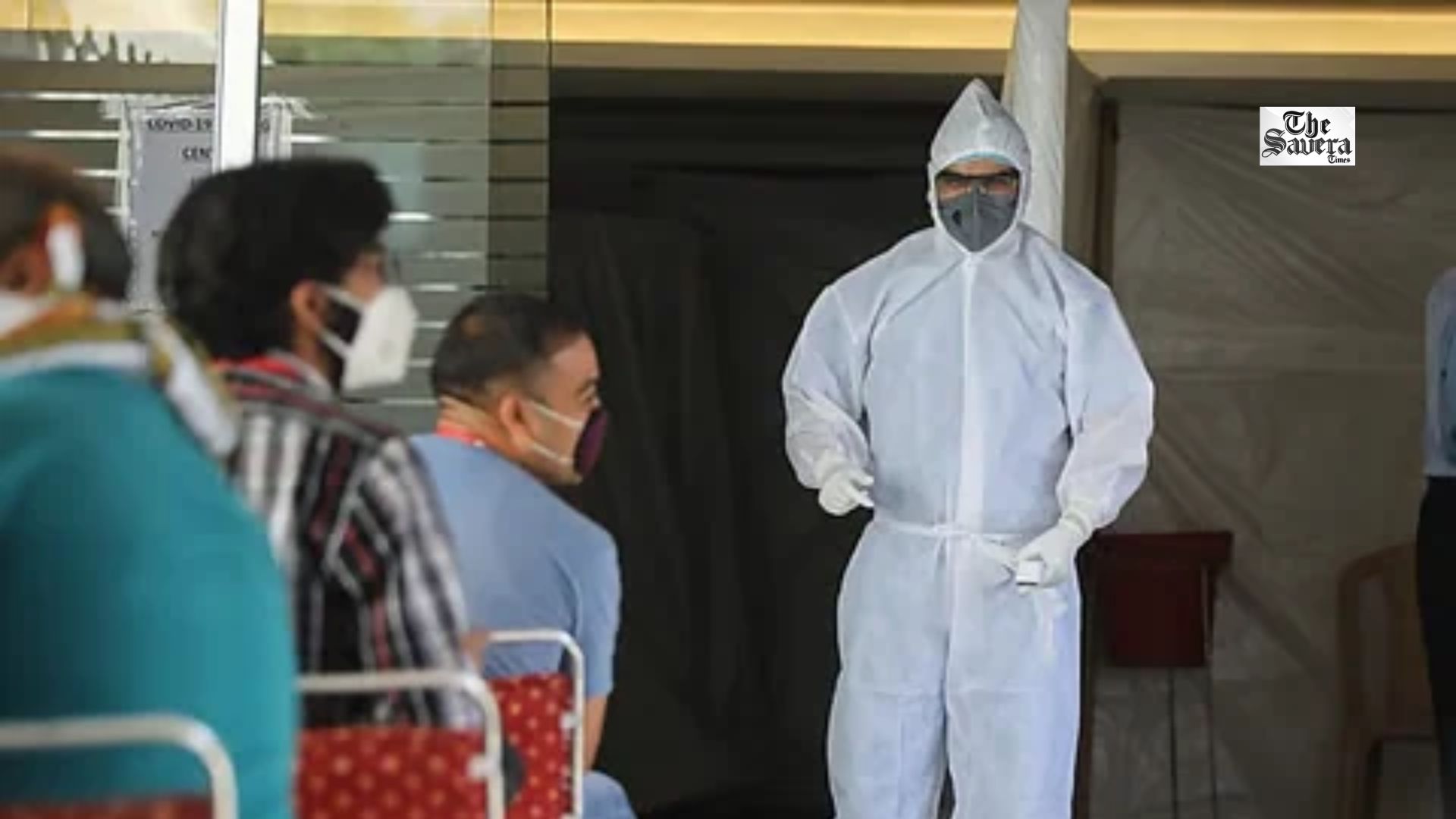
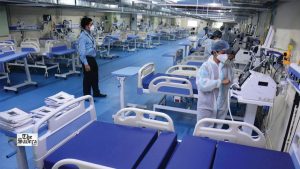
As World Mental Health Day is marked on October 10, post-COVID mental health challenges continue to surface in clinics and communities across India. Community health data shows that people who recovered from COVID-19 faced higher risks of persistent depression, low mood, anxiety, brain fag and poor overall health. Many post-COVID patients report overlapping physical and mental symptoms, including chronic fatigue, muscle pain and emotional distress. The article argues for an integrated, community-based post-viral mental health framework that treats physical and psychological symptoms together. As the world marks World Mental Health Day on October 10, a crisis continues to unfold across India’s cities and villages. For much of the population, the COVID19 pandemic may feel like a chapter that has closed. Lockdowns have lifted, masks have largely disappeared and daily life has resumed its brisk pace. Yet, inside hospital outpatient departments and community health clinics, medical professionals continue to confront a stubborn and worrying reality: the psychological scars of the virus have outlasted the infection itself. For too long, public health systems have treated physical illness and mental health as separate concerns. If a patient recovers from a viral infection, the file is often closed. If they later develop anxiety or depression, it may be treated as a purely emotional or lifestyle issue. But systematic, large-scale community research in India tells a different story — one that calls for a wider framework for postviral public healthcare. Mental health toll outlasted the virus The first warnings appeared during the acute phase of the pandemic. A crosssectional survey mapping the impact of the 2020 lockdowns on more than 3,600 young Indian adults found that nearly 45 per cent were living under intense, debilitating stress. Within this group, 81 per cent reported severe concentration difficulties, along with widespread anxiety, sleep disruption and deep uncertainty about the future. Public health expectations assumed that these numbers would ease once normal life resumed. However, later research showed that the pandemic left a deeper imprint on people’s well-being. To understand the long-term toll, a doorto-door community health surveillance project evaluated more than 34,000 people across socially and economically disadvantaged regions in India. The findings were stark. People who had tested positive for COVID-19 did not only report prolonged physical symptoms such as chronic fatigue and muscle pain. They also showed a strong link between bodily suffering and persistent mental health challenges. Months after clinically clearing the virus, recovered individuals faced a sixfold higher risk of persistent depression, sadness and low mood compared with those who had never been infected. Their risk of experiencing a general, debilitating sense of poor health rose more than seven-fold. Using standardised international qualityof-life frameworks, this large community dataset showed that post-viral complications can create serious difficulties in everyday life. Many recovered individuals were left anxious, depressed and physically limited in their ability to perform basic tasks or return fully to work.
IIT Gandhinagar’s latest assessment shows 47.2% of the country affected by varying degrees of drought, while IIT Bombay...

Stay updated with the latest news from Punjab, India and around the world with The Savera Times Evening...

Kolkata: The Election Commission of India (ECI) on Wednesday issued notices summoning the two rival factions of the...
Mumbai: Taking into account the severe drought situation in the state, the Maharashtra cabinet chaired by Chief Minister...

Mumbai: The Indian economy stood out amidst uneven economic performance globally, with high-frequency indicators of the country’s domestic...
Patna: The Bihar Cabinet, chaired by Chief Minister Samrat Choudhary, on Wednesday approved 34 proposals concerning various departments...
Aries: The day will be auspicious...