Last Updated: October 21, 2026
Last Updated: October 21, 2026





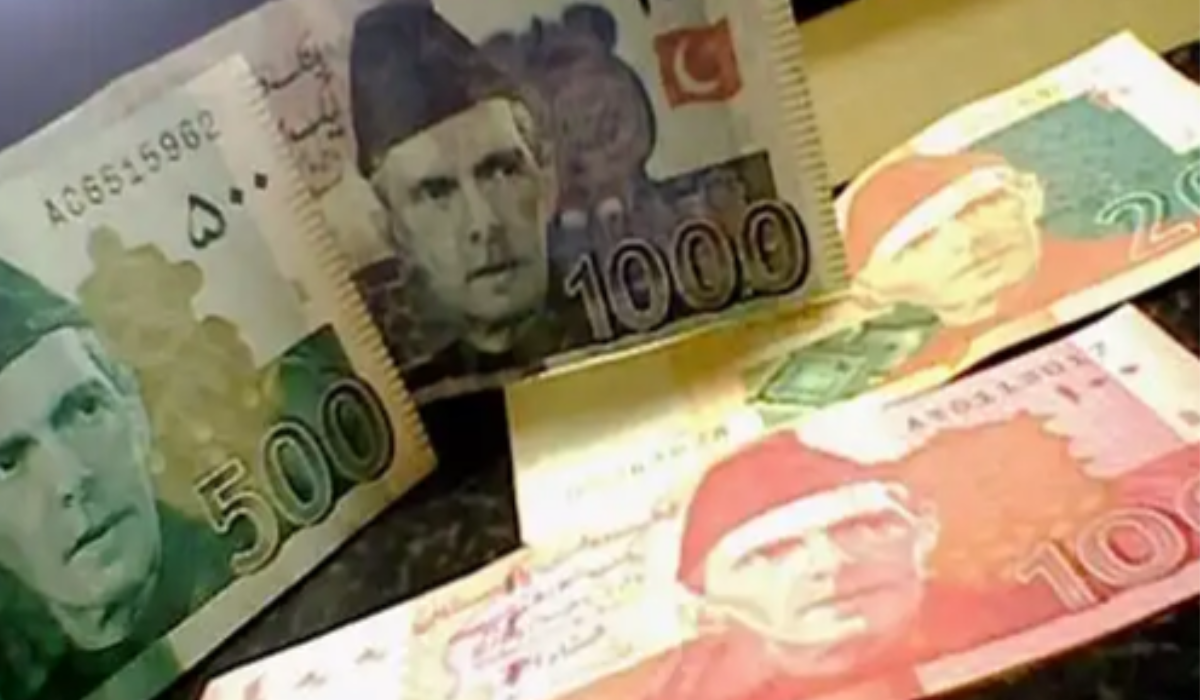
New Delhi: Debt-ridden Pakistan faces the challenge of repaying $3.5 billion to the United Arab Emirates this month, further jeopardizing its economic situation.
Concerns Over Depleting Foreign Exchange Reserves
This payment comes at a time when Pakistan’s foreign exchange reserves have reached a critical low. A senior minister confirmed this in a press briefing, raising concerns about the country’s ability to repay the debt.
Difficulties Increased Due to Non-Receipt of Rollover
The situation has become more serious because the UAE has reportedly refused to rollover this loan.
Until now, Pakistan has been easing payment pressure through such rollovers, but changing geopolitical circumstances, particularly US-Israel-Iran tensions, have influenced the UAE’s stance.
Impact on the Economy and the IMF Program
Economists say that withdrawing funds from reserves to repay debt could further weaken Pakistan’s economic situation. This could impact imports, currency stability, and external account management.
This situation comes at a time when Pakistan is attempting economic reforms under the International Monetary Fund’s program.
Pakistan exploring options
In recent years, Pakistan and the UAE have witnessed both economic cooperation and tensions. In 2018, the UAE provided $2 billion in aid, with additional assistance scheduled for 2023.
With rollover options now limited, Pakistan is considering options such as converting some of its debt into investments, although this is unlikely to provide immediate relief.
Impact of geopolitical tensions
The geopolitical situation is also influencing this crisis. Pakistan’s close ties with Iran have complicated its relations with the Gulf countries.
Pakistan’s economy is already vulnerable to external shocks due to structural weaknesses such as low exports, a high fiscal deficit, and limited revenue.
Protests in Jakarta, Yogyakarta and Bandung brought students onto the streets over rising costs, forest fires and civil...
Organisations linked to Neville Roy Singham are under US congressional scrutiny over funding. Their coverage of protests in...

US President Donald Trump says Washington and New Delhi are close to a trade agreement that will differ...
Iran has ruled out transferring its enriched uranium stockpile outside the country, with security official Mohsen Rezaei reiterating...
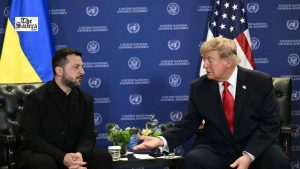
Donald Trump has urged Volodymyr Zelensky to pursue a peace deal with Russia, warning that Ukraine could face...
Pakistan, battling insurgencies at home and tensions along multiple borders, is too overstretched to offer meaningful military support...
Aries: The day will be auspicious...