Last Updated: October 3, 2026
Last Updated: October 3, 2026





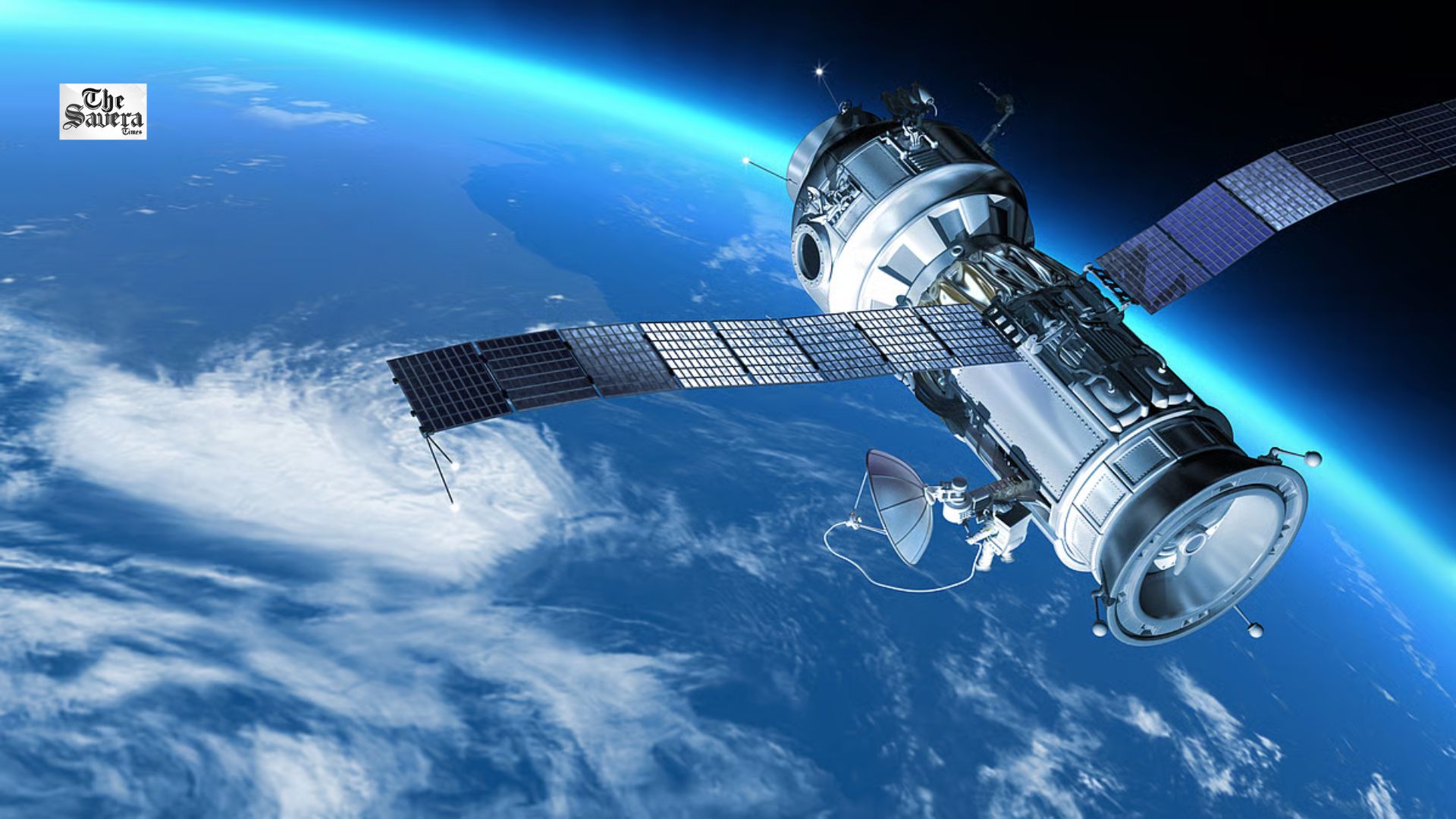
India’s private space sector marked a milestone in July, which Europe is yet to achieve, when Skyroot Aerospace became the first Indian private company to reach orbit with a domestically developed launcher. The achievement is significant despite the vehicle’s relatively modest size compared with launch systems operated by competitors in China, Russia, or the United States. Skyroot Aerospace successfully placed multiple payloads into low Earth orbit with its Vikram 1 rocket. India can offer competition, additional capacity and “a new reference point for the European space industry.” The United States and China no longer remain the only contenders in the commercial space race as “India has now entered it with its own hardware, and Europe has every reason to pay attention. European operators collaborate with India for certain commercial, university or scientific payloads, diversifying an international launch market that remains heavily dependent on the United States. Despite increased launches in 2025 following the introduction of Ariane 6 and Vega C, it remains only a small fraction of a global market overwhelmingly dominated by the United States and China. Further, the European Space Agency faces a potential capacity crunch for strategic programmes such as Galileo and Copernicus between 2029 and 2031 as new requirements could exceed the launch capacity available. Several state backed private launcher projects in Europe have yet to deliver an operational orbital service. India’s space programme was almost entirely dominated by the state for over half a century.
New Delhi: Prime Minister Narendra Modi on Saturday extended birthday greetings to Union Culture and Tourism Minister, Gajendra...
Mumbai: Bollywood actress Kriti Sanon and her younger sister Nupur Sanon shared a glimpse of their functioning side...

Washington: The United States has listed 50 countries whose nationals are subject to visa bonds of up to...

Washington: US President Donald Trump ruled out a ban on American diesel exports after European countries agreed to...

Swachh Bharat Mission (SBM), launched in 2014, has evolved into a broader movement for cleanliness, waste management, and...

Catch the top India and world news in The Savera Times Evening Wrap, featuring the latest developments, major...