Last Updated: October 18, 2026
Last Updated: October 18, 2026





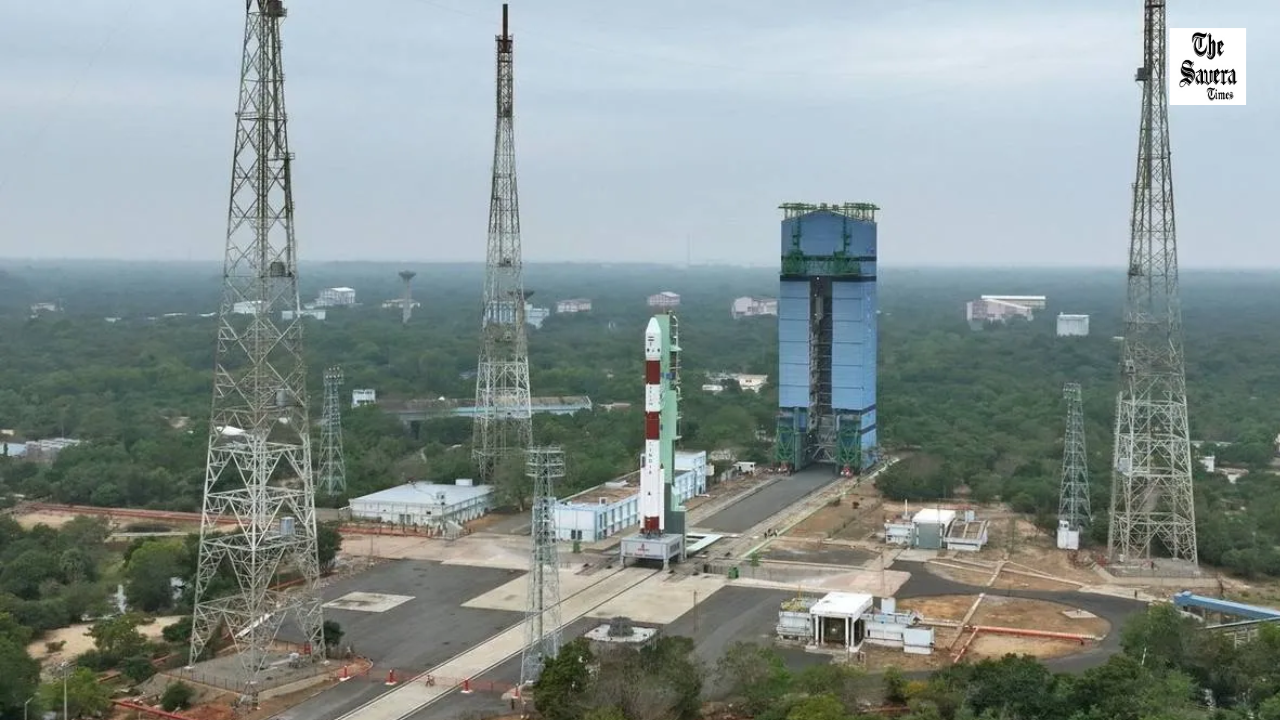
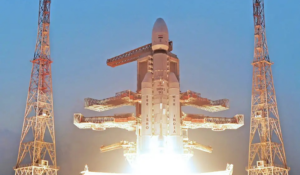
The Indian Space Research Organisation (ISRO) has confirmed that its PSLV‑C62 mission encountered a performance anomaly in the rocket’s third stage shortly after liftoff on January 12, 2026. The anomaly occurred during the solid‑propelled third stage (PS3) of the four‑stage Polar Satellite Launch Vehicle (PSLV), prompting the space agency to initiate a detailed data analysis and investigation into the flight disturbance.
The PSLV‑C62 rocket was launched from the Satish Dhawan Space Centre, Sriharikota, Andhra Pradesh on schedule at 10:18 am IST. The liftoff marked ISRO’s first space mission of 2026, carrying a primary Earth observation satellite — EOS‑N1 (also known as Anvesha) developed by the Defence Research and Development Organisation (DRDO), along with 15 co‑passenger satellites.
According to official statements, the first two stages of the rocket performed nominally, including strap‑on booster separation and ignition of the core stages. However, close to the end of the third stage burn, engineers observed disturbances in the vehicle’s roll rates and a deviation from the intended flight path, triggering concern at Mission Control.
Following the flight anomaly, ISRO took to its official X (formerly Twitter) account to acknowledge the disturbance, stating:
“The PSLV‑C62 mission encountered an anomaly during the end of the PS3 (third stage). A detailed analysis has been initiated.”
ISRO Chairman Dr. V. Narayanan also confirmed that the rocket deviated from its planned trajectory after the third stage, and engineers are now analysing data from the flight to determine the exact cause of the anomaly.
At this stage, ISRO has neither declared the mission a success nor failure, pending the outcome of the ongoing data review. The anomaly mirrors issues seen in other recent flights where upper‑stage performance played a key role in flight outcome. A detailed probe by a specialized committee is expected to follow — standard practice to ensure lessons are learned and corrective action is taken as needed.
Mumbai: Bollywood actor Imran Khan has filed a writ petition in the Bombay High Court seeking a stay...
What if a decision taken in Washington could influence India’s oil bills, export earnings and trade relations with...

Apia: Minister of State (MoS) for External Affairs, Pabitra Margherita, on Saturday interacted with members of the Indian...
At least five workers were killed and six injured after a 15-kilolitre reactor exploded during a hydrogenation process...
New Delhi: Union Minister of State Jitendra Singh has said that India’s space economy — currently valued at...
New Delhi: The Supreme Court-constituted High Powered Enquiry Committee (HPEC) has started inviting complaints and representations from people...
Aries: The day will be auspicious...