Last Updated: October 21, 2026
Last Updated: October 21, 2026





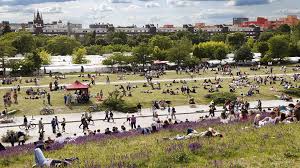
Public spaces are essential to social interaction and democratic life. Parks, streets, markets, libraries, and community centers provide venues where people from diverse backgrounds intersect. These spaces shape how societies communicate, relax, and express collective identity. Historically, public spaces served as centers of civic life. Ancient forums and town squares hosted debates, commerce, and celebrations. They were places where citizens encountered different viewpoints and participated in shared experiences.
Such interactions strengthened social cohesion and political awareness.Modern urban design continues to rely on public spaces to foster community. Well-designed parks encourage physical activity and social engagement. Pedestrian-friendly streets support local businesses and informal interactions. When accessible and inclusive, public spaces enhance quality of life.Public spaces also play a crucial role in mental health. Access to green areas reduces stress and improves emotional well-being. Quiet libraries and open plazas offer respite from crowded living conditions. These environments provide balance in increasingly dense urban settings.
Equity in public space access is a significant concern. Marginalized communities often lack safe, well-maintained communal areas. This disparity affects social inclusion and health outcomes. Inclusive urban planning must prioritize equitable distribution and community participation.Cultural expression thrives in public spaces. Festivals, performances, and public art transform ordinary areas into shared cultural experiences. Such activities strengthen local identity and encourage creative engagement.
Public spaces thus become living reflections of social diversity.In the digital era, the relevance of physical public spaces remains strong. While online platforms connect people virtually, face-to-face interactions foster trust and empathy. Physical spaces allow spontaneous encounters that digital environments cannot replicate.Safety and accessibility determine the success of public spaces.
We are very proud that at present India is the number one country in the world by surpassing...
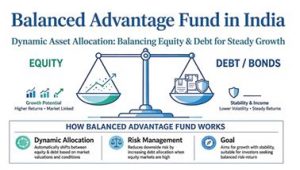
Every investor wants the wealth-creating power of equity and the reassuring stability of debt. Balanced Advantage Funds attempt...
Tourism is a major source of government revenue in our country. There are different types of tourism. Scenic...
Good Evening Viewers! Catch up on the day's biggest stories with The Savera Times Evening Bulletin. Get the...

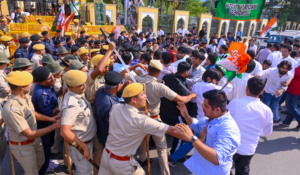
Congress leaders continued their protest outside the Jaipur Police Commissionerate on Tuesday, demanding the registration of a zero...
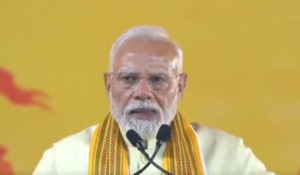
On the auspicious occasion of Vijayadashami, Prime Minister Narendra Modi on Tuesday called on the countrymen to unite...
Aries: The day will be auspicious...