Last Updated: October 10, 2026
Last Updated: October 10, 2026





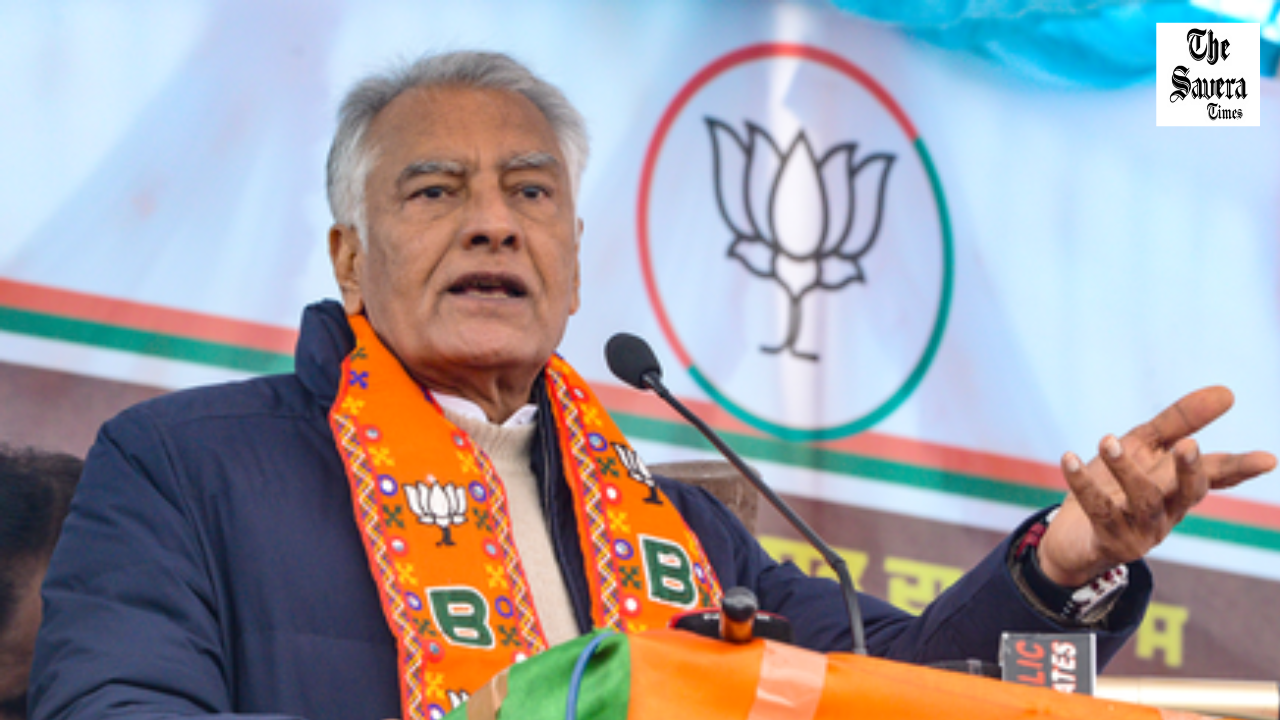
The Punjab unit of the Bharatiya Janata Party (BJP) has expressed gratitude to Prime Minister Narendra Modi for the Centre’s decision to reduce excise duty on petrol and diesel.
Punjab BJP chief Sunil Jakhar described the move as a “pro-people” step aimed at providing relief to citizens amid rising global fuel prices. He said the decision reflects the Centre’s commitment to shielding the common man from inflationary pressures.
The Centre recently announced a significant reduction in excise duty on fuel, bringing it down sharply on both petrol and diesel. According to reports, excise duty on petrol has been reduced from ₹13 per litre to ₹3, while diesel duty has been cut from ₹10 per litre to zero.
The move comes against the backdrop of rising crude oil prices globally due to geopolitical tensions, particularly in West Asia. The government stated that the aim is to absorb the financial burden rather than pass it on to consumers.
Reacting to the announcement, Sunil Jakhar said the excise cut is a “historic and people-centric” decision that will help control inflation and reduce financial stress on households.
He highlighted that despite global uncertainties and increasing oil prices, the Modi government has prioritised public welfare. Jakhar also said that such decisions demonstrate strong leadership and sensitivity towards the needs of citizens.
The Punjab BJP chief also used the opportunity to criticise opposition parties, particularly state governments that continue to impose taxes on fuel. He alleged that while the Centre is reducing the tax burden, some state governments are increasing levies, thereby negating the benefit for consumers.
Jakhar claimed that the BJP-led government at the Centre is consistently working to provide relief, whereas opposition-ruled states are failing to do so.
The excise duty reduction is part of a broader strategy to cushion the impact of the ongoing global energy crisis. Crude oil prices have surged due to geopolitical tensions and supply disruptions, affecting fuel costs worldwide.
Union ministers, including Amit Shah, have also welcomed the move, stating that it will bring relief to citizens and help maintain economic stability.
The Centre has indicated that it is willing to take a revenue hit to ensure that essential commodities like fuel remain affordable.
While the BJP has hailed the decision, opposition parties have questioned whether the excise cut will translate into immediate relief for consumers. Some critics argue that since the reduction applies to special additional excise duty, the direct impact on retail fuel prices may be limited.
This has sparked a political debate, with both sides presenting contrasting views on the effectiveness of the move.
Despite the debate, the Centre maintains that the decision is aimed at controlling inflation and supporting economic stability. Lower fuel taxes are expected to have a cascading effect on transportation costs and overall prices of goods.
The Punjab BJP has reiterated its support for the move, calling it a step in the right direction to ease the burden on citizens during challenging global economic conditions.
The development is likely to remain a key political issue, especially in states like Punjab where fuel pricing often becomes a subject of debate between the Centre and state governments.
As global oil markets remain volatile, further policy decisions may be expected to balance economic stability with public welfare.
Imagine a foreign national standing among Indian citizens at a political protest, raising questions about the government or...

Aizawl: The Assam Rifles, in coordination with other law enforcement agencies, seized methamphetamine tablets and foreign-made cigarettes worth...
Kolkata: A Returning Officer (RO), acting on behalf of the Election Commission of India (ECI), has lodged a...
New Delhi: The Delhi BJP Mahila Morcha staged a protest on Saturday to demand the expulsion from Congress...
Sanaa: Saudi warplanes launched fresh airstrikes on Houthi-held areas in northwestern Yemen on Saturday as fighting intensified between...
Patna: Bihar police on Saturday detained more than 50 teaching and non-teaching staff during a protest at JD...