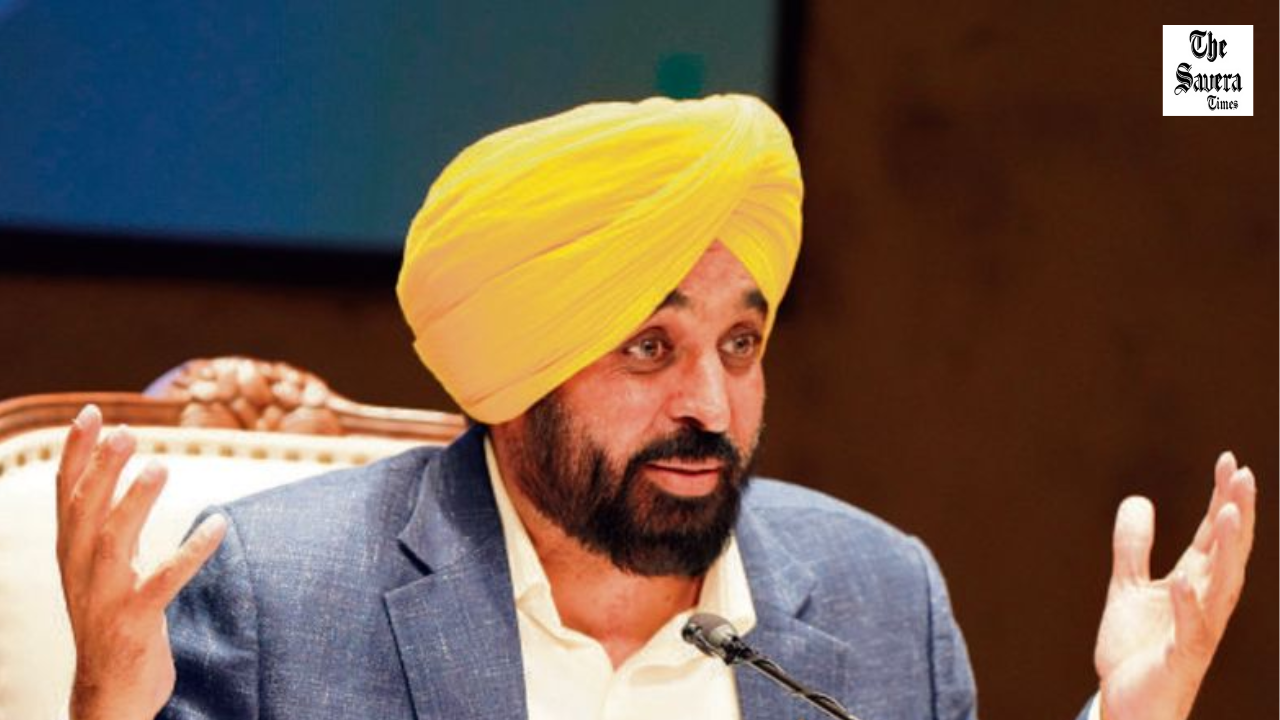
The Punjab Cabinet has approved the Industrial and Business Development Policy 2026, aiming to transform the state into a major investment destination and attract nearly ₹75,000 crore in fresh investments over the coming years. The policy was cleared in a meeting chaired by Chief Minister Bhagwant Mann and is expected to promote industrial growth, generate employment, and improve the ease of doing business in the state.
Officials said the new framework introduces a mix of fiscal and non-fiscal incentives, including capital subsidies, tax reimbursements and employment incentives to encourage companies to set up or expand operations in Punjab. The government believes the policy will strengthen the state’s industrial ecosystem and help revive manufacturing and technology sectors.
Focus on investment and employment generation
A key objective of the new policy is to increase industrial investment while creating large-scale job opportunities. The government expects the policy to attract both domestic and international investors across several sectors.
The policy also lowers eligibility criteria for employment incentives, allowing businesses investing ₹25 crore and employing at least 50 workers to qualify for benefits. This move is intended to include more small and medium enterprises (SMEs) in the incentive framework, which previously had higher thresholds.
In addition, employment generation subsidies will be provided to companies hiring workers, with special incentives for women, Scheduled Castes/Scheduled Tribes, and workers in the IT sector.
Capital subsidies introduced for the first time
For the first time, the Punjab government has introduced capital subsidies under its industrial policy. These subsidies will support industries making heavy investments in infrastructure and equipment.
Officials say this measure will benefit capital-intensive sectors such as semiconductors, data centres, pharmaceuticals and heavy manufacturing, which require long-term investments before turning profitable.
The policy also allows investors to choose from a range of incentives tailored to their business needs, creating a flexible framework designed to attract different types of industries.
Priority sectors and regional incentives
The government has identified nine priority sectors for special incentives. These include food processing, sports goods, textiles, agro-waste processing, auto and auto components, electronics and semiconductors, IT, electric vehicles, and defence and aerospace.
Industries set up in border districts and the Kandi region will receive an additional 25% incentive to encourage balanced regional development and offset geographical disadvantages.
Industry reaction and future outlook
Industry leaders have largely welcomed the new policy, saying it introduces reforms that can improve labour flexibility, encourage research and development, and support pollution-control investments. However, some stakeholders have also called for additional support for traditional sectors such as hosiery, bicycles and auto components that face strong global competition.
The state government plans to further promote the policy at upcoming investor events, including the Progressive Punjab Investors’ Summit 2026, where domestic and global investors will be invited to explore opportunities in the state.
Overall, the new industrial policy is seen as a major step toward revitalising Punjab’s economy, boosting manufacturing, and positioning the state as a competitive investment hub in India.