Last Updated: October 20, 2026
Last Updated: October 20, 2026






Chandigarh: According to the India Meteorological Department (IMD), Punjab and Chandigarh will experience dry weather conditions today. While fog may appear in isolated areas during early morning hours, clear skies and sunshine are expected during the day.
As per the Meteorological Department in Chandigarh, the weather will remain clear until February 27, and no alert has been issued.
Temperature Trends: Gradual Rise Expected
Over the next few days, the maximum temperature is likely to increase by 2 to 4 degrees Celsius. However, in the past 24 hours, temperatures dipped by around one degree. Despite this slight fall, the temperature remains about three degrees above normal.
The highest temperature of 27.2°C was recorded at Bhakra Dam. Across the state, minimum temperatures are expected to range between 8.4°C and 13.7°C.
Dense Fog in Patiala, Low Visibility Recorded
Although winter is almost over in Punjab and Chandigarh, a mild chill can still be felt during early morning and late evening hours. Over the past few days, fog has made a brief comeback.
On Saturday, fog persisted in Patiala and Mohali until around 10 AM, significantly reducing visibility. In Patiala, visibility dropped to just 70 meters, causing inconvenience to commuters.
However, skies are expected to remain clear in Amritsar and along the Ambala–Delhi highway, ensuring smooth travel conditions.
Why Is Fog Forming in February?
The sudden appearance of fog in February is mainly due to temperature fluctuations and increased moisture. As daytime temperatures begin to rise, evaporation increases. However, nights remain relatively cool. When temperatures drop sharply at night, moisture in the air condenses into tiny water droplets, leading to fog formation.
Additionally, western disturbances bring snowfall to the hills, sending cold winds toward the plains. If wind speeds are low and pollution levels (smoke and dust) are high, the fog can become denser, resulting in smog conditions.
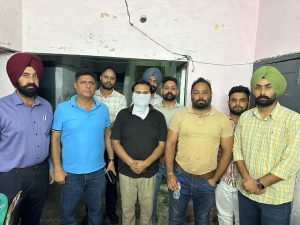
The Punjab Vigilance Bureau (VB) during its ongoing drive against corruption in the state, has apprehended Inspector Gulshan...
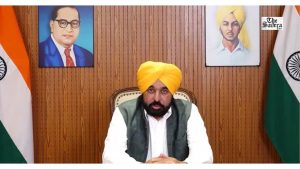
Chief Minister Bhagwant Mann may soon hold a press conference or release a video message amid Union Home...
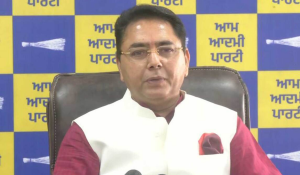
Punjab Cabinet Minister Aman Arora welcomed Union Home Minister Amit Shah's visit to Punjab on Tuesday. However, he...
Gurdaspur: Union Home Minister Amit Shah on Tuesday met with the families of those who spoke out against...

Mansa: A shocking incident was reported from Mansa in Punjab on Tuesday morning, where a Punjab Police head constable...

Chandigarh: Ahead of the day-long visit of Union Home Minister Amit Shah in the state, the AAP government...

Aries: The day will be auspicious...