Last Updated: October 21, 2026
Last Updated: October 21, 2026





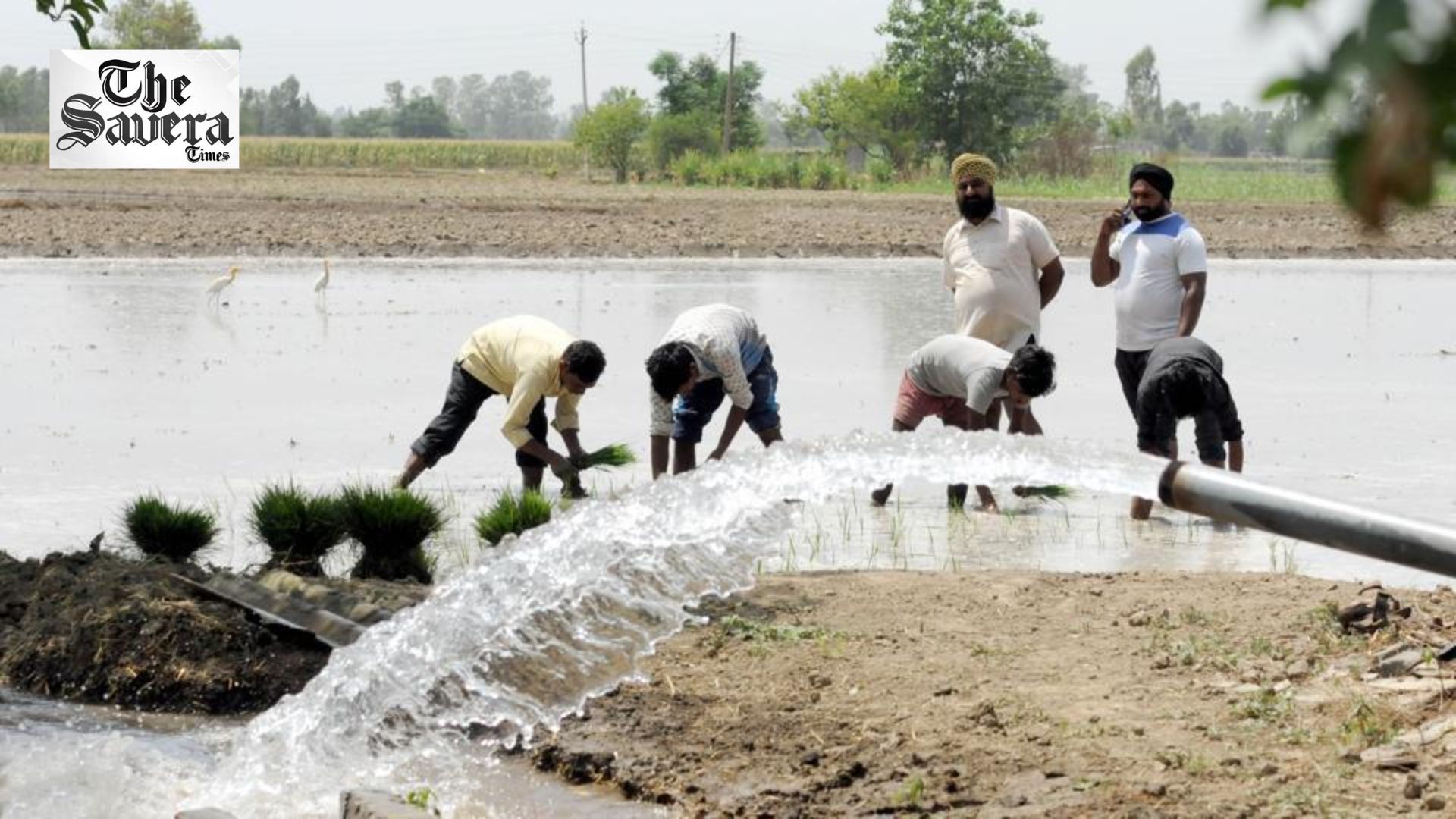
Undoubtedly, Punjab is becoming increasingly vulnerable to groundwater crisis with each passing day. Of the state’s 153 groundwater assessment blocks, 111 have fallen into the dark zone, and the state is using 56 percent more water than it should. Agriculture has become dependent on tube wells. The same old method of sowing paddy is causing the state’s groundwater levels to plummet. However, it is also true that since the Aam Aadmi Party’s Bhagwant Mann government came to power in Punjab, significant changes have been made to irrigation systems and farming practices.
Canal irrigation is being expanded, along with a growing awareness of crop diversification and abandoning crop rotations. Lift irrigation projects are being constructed, underground pipelines are being laid, and projects like micro-irrigation are progressing rapidly. Its impact is certainly visible in Punjab. While limited, it is promising. Out of 153 dark zones, we are seeing good results in 42 zones. If this enthusiasm continues, this impact will be visible in even more zones. Furthermore, the government is also emphasizing the cultivation of paddy crops that require less water. Experts have shown that where access to canal irrigation has improved or farmers have switched to alternative crops, the pressure on groundwater exploitation has reduced to some extent. The government has made six efforts to reduce the pressure on groundwater exploitation.
First, the establishment of a monitoring authority; second, crop diversification; third, expansion of canal irrigation; fourth, lift irrigation projects; fifth, underground pipelines for irrigation; and sixth, micro-irrigation schemes. Additionally, the government has opened old and closed canals and reservoirs at a cost of Rs 7,000 crore. This has brought water to areas previously unavailable. Lift irrigation projects worth Rs 650 crore have been initiated in the higher elevations of Rupnagar, bringing water from the Sutlej and Swan rivers to farmlands.
Subsidies are being provided for laying underground pipelines to prevent water wastage. Micro-irrigation systems like drip and sprinkler irrigation are being promoted. The sooner the public embraces these government efforts and steps forward to fulfill their responsibilities, the better it will be for Punjab.
The CBI has taken over the investigation into anti-drug activist Parvinder Singh Jhota’s killing in Mansa and registered...

Punjab Chief Minister Bhagwant Mann was allegedly detained for three hours at Delhi airport upon his return from...

The Punjab Vigilance Bureau (VB) during its ongoing drive against corruption in the state, has apprehended Inspector Gulshan...
Chief Minister Bhagwant Mann may soon hold a press conference or release a video message amid Union Home...

Punjab Cabinet Minister Aman Arora welcomed Union Home Minister Amit Shah's visit to Punjab on Tuesday. However, he...
Gurdaspur: Union Home Minister Amit Shah on Tuesday met with the families of those who spoke out against...

Aries: The day will be auspicious...