Last Updated: October 20, 2026
Last Updated: October 20, 2026





-Abhishek Vij
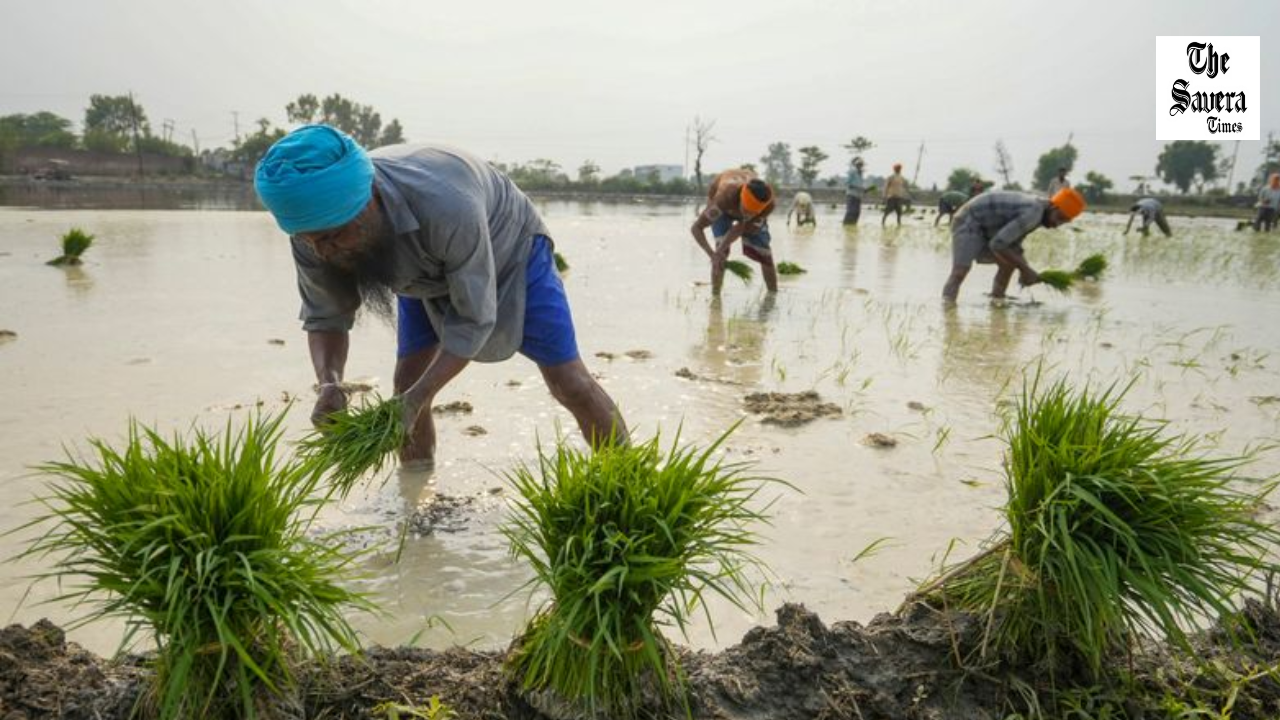
The ‘Farm Stay Policy-2026′ has been implemented in Punjab. This policy features a master plan designed to accord global recognition to Punjabi culture; furthermore, a framework has been established to facilitate online registration for innovators and budding entrepreneurs looking to offer farm-stay services. It has been announced that such entrepreneurs will receive a subsidy equivalent to 10 percent of the capital invested in their projects. This subsidy is capped at a maximum limit of Rs 5 crore. In our view—and why limit this to Punjab alone?—such a policy could be expanded to every state across the country, given that each state possesses its own distinct rural culture and ethos. Avid travelers would undoubtedly relish the opportunity to explore every nook and cranny of the nation. The entire country holds the potential to be transformed into a captivating destination for tourists. As you may have observed in the hill states, in addition to conventional hotels, homestays are increasingly being offered to couples and international visitors seeking scenic getaways. While the governments of Himachal Pradesh and Uttarakhand have been actively encouraging such investments in the remote corners of their respective states, the focus can now be broadened to render rural communities across the entire nation appealing to tourists. Punjab has already taken the lead in this direction. Farmers in the state can now establish facilities on their agricultural land to provide tourists with accommodation, meals, and an authentic experience of the quintessential rural lifestyle. The agricultural sector across the country is predominantly characterized by a multitude of small-scale farmers. With average landholdings ranging from two to five acres, farmers’ incomes are often so meager that merely making ends meet becomes an arduous struggle. Even after threequarters of a century since independence, they have been unable to commercialize their farming operations and remain, to this day, dependent on the vagaries of the monsoon. However, this “grace of the monsoon” has now effectively morphed into the “curse of environmental pollution.” Nowadays, the seasons seem to have gone astray. The monsoon season is often marked by scorching heat, while the crucial harvest period—when crops are ripening—is frequently plagued by the devastating onslaught of unseasonal rains. In such an environment, farmers are in dire need of supplementary sources of income. In particular, rural women in India—who until now remained largely invisible within the national net income, merely assisting their male counterparts in agricultural activities—can be provided with a means of generating supplementary income amidst the current, unpredictable climatic conditions. This very avenue is the “Farm Stay.” In recent times, the traditional “Homestay” model in the hills had become increasingly hazardous due to adverse weather patterns. Reports emerged of cloudbursts in some regions and floods in others—incidents that, in some instances, resulted in hotels and tourist sites being swept away by the surging waters. If we were to act as custodians of our folk culture and transform the rural landscapes across the entire nation into enchanting tourist destinations, just imagine the immense surge in revenue that would ensue. Punjab has already embraced this novel policy. Modeled after the successful homestay concept that emerged in the hill regions, the “Farm Stay” initiative is currently being developed. If Punjab can achieve this, why shouldn’t other states follow suit? After all, every state possesses its own unique folk culture and distinct rural charm. Tourists visiting Punjab will have the opportunity to stay amidst the fields, experience driving a tractor, take a ride on a bullock cart, observe livestock rearing, and gain an intimate understanding of traditional village cuisine and lifestyles. In this manner, every state can leverage its own unique rural culture to captivate and attract tourists. The specific criterion for the Punjab model mandates that a farmer must possess a minimum of one acre of agricultural land. For a small-scale farmer in Punjab, securing an additional source of income represents a policy initiative that is, in itself, highly commendable.
The Punjab Vigilance Bureau (VB) during its ongoing drive against corruption in the state, has apprehended Inspector Gulshan...
Chief Minister Bhagwant Mann may soon hold a press conference or release a video message amid Union Home...
Punjab Cabinet Minister Aman Arora welcomed Union Home Minister Amit Shah's visit to Punjab on Tuesday. However, he...
Gurdaspur: Union Home Minister Amit Shah on Tuesday met with the families of those who spoke out against...
Mansa: A shocking incident was reported from Mansa in Punjab on Tuesday morning, where a Punjab Police head constable...
Chandigarh: Ahead of the day-long visit of Union Home Minister Amit Shah in the state, the AAP government...

Aries: The day will be auspicious...