Last Updated: October 25, 2026
Last Updated: October 25, 2026





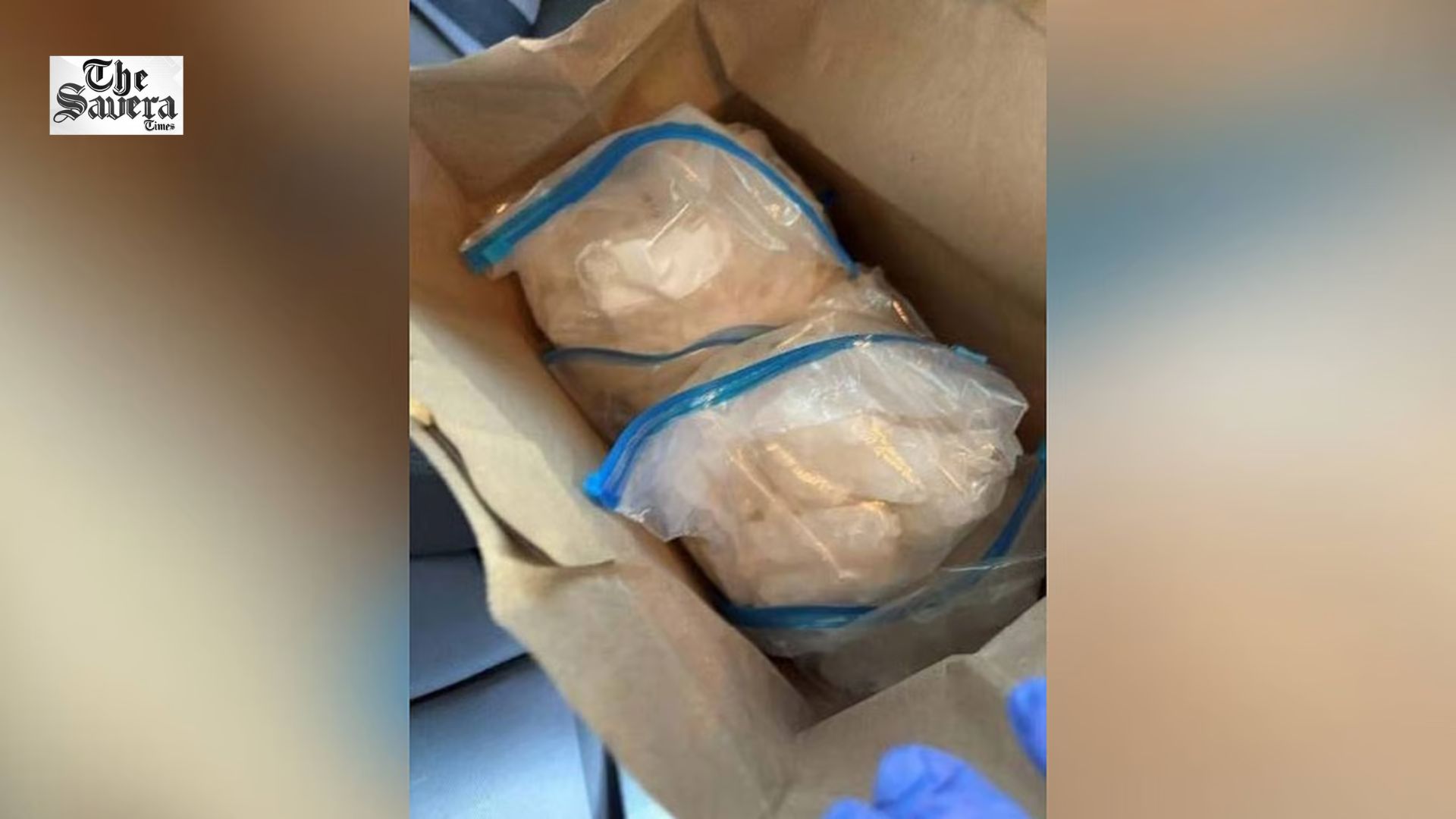
Washington: A Punjab-origin Indian national has been charged in the United States with allegedly distributing methamphetamine from a pizza restaurant in California, according to the US Department of Justice. Federal agents seized more than 40 pounds of methamphetamine, three firearms and over USD 10,000 in cash during searches linked to the investigation.
The accused, identified as 50-year-old Kawal Preet Singh, allegedly operated a Round Table Pizza restaurant in Dinuba, California, and sold wholesale quantities of methamphetamine from the outlet while possessing illegal firearms. Singh is also alleged to have been unlawfully present in the United States.
More than 40 pounds of meth seized
According to court documents, federal agents searched Singh’s home and business on August 18, 2026, as part of an investigation into organised Indian crime in California’s Central Valley.
During the searches, authorities recovered more than 40 pounds (around 18 kg) of methamphetamine, along with three firearms and more than USD 10,000 in cash. The investigation was conducted by the FBI and Homeland Security Investigations (HSI).
The case alleges that Singh used his pizza business to facilitate wholesale drug distribution. Federal prosecutors have charged him with distribution of methamphetamine, possession with intent to distribute methamphetamine and possession of a firearm in furtherance of a drug-trafficking crime.
Singh faces up to life in prison if convicted
If convicted of the drug-trafficking charges, Singh faces a mandatory minimum sentence of 10 years and a maximum of life in prison, along with a fine of up to USD 10 million.
He also faces a mandatory minimum five-year sentence, to run consecutively to any other sentence, for allegedly possessing a firearm in furtherance of drug trafficking. That charge also carries a maximum sentence of life imprisonment.
However, the charges are allegations at this stage, and Singh is presumed innocent unless and until proven guilty in court. Any sentence would ultimately be determined by the court after considering applicable laws and federal sentencing guidelines.
The case is part of the US Homeland Security Task Force’s wider effort to investigate and prosecute criminal cartels, foreign gangs and transnational criminal organisations operating in the United States and abroad.
Iran's parliamentary delegation will attend the BRICS Parliamentary Forum in New Delhi on October 26–27 after Speaker Mohammad...

Elon Musk has become the largest individual political donor ahead of the 2026 US midterms, with more than...

Punjab Police have registered up to 20 FIRs and rounded up as many as 52 suspects during action...

The arrest of a couple in Ferozepur over an alleged honey-trapping operation has brought renewed attention to suspected...

The Enforcement Directorate is investigating alleged irregularities in GMADA plot allotments in Mohali. A preliminary estimate puts the...

Four pilots died after two Philippines Air Force aircraft collided midair during a training exercise in Batangas. The...

Aries: The day will be auspicious...