Last Updated: October 15, 2026
Last Updated: October 15, 2026





Punjab has become the first state in India to formally oppose the proposed India–United States trade deal after the Punjab Vidhan Sabha unanimously passed a resolution against it. The resolution, adopted during the Assembly session, described the agreement as harmful to the interests of farmers and the state’s agricultural economy.
Members of the Assembly expressed concern that the trade agreement could open Indian markets to subsidised agricultural products from the United States, which may severely affect local farmers. Legislators across party lines supported the resolution, reflecting a rare consensus in the House on protecting Punjab’s agricultural sector.
The resolution urged the Central Government to reconsider the proposed agreement and ensure that the interests of Indian farmers are not compromised in any international trade arrangement.
During the debate in the Assembly, the Punjab government strongly criticised the trade pact, arguing that it could negatively impact the livelihood of farmers in the state. Chief Minister Bhagwant Mann reportedly termed the deal a “betrayal” for Punjab’s farmers and warned that it could have long-term consequences for agriculture in the region.
Punjab’s economy is heavily dependent on agriculture, with crops like wheat and paddy forming the backbone of the rural economy. Legislators argued that opening markets to imported agricultural goods from developed economies could lead to unfair competition for local farmers who already face rising input costs and limited profit margins.
The Assembly resolution stated that the proposed deal was even “worse than the three farm laws” that had sparked nationwide protests in 2020–21.
One of the major concerns raised by Punjab leaders is the high level of government support provided to farmers in the United States. According to political leaders in the state, American farmers receive substantial subsidies, insurance benefits and financial support from their government, which allows them to produce crops at lower costs.
If Indian markets are opened widely under the trade deal, these subsidised agricultural products could enter the country at competitive prices, potentially harming domestic producers. Leaders in Punjab fear that small and medium farmers in India may find it difficult to compete with such imports.
This concern has also been echoed by several farmer organisations in the state, which have demanded transparency from the Union Government regarding the exact terms and conditions of the trade agreement.
Political leaders and farmer groups in Punjab have urged the Union Government to make the details of the India–US trade deal public. They argue that farmers should be informed about any commitments made in the agriculture sector before the agreement is finalised.
Farmer organisations have also called for safeguards to ensure that domestic agriculture is protected from sudden market shocks caused by international competition. They emphasised that agriculture supports millions of livelihoods across the country and must be treated as a sensitive sector in trade negotiations.
The resolution passed by the Punjab Assembly could intensify the political debate surrounding the proposed trade agreement. With Punjab taking the lead in opposing the deal, other agricultural states may also begin examining its potential impact on their farmers.
Experts believe the development highlights growing concerns among states regarding global trade agreements that affect agriculture and rural livelihoods. The move by Punjab signals that the issue is likely to remain a key political and economic debate in the coming months as negotiations between India and the United States continue.
Ludhiana, Punjab: Tensions erupted in Ludhiana city’s Old Sabzi Mandi, Karabara Road area on Thursday afternoon when angry...
The Punjab Police's Anti-Gangster Task Force (AGTF) has arrested Gurlal Singh in a joint operation with the Haryana...
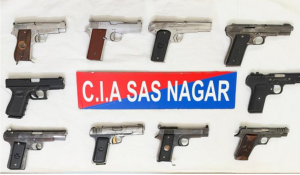
Punjab Police has busted an illegal arms supply network in SAS Nagar and arrested three accused. Among the...
Mansa City-2 SHO Beant Kaur has been suspended with immediate effect following anti-drug activist Parminder Singh Jhota’s murder....

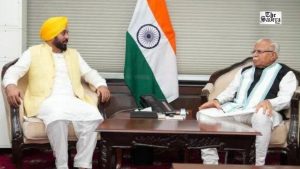
Punjab Chief Minister Bhagwant Mann is scheduled to meet Union Power Minister Manohar Lal Khattar in Delhi at...
Punjab AGTF and Haryana STF arrested Gurlal Singh in connection with Ajmeet Singh’s September 11 murder in Naushera...

Aries: The day will be auspicious...