Last Updated: October 21, 2026
Last Updated: October 21, 2026





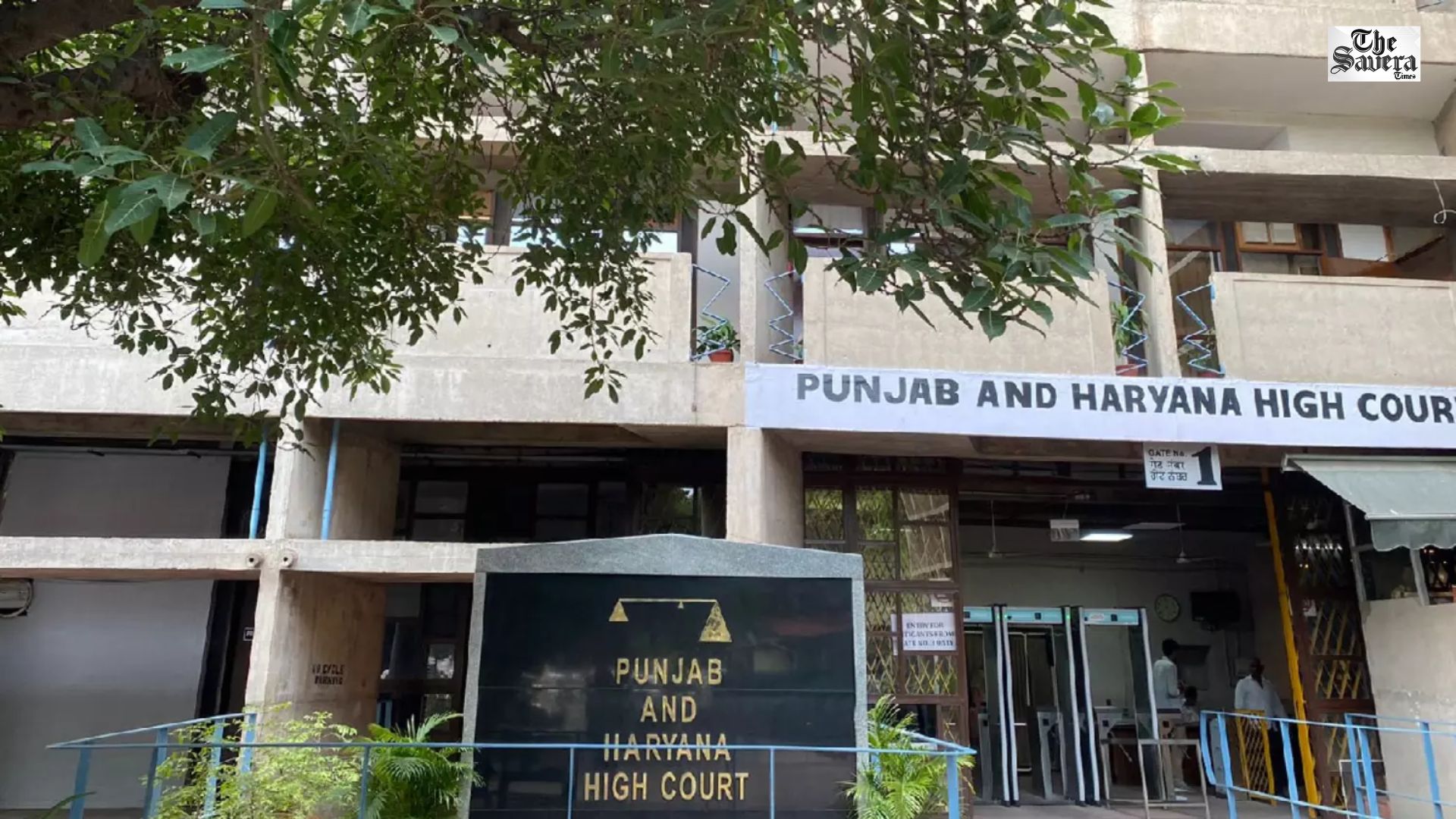
Chandigarh: Another petition has now been filed in the Punjab and Haryana High Court challenging the law enacted by the Punjab government regarding sacrilege, specifically the “Jagat Jot Sri Guru Granth Sahib Satar (Amendment) Act, 2026.” The Anglican Church of India (CIPBC) has termed this amendment act as religion-specific, discriminatory and unconstitutional. The petition seeks an immediate stay on the law and demands its quashing.
The law has been challenged in court based on the following four points:
1. Secularism and Equality
The Church argues that this law extends protection to only one specific religious scripture: the Sri Guru Granth Sahib. The holy scriptures of other religions have not been included within its scope. They contend that this violates Article 14 of the Constitution (the Right to Equality) and the fundamental principle of secularism.
2. Disproportionate Punishment
The petition challenges Section 5(3) of the Act, which prescribes a life sentence for conspiracy committed with the intent to disturb the peace. The Church asserts that awarding a punishment equivalent to that for murder for a non-violent offense is arbitrary and incongruous.
Effect on Freedom of Speech
The definition of ‘sacrilege’ under the Act encompasses acts involving speech, writing, gestures, and electronic media. According to the petitioners, this definition is so broad and vague that it could potentially infringe upon the freedom of expression guaranteed under Article 19 of the Constitution.
Interference from the state
The Church has called rules like making a digital registry and keeping records of holy scriptures mandatory too much government interference in religious matters. In this case, the High Court has decided to look at the petitioner’s credentials before looking at the petition itself. The next court date for the case is now set for May 8, 2026.
So Far, Two Petitions Have Been Filed
There have been two petitions filed about this issue so far. The first big petition against this law was Simranjit Singh’s Public Interest Litigation (PIL). The petitioner, who lives in Jalandhar, said that the law was unconstitutional and violated the right to equality.
Meanwhile, a new petition has also recently been filed on behalf of the Anglican Church of India. In this petition, the law has been described as contrary to the principles of secularism.
Punjab Chief Minister Bhagwant Mann was allegedly detained for three hours at Delhi airport upon his return from...
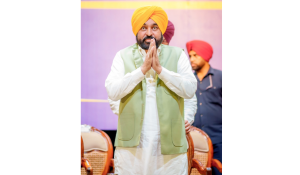
The Punjab Vigilance Bureau (VB) during its ongoing drive against corruption in the state, has apprehended Inspector Gulshan...
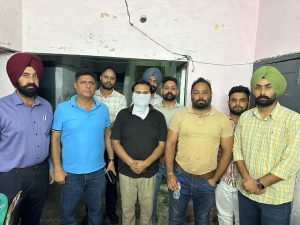
Chief Minister Bhagwant Mann may soon hold a press conference or release a video message amid Union Home...
Punjab Cabinet Minister Aman Arora welcomed Union Home Minister Amit Shah's visit to Punjab on Tuesday. However, he...
Gurdaspur: Union Home Minister Amit Shah on Tuesday met with the families of those who spoke out against...
Mansa: A shocking incident was reported from Mansa in Punjab on Tuesday morning, where a Punjab Police head constable...