Punjab Weather: Rain Likely Over Next 3 Days as Monsoon Slows; Heat, Humidity Rise, Yellow Alert for 8 Districts
July 16, 2026
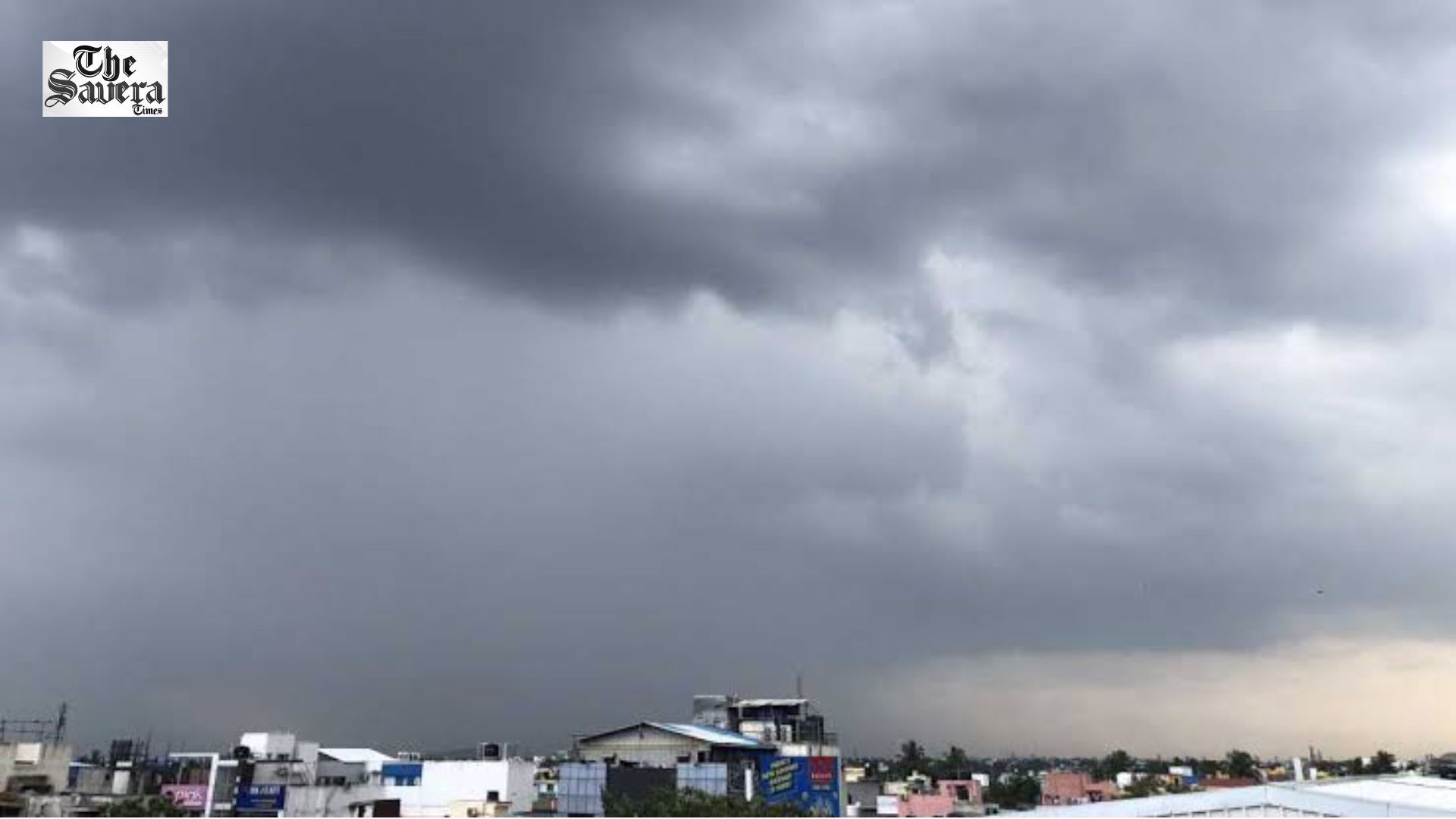
Mohali: Punjab is expected to witness light to moderate rainfall over the next three days despite a temporary slowdown in monsoon activity. The India Meteorological Department (IMD) has issued a yellow alert for hot and humid weather in eight districts, while temperatures across the state continue to remain above normal, with Faridkot recording a maximum of 41.3°C.
The break in monsoon rainfall has led to rising humidity levels, making daytime conditions uncomfortable across many parts of the state. The Chandigarh Meteorological Centre has forecast isolated rainfall in several districts even as weather conditions remain hot and humid.
Yellow Alert for Heat and Humidity; Rain Forecast in 16 Districts
The IMD has issued a yellow alert for Ferozepur, Fazilka, Faridkot, Moga, Sri Muktsar Sahib, Bathinda, Barnala and Mansa, where hot and humid conditions are expected on Thursday.
Meanwhile, light to moderate rainfall at isolated places is likely over the next three days in Pathankot, Gurdaspur, Amritsar, Tarn Taran, Hoshiarpur, Shaheed Bhagat Singh Nagar (Nawanshahr), Kapurthala, Fatehgarh Sahib, Rupnagar, SAS Nagar (Mohali), Ferozepur, Fazilka, Faridkot, Sri Muktsar Sahib, Bathinda and Mansa.
Over the last 24 hours, Punjab’s maximum temperature has increased by 0.4°C, remaining 2.1°C above the seasonal average. Faridkot recorded the highest temperature in the state at 41.3°C.
Why Has the Monsoon Slowed Down?
According to Dr. Surender Paul, Director of the Meteorological Centre, Chandigarh, the active monsoon line currently stretches from North India to the Bay of Bengal, keeping moisture levels high over Punjab. However, the absence of key triggering factors—such as a southward shift of the monsoon trough or the formation of cyclonic circulation—has temporarily weakened rainfall activity.
He said a Western Disturbance is currently active over northern Pakistan and Jammu & Kashmir, while another system is expected to influence northwest India from July 19. This is likely to revive monsoon activity across Punjab.
During the next 24 hours, some areas may also experience thunderstorms accompanied by winds of 40–50 kmph, with gusts reaching up to 60 kmph.
Dam Water Levels Remain Below Danger Mark
According to the latest Bhakra Beas Management Board (BBMB) data, the Bhakra Dam water level stands at 1,582.13 feet, nearly 97.87 feet below its danger mark of 1,680 feet.
Similarly, the Pong Dam water level is 1,322.54 feet, which is 67.46 feet below its danger level of 1,390 feet.
Bhakra Dam is receiving an inflow of 33,701 cusecs, while 26,409 cusecs are being released. Pong Dam is receiving 14,841 cusecs of water, with an outflow of 18,487 cusecs.
Rising Humidity Pushes Up Power Demand
The increase in temperature and humidity has also driven up electricity demand across Punjab.
The state’s power demand has reached 15,388 MW, while generation stands at 6,036 MW. To meet the shortfall, Punjab is drawing 9,349 MW from the national grid, which is 269 MW above its allocated share. The grid frequency remains stable at 49.97 Hz, indicating normal operating conditions.