Last Updated: October 16, 2026
Last Updated: October 16, 2026





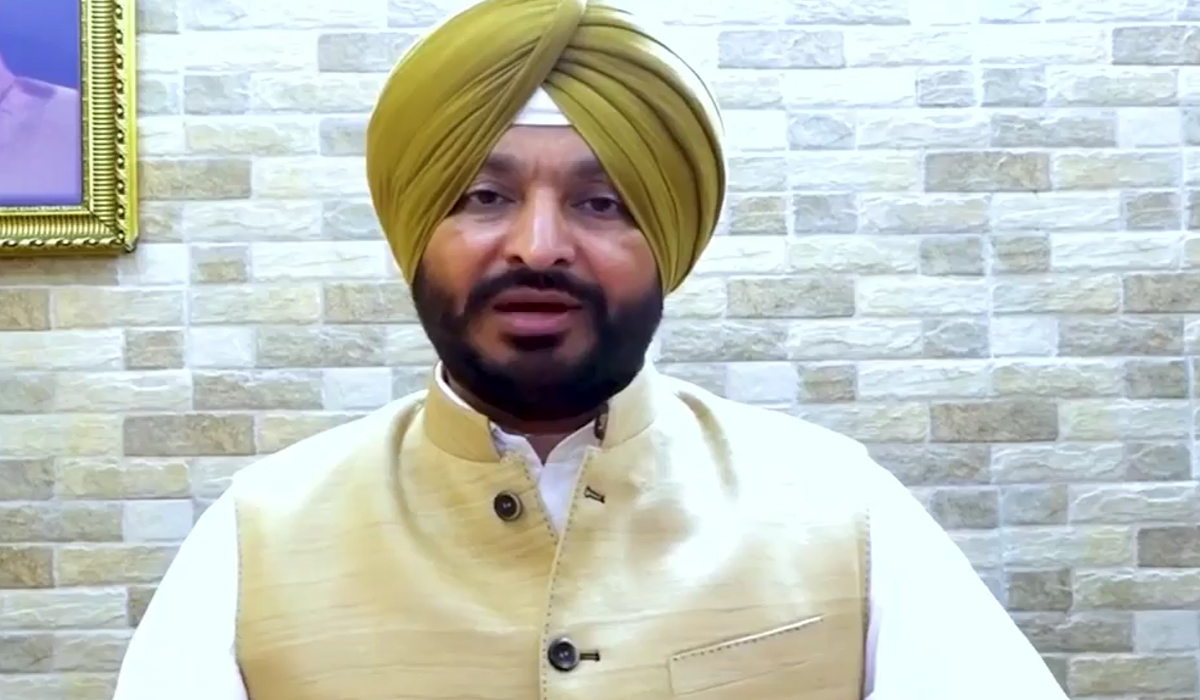
New Delhi: It has been decided to revive the long-stalled 40 km long Qadian-Beas rail line project. Minister of State for Railways Ravneet Singh Bittu has directed the officials to immediately revive this long-awaited project. The project was earlier stalled due to alignment issues, land acquisition and local political circumstances.
Work was stalled due to obstacles
Due to these obstacles, the Railways had completely abandoned the project. However, Minister of State for Railways Ravneet Singh Bittu took up the matter and decided to resume it.
New life for pending rail projects in Punjab
Bittu said that Prime Minister Narendra Modi and Railway Minister Ashwini Vaishnaw have already made it clear that there is no dearth of funds for Punjab’s railway projects. Since then, the ministry has been working tirelessly to launch new projects, complete pending projects and restart stalled projects.
He said that work on the Mohali-Rajpura, Ferozepur-Patti, and now Qadian-Beas rail line projects is progressing at a rapid pace. Bittu directed the officials to remove all obstacles and resume construction. He said that this new line will give a big boost to industries in Batala – known as the “steel city” of the region.
Estimates to be submitted to the Railway Board soon
Bittu said that a letter issued by the Chief Administrative Officer (Construction) of Northern Railways said that the Railway Board will “defrost” the project and approve its estimates soon, after which the construction work will begin.
The history of the project is linked to the British era
The project has a long history. According to Bittu, it was first approved by the British government in 1929, and work on the North-Western Railway had already begun. By 1932, about a third of the work was completed, but the project was abruptly abandoned.
The Railways later declared it a “socially beneficial project” and included it in the 2010 Railway Budget. However, work was once again halted due to financial objections from the Planning Commission.
Projects falling under the “socially beneficial” category aim to promote inclusive growth – providing affordable and accessible transport services to the people despite low returns.
Punjab Chief Minister Bhagwant Mann dedicated 154 new Aam Aadmi Clinics to the public in Hoshiarpur, expanding access...

Shiromani Rangreta Dal Punjab President Sardar Dharmendra Singh has accused the Congress of having an anti-Dalit mindset, alleging...

Ludhiana, Punjab: Tensions erupted in Ludhiana city’s Old Sabzi Mandi, Karabara Road area on Thursday afternoon when angry...
The Punjab Police's Anti-Gangster Task Force (AGTF) has arrested Gurlal Singh in a joint operation with the Haryana...

Punjab Police has busted an illegal arms supply network in SAS Nagar and arrested three accused. Among the...

Mansa City-2 SHO Beant Kaur has been suspended with immediate effect following anti-drug activist Parminder Singh Jhota’s murder....

Aries: The day will be auspicious...