Last Updated: November 26, 2026
Last Updated: November 26, 2026




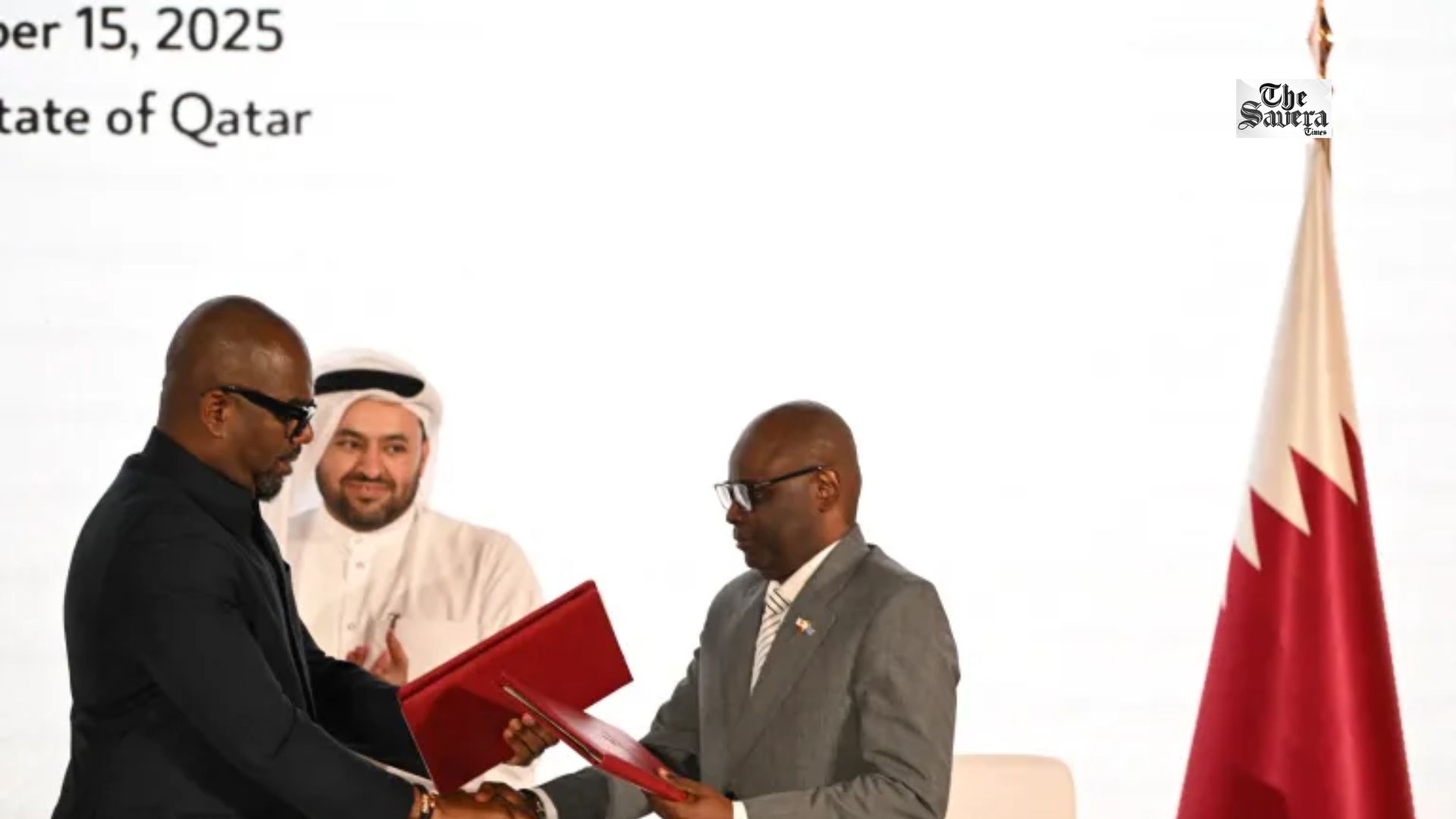
Prosperous small states like Qatar should combine their diplomatic and economic resources to advance international peace and stability. “For thriving states, international peace and stability are not a luxury. They are the foundation of our national stories.” Qatar’s Prime Minister Sheikh Mohammed bin Abdulrahman bin Jassim Al Thani made this point at the Oxford Union earlier this month. For countries such as Qatar, prosperity rests on connections extending far beyond their borders. Energy exports, shipping routes and overseas investments depend on international predictability. Their security policy has to reflect that. The meeting of the presidents of the United States, China and Russia – Donald Trump, Xi Jinping and Vladimir Putin – in Shenzhen on November 19 brought the problem into focus. Their declaration covered nuclear risks, energy supplies and reform of the United Nations. These are matters that affect every country. A few powers retain disproportionate influence over the outcome. Dialogue among these powers is welcome. We should, however, have no illusions that their willingness to sit together signals the end of their competition. They can reach agreements while continuing to contest influence and access to resources. For countries outside the room, the consequences may arrive through a disrupted shipping route, a new restriction on trade or a security decision they had no part in making. The prime minister’s concept of thriving states offers a way to think about their response. He described agile, stable and prosperous countries that have built influence beyond their size. Economic strength, adaptable institutions and trusted relationships give them room to act. Their exposure to decisions taken elsewhere gives them a reason to act together. Economic importance is no guarantee of security. Thriving states can also help bridge the gaps between competing great powers. By maintaining diplomatic and economic ties with all sides, they can keep channels open when relations deteriorate. This gives them room to facilitate dialogue, support conflict resolution and identify areas where rivals still have an interest in cooperating. The familiar classifications are of limited help here. The Global North and the Global South tell us little about which countries can work together on a particular problem. Developed and developing say something about economic conditions, but much less about diplomatic reach or the ability to support a peace process. A country may be small in population and still possess capabilities that larger states need. Negotiations still have to take place. Aid needs access, ceasefires need monitoring, and agreements need someone to keep working on them after the announcement. Thriving states should take greater responsibility for this work. Their diplomatic access and financial resources are increasingly necessary to sustain functions that international institutions struggle to perform consistently. Qatar is already doing this through its mediation between Washington and Tehran and its work on implementing the Gaza agreement. The limits of these efforts are visible. Agreements are violated, talks stall and violence continues. Maintaining a channel nevertheless preserves the possibility of a negotiated outcome. That channel has to survive setbacks if it is to be useful when an opening appears. At Oxford, the prime minister pointed to Qatar’s cooperation with Norway and Switzerland on the situation in the Democratic Republic of the Congo (DRC). Such partnerships bring different relationships and experience to mediation. They offer a practical basis for cooperation among states that share an interest in a settlement, even when their wider foreign policies differ.
At least 31 people were killed and 21 others injured after a fuel tanker crash triggered a massive...
Moscow is piling on new demands in talks with Ukraine either as a negotiating strategy or as a...

The ICJ rules on The Gambia’s genocide case against Myanmar. Here’s what’s at stake for the Rohingya. On...
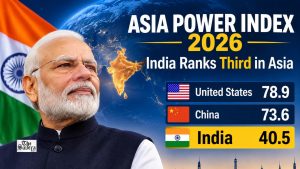
In recent times, India’s rapid economic growth has garnered significant praise in various international surveys. Even amidst challenging...
Pune: Four assailants attacked a youth outside the Shivajinagar District Court complex in Pune on Wednesday afternoon, leaving...

New Delhi: Ontario’s Minister of Economic Development, Job Creation and Trade, and Chair of Cabinet, Victor Fedeli, said...
Aries: The day will be auspicious...