Last Updated: October 11, 2026
Last Updated: October 11, 2026





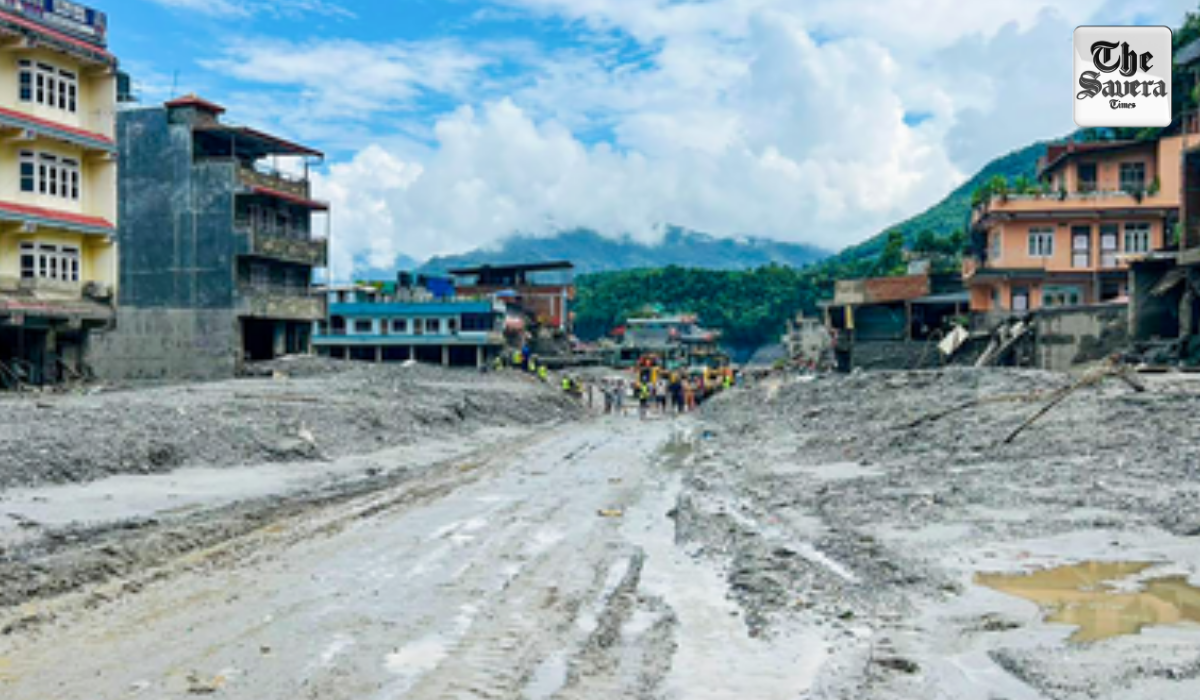
The silence of Chinese authorities after the glacier avalanche struck Tibet is a continuation of its decades-long policy of suppressing Tibetan suffering, erasing Tibetan identity and controlling the narrative of Tibet in the world. Entire communities were left in shock, and families were torn apart after the glacier avalanche hit Tibet. However, what stands out is not the disaster but the Chinese authorities’ silence on the issue, as they did not release any information regarding the casualties caused by the disaster. Chinese authorities’ refusal to reveal details regarding casualties fits into its long-standing policy of suppressing information regarding Tibet whenever people of the region suffer disproportionately. Whether it is uprisings, self-immolations, or environmental disasters, the state’s instinct is to conceal rather than confront. This strategy serves two purposes: Control of narrative: By silencing reports of Tibetan deaths, Beijing avoids international scrutiny and domestic sympathy. Denial of identity: To acknowledge Tibetan suffering would be to admit that Tibetans are distinct, resilient, and enduring — qualities the state seeks to erase,” Khedroob Thondup, nephew of the 14th Dalai Lama. The glacier avalanche that hit Tibet is a warning to the world. It demonstrates that Tibet’s fragile environment, already impacted by climate change and reckless development, is a harbinger of crisis to come. According to the report, the international community must acknowledge that China’s silence is not of numbers, but of lives. The silence after the avalanche is not accidental. It is policy. It is the continuation of a decades-long strategy to suppress Tibetan suffering, erase Tibetan identity, and control the narrative of Tibet’s place in the world. The world must recognise this silence for what it is: a cover-up, not of numbers, but of lives. And until those lives are named, counted, and honoured, Tibet remains buried under more than snow — it remains buried under the weight of deliberate erasure. Meanwhile, US-based advocacy group Human Rights Watch (HRW) has accused China of resorting to censorship and tighter controls on information amid deadly flash floods that have left people in Nepal and across the border in Tibet reeling from devastation. The Chinese social media platform Weibo, which operates under Beijing’s censorship demands, prominently pinned a memorial hashtag — ‘Mourning the victims of the Gyirong mudslide disaster’ — at the top of its trending topics, alongside eight other disaster-related hashtags.
Pakistan’s religious minorities continued to face violence, discrimination and persecution throughout 2025, with blasphemy accusations and minority women...
Bangladesh is facing acute environmental and public health risks from rising pesticide and chemical fertiliser use. Chemical fertiliser...

India’s cheetah story has entered a new phase. After the species disappeared from the country in the 1950s,...

Jaipur: The Anti-Narcotics Task Force (ANTF) of Rajasthan Police has arrested wanted drug smuggler Sohanlal, alias Sonu, carrying...

Imagine a foreign national standing among Indian citizens at a political protest, raising questions about the government or...

Aizawl: The Assam Rifles, in coordination with other law enforcement agencies, seized methamphetamine tablets and foreign-made cigarettes worth...

Aries: The day will be auspicious...