Last Updated: October 12, 2026
Last Updated: October 12, 2026






Congress leader Rahul Gandhi visited Indore to meet the families of victims affected by the ongoing water contamination crisis in Madhya Pradesh. The visit comes amid growing public outrage over contaminated drinking water linked to multiple deaths and hospitalizations in the region. Gandhi took time to interact personally with the families, listening to their grief and demanding accountability from the state government.
The Indore water crisis has emerged as a serious public health concern after reports emerged of contaminated drinking water causing illness, hospitalizations, and several deaths. Residents in affected areas have raised concerns about foul smell, discolored water, and gastrointestinal issues. Medical reports from local hospitals have indicated severe water-borne diseases, prompting widespread alarm and protests.
During his visit, Rahul Gandhi strongly criticized the Madhya Pradesh government, accusing it of negligence in ensuring safe drinking water for citizens. He questioned the authorities’ preparedness and response, saying that basic civic amenities like potable water should never be a matter of life and death. Gandhi accused the ruling party of ignoring warning signs and failing to take timely action to protect public health.
Rahul Gandhi called for a thorough investigation into the circumstances leading to the water contamination and the subsequent loss of lives. He urged state officials to take immediate remedial measures to ensure safe water supply and prevent further tragedies. Gandhi also demanded compensation for families who lost loved ones and adequate medical support for those still recovering.
Families of the victims expressed deep grief over their losses and shared emotional accounts of their struggles. Several relatives called on the government to accept responsibility and provide justice for those affected. Many residents said they had repeatedly raised concerns about water quality but felt their complaints were ignored until the situation worsened.
Experts and opposition leaders have echoed demands for systemic reforms in municipal water management. They argue that improved water testing, stricter regulatory oversight, and transparent communication with residents are critical to preventing such crises. Civil society groups have called on both the state and central governments to collaborate on long-term solutions for clean and safe water infrastructure.
As of now, the Madhya Pradesh government has acknowledged the crisis and stated that teams are working on addressing the contamination. However, detailed official statements on accountability and corrective measures are still awaited. With public pressure mounting, authorities are expected to outline a comprehensive action plan soon.
The Delhi Police has registered an FIR regarding the alleged disturbance at the Bangla Sahib Gurdwara in...
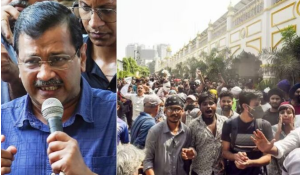
The Delhi Police on Monday removed Jantar Mantar from the list of officially designated protest sites. The police...
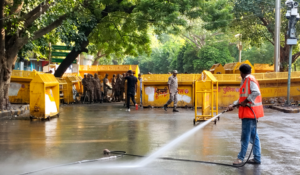
The Supreme Court on Monday clarified that it has not passed any judgment on the Election Commission's (ECI)...
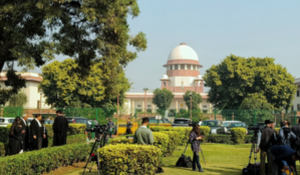
The Kerala Assembly passed a resolution demanding the removal of Chief Election Commissioner (CEC) Gyanesh Kumar from his...
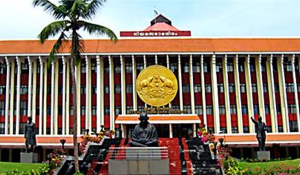
Amidst heavy security and barricades by the Delhi Police, INDIA Bloc leaders began a protest march towards the...
The Reserve Bank of India (RBI)'s new measures to curb speculation in the rupee and maintain stability in...