Last Updated: October 6, 2026
Last Updated: October 6, 2026





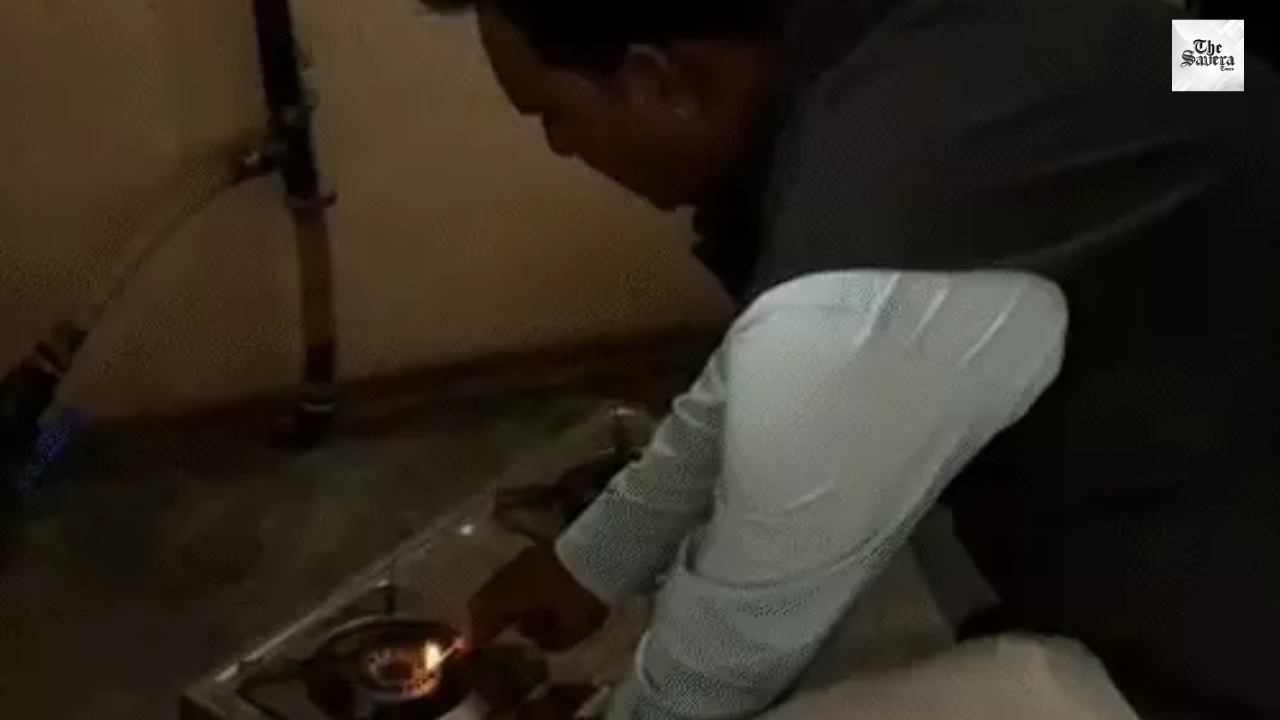
At a time when LPG supply concerns are being reported from different parts of the country, a village in Rajasthan has quietly built its own solution. Around 120 families here no longer rely on gas cylinders, having shifted entirely to biogas for their daily cooking needs.
What makes this village stand out is its scale almost every family has installed a small biogas plant. These units run on cattle dung and organic waste, ensuring a steady fuel supply right at home without depending on external agencies.
Villagers claim that many households have not booked an LPG cylinder for nearly four years. The locally produced gas has been sufficient for cooking, significantly cutting household expenses and eliminating supply worries.
Biogas plants require relatively low investment and use easily available raw materials like cow dung and water. Similar models in rural areas have shown that such systems can provide several hours of daily cooking fuel while also reducing fuel costs.
Apart from fuel, the residue left after gas production known as slurry is used as organic manure in fields. This reduces dependence on chemical fertilizers and improves soil quality, making the model both economical and environmentally friendly.
With rising fuel costs and supply uncertainties, this village is being seen as an example of self-sufficiency. Experts say such decentralized energy solutions can play a key role in reducing dependence on conventional LPG, especially in rural India.
The JDA has launched an anti-encroachment drive on New Sanganer Road in Jaipur, targeting illegal constructions linked to...
Jaipur: Rajasthan will hold its 2026 Panchayati Raj elections in four phases, with voting beginning on October 23 and...
Since taking charge as Mayor of the Jaipur Municipal Corporation, Sunil Kothari has stepped up field inspections of...
Sabarkantha Police seized 967 cannabis plants weighing 345.6 kg and valued at ₹1.72 crore from a farm in...

Rajasthan ACB arrested a Railway Senior Section Engineer and two Jaipur Discom officials in a ₹10,000 bribery trap...

Jaipur: Rajasthan Police arrested three men from Madhya Pradesh in connection with the alleged recording and circulation of...