Last Updated: October 12, 2026
Last Updated: October 12, 2026





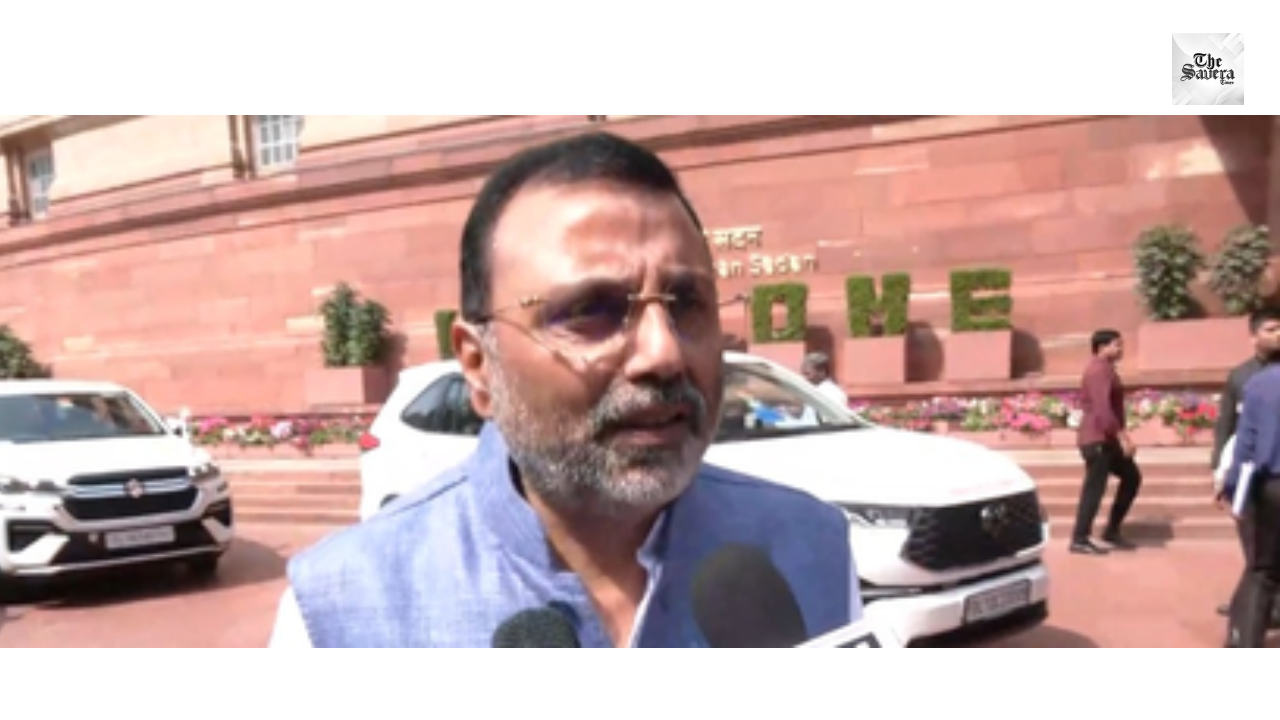
A political row has erupted after Nishikant Dubey, a senior leader of the Bharatiya Janata Party (BJP), questioned the diplomatic approach of former Prime Minister Rajiv Gandhi in handling India’s relations with Sri Lanka. Dubey cited historical letters and decisions related to the deployment and subsequent withdrawal of the Indian Peace Keeping Force (IPKF) as key points of concern.
His remarks have reignited discussions over one of the most controversial chapters in India’s foreign policy, particularly the country’s involvement in Sri Lanka’s internal conflict during the late 1980s.
Dubey referred to correspondence from that period, claiming it reflected weaknesses in India’s diplomatic stance under Rajiv Gandhi’s leadership. He also questioned the decision-making process behind sending Indian troops to Sri Lanka and later withdrawing them.
The Indian Peace Keeping Force (IPKF) was deployed in Sri Lanka in 1987 following the Indo-Sri Lanka Accord, with the aim of stabilising the region and addressing the ethnic conflict. However, the mission became increasingly complex, leading to casualties and political backlash in India.
The withdrawal of the IPKF in 1990 has remained a subject of debate among political analysts and historians. Critics argue that the mission lacked clarity and long-term strategy, while others believe it was a necessary intervention under difficult circumstances.
Dubey’s comments highlight the BJP’s continued critique of past Congress-led foreign policy decisions, particularly those involving sensitive regional issues.
As of now, the Indian National Congress has not issued an official response to Dubey’s remarks. However, party leaders in the past have defended Rajiv Gandhi’s decisions, stating that they were taken in a complex geopolitical environment with the objective of ensuring regional stability.
Supporters of the former Prime Minister argue that the Indo-Sri Lanka Accord was a bold diplomatic step aimed at resolving a prolonged ethnic conflict and maintaining peace in the region.
Political observers believe the issue could trigger a fresh round of debate between the BJP and Congress, especially as historical decisions often resurface in contemporary political discourse.
The discussion around Rajiv Gandhi’s foreign policy, particularly regarding Sri Lanka, continues to evoke strong opinions across party lines. With elections and political narratives evolving, such remarks are expected to fuel further exchanges between rival parties.
Rajiv Gandhi’s tenure as Prime Minister is often assessed through a mix of achievements and controversies, including his handling of foreign relations. The Sri Lanka intervention remains one of the most debated aspects of his legacy.
Dubey’s statements have once again brought focus on historical policy decisions, underlining how past diplomatic moves continue to shape present-day political conversations in India.
New Delhi: The Indian Navy’s guided missile stealth frigate INS Trishul has arrived at the United Kingdom’s Plymouth...
Chandigarh: The Aam Aadmi Party (AAP) Punjab on Sunday condemned the Delhi Police action against protesters in the...
Tehran: Iranian Foreign Minister Seyed Abbas Araghchi said on Sunday the US-Israeli attacks on Iran’s oil, refinery, and...
Bhopal: The CBI arrested an official of the CGST and Central Excise department in Bhopal for taking a...

New Delhi: Leader of the Opposition in the Lok Sabha, Rahul Gandhi, on Sunday released a video on...
Mumbai: Shweta Bachchan Nanda once opened up about how the entry of Aishwarya Rai changed the dynamics in...

Aries: The day will be auspicious...