Last Updated: October 15, 2026
Last Updated: October 15, 2026





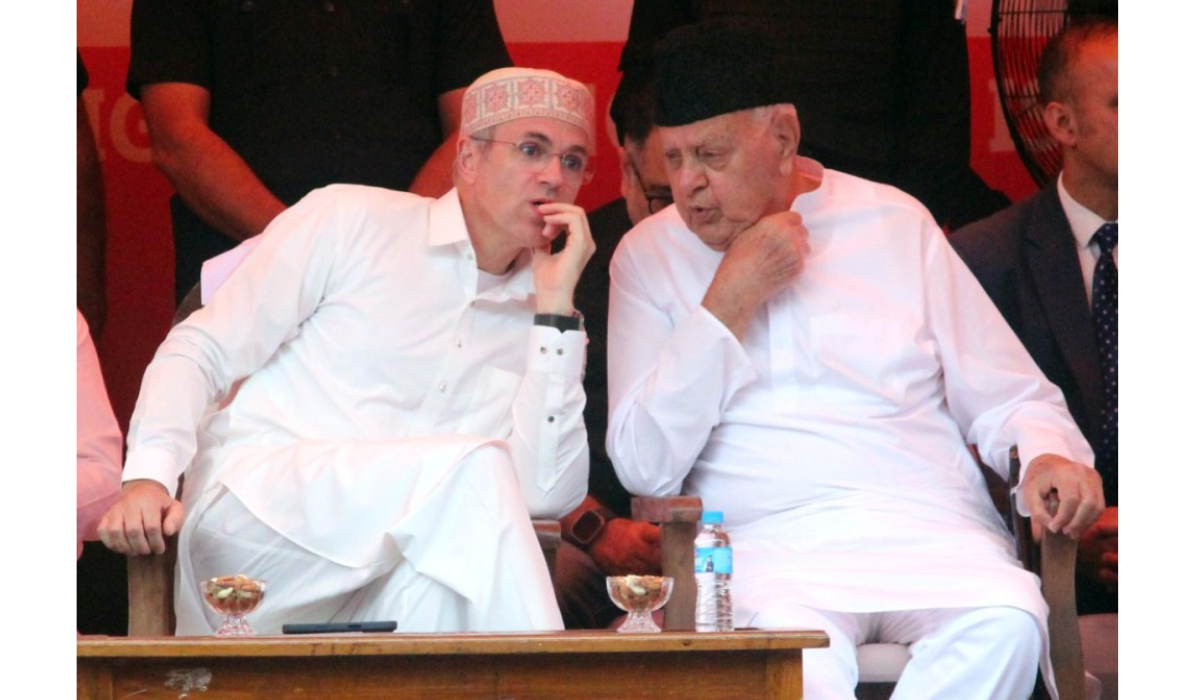
Is it a coincidence that Dr Farooq Abdullah, former Chief Minister of Jammu and Kashmir and president of the ruling National Conference, has decided to stage a protest in Delhi demanding the restoration of statehood? The timing certainly invites scrutiny. Barely days after a letter surfaced in which Abdullah was among the signatories urging New Delhi and Islamabad to end their “prolonged hostility”, arguing that it was denying millions of young people opportunities, prosperity and a secure future, he wrote to 52 prominent political leaders inviting them to join a protest at Jantar Mantar on July 20, the opening day of the Monsoon Session of Parliament. The invitees include almost the entire Opposition spectrum and his INDIA bloc allies — Sonia Gandhi, Rahul Gandhi, Mamata Banerjee, Akhilesh Yadav, C. Joseph Vijay, Sharad Pawar, Uddhav Thackeray, Naveen Patnaik, Asaduddin Owaisi, Arvind Kejriwal, CPI(M) General Secretary M.A. Baby and several others. BJP leaders from Jammu and Kashmir have also been invited. But the most striking name on the list is that of Hurriyat Conference chairman Mirwaiz Umar Farooq. The sequence of events comes at a time when Jammu and Kashmir has largely remained peaceful since the abrogation of Article 370 on August 5, 2019. Security challenges remain, but the Valley has witnessed a degree of stability that had eluded it for decades. The protest call also coincides with the deteriorating situation in Pakistan-occupied Kashmir (PoK), where public unrest against the Pakistani establishment has intensified. Reports suggest that protesters have faced a sweeping crackdown by Pakistani security forces, with dozens of people reportedly killed. Residents have complained of shortages of food, fuel and medicines following what local leaders describe as an economic blockade. Sardar Aman Khan, leader of the Joint Awami Action Committee (JAAC), has even appealed to New Delhi to send humanitarian assistance and open the Line of Control for relief. For Pakistan’s establishment, the unrest in PoK has become an embarrassment. At a time when it is facing criticism over its handling of the region, peace in Jammu and Kashmir only sharpens the contrast. Over the past few years, attempts to push terrorists across the border, revive militancy and create fresh disturbances have repeatedly been foiled by Indian security forces. Several infiltration bids have failed, while plans to create terror modules in different parts of the country have also been neutralised. The Valley itself has shown encouraging signs of recovery. Tourist arrivals, which had dipped sharply after the April 22, 2025 Pahalgam terror attack and the subsequent Operation Sindoor, have steadily picked up again. Businesses have revived, markets are bustling once more, and normal life has largely returned. It is against this backdrop that Abdullah’s protest call assumes significance. There is, of course, nothing objectionable about organising a peaceful protest. That is the essence of democracy. What raises eyebrows, however, is the decision to invite the Hurriyat Conference, an organisation long associated with separatist politics. Though much of its leadership has either been jailed, sidelined or has died, those who remain, including Mirwaiz Umar Farooq, have consistently favoured engagement with Pakistan and international intervention on the Kashmir issue. Equally noteworthy has been the Mirwaiz’s response to the developments in PoK. His comments have been measured, calling for “engagement and peaceful redressal”, but he has neither demanded protests against Pakistan nor sought international attention for the plight of the people there. The silence has not been confined to the Hurriyat. Farooq Abdullah, Omar Abdullah, Mehbooba Mufti, and several other mainstream Kashmiri leaders have been far more restrained in reacting to reports of repression in PoK than they usually are while commenting on security operations within Jammu and Kashmir. At a time when several PoK leaders themselves have sought India’s assistance, that silence has inevitably attracted attention. Instead of championing the cause of the people suffering across the Line of Control, Kashmir’s mainstream political leadership appears focused on mobilising opinion over statehood at a politically significant moment. History also explains why many people view such developments with caution. The years between 1988 and 1990 witnessed the rise of Pakistan-sponsored terrorism in Kashmir, targeted killings of those perceived to be pro-India and the forced exodus of Kashmiri Hindus. Dr Farooq Abdullah headed the government during much of that turbulent period. His administration failed in its primary duty of enforcing the rule of law as Pakistan-sponsored terrorism tightened its grip on the Valley.
Singapore: Two Singapore-registered container vessels were reportedly struck by unknown projectiles while transiting the Strait of Hormuz on...
Shimla: The Himachal Pradesh government has constituted a four-member commission to examine the reorganisation of administrative units in...
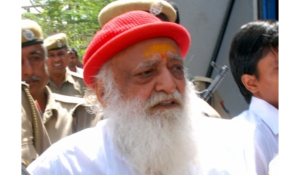
New Delhi: The Supreme Court on Wednesday listed for November 17 the appeal filed by self-styled godman Asaram...
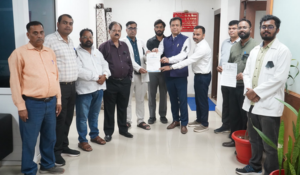
Ranchi: Doctors in Jharkhand launched a protest on Wednesday over a slew of demands concerning their safety and...
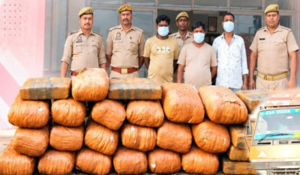
Greater Noida: Police and Anti-Narcotics Team in Uttar Pradesh’s Greater Noida have seized ‘ganja’ worth Rs 1 crore...
New Delhi: The Enforcement Directorate (ED) has attached assets worth Rs 2,032.81 crore belonging to Reliance Power Ltd...