Last Updated: October 22, 2026
Last Updated: October 22, 2026





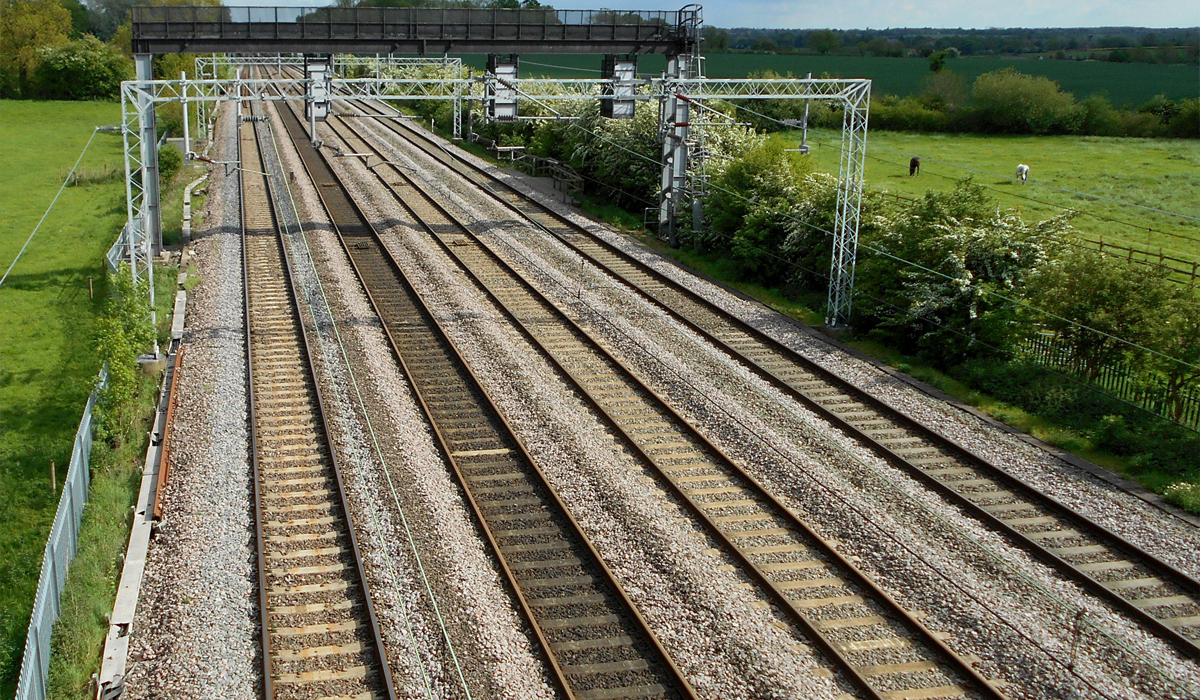
In a pioneering step toward renewable energy, Banaras Locomotive Works (BLW) in Varanasi has introduced a unique system of removable solar panels installed directly between railway tracks. Unlike traditional solar projects that rely on rooftops or new land, this initiative utilizes the unused space between rails, offering a novel way to harness clean energy without disrupting existing infrastructure.
The pilot project, launched on 15 August 2025, spans a 70-metre stretch with 28 high-efficiency solar panels capable of generating approximately 67 units of electricity per day. Mounted on rubber pads and secured with epoxy adhesive, the panels are designed to withstand the constant vibration of trains while remaining easily removable for maintenance.
According to BLW General Manager Naresh Pal Singh, “This is not just an energy project, but a way of rethinking existing infrastructure for sustainability. We are showing how Indian Railways can adapt without needing new land.” The idea behind the project originated from a simple question posed by BLW engineers: why leave so much valuable track space unused when it could generate electricity? With India’s railway network extending over 1.2 lakh kilometres, the potential for renewable energy generation from the unused track stretches is enormous. Rajesh Kumar, BLW’s Public Relations Officer, emphasized that such innovation could be replicated across the country to significantly increase clean energy output.
The 70-metre test stretch at BLW features 28 solar panels, each measuring 2,278 mm by 1,133 mm and weighing 31.83 kg. These panels use half-cut mono-crystalline PERC bifacial cells, which allow them to capture sunlight from both sides, improving efficiency even under diffuse lighting conditions. With a 21.31 percent efficiency rate and a projected lifespan of 25 years, the system is designed for Indian conditions, from heat and dust to the vibrations caused by passing trains. The panels generate enough electricity to power small railway offices or station facilities. Experts estimate that if replicated across even one kilometre of track, the system could produce around 880 units of electricity daily.
On a national scale, deploying solar panels along the Indian Railways network could produce enough energy to power hundreds of small towns, marking a transformational shift in renewable energy generation. Launching the pilot on Independence Day highlighted the symbolic connection between energy independence and national pride. Railway Minister Ashwini Vaishnaw described the initiative as a model for the future, emphasizing that the removable solar panel system is both an engineering achievement and a commitment to sustainable development.
The new system addresses several challenges traditionally associated with renewable energy projects. First, it avoids the need for land acquisition, one of the biggest hurdles in green energy implementation. Second, it is scalable—every kilometre of track could potentially serve as a clean energy source. Third, the panels are easily removable, allowing quick maintenance without disrupting train operations. Lastly, by contributing to India’s renewable energy targets, the project supports national commitments to achieve net-zero emissions by 2070 and meet 70 percent of energy demand from renewables by 2030.BLW, established in 1961 as Diesel Locomotive Works, has long been associated with innovation.
Over the years, it has transitioned to manufacturing electric locomotives, exported engines to over 11 countries, and implemented several green initiatives including rooftop solar installations, water recycling, and bio-toilet systems. The solar track pilot is the latest step in the organization’s ongoing sustainability journey. Bhardwaj Chaudhary, Chief Electrical Service Engineer at BLW, said, “This isn’t just about generating electricity. It’s about rethinking how we use existing spaces sustainably and inspiring other divisions to follow.” Despite its promise, the project faces hurdles. Dust and debris can reduce panel efficiency, and the system’s installation comes with high upfront costs. Scaling the initiative to India’s busiest tracks will require specialized training for railway staff and new maintenance procedures. However, officials remain confident that these challenges are manageable. A senior BLW official stated, “Every new technology comes with challenges.
Here, the potential clearly outweighs them.” Transportation accounts for a significant portion of greenhouse gas emissions, and Indian Railways is no exception. By converting its tracks into solar farms, the rail network could become a global model for sustainable mobility. The country has already signed agreements for 7.7 GW of renewable power supply and operates 209 MW of rooftop solar at over 2,000 sites.
If solar tracks become mainstream, they could offset emissions equivalent to removing millions of cars from the road annually. For Varanasi, a city known for its historic ghats and cultural heritage, the project adds a new identity as a sustainability pioneer. Ramesh Gupta, a technician at BLW for 20 years, remarked, “We used to only think about building engines. Today, we are building a future where trains themselves help power our lives. It makes me proud.
Good Evening Viewers! Get the latest updates from India and around the world with The Savera Times Evening...

Bharatiya Janata Party (BJP) National General Secretary Smriti Zubin Irani launched a scathing attack on Congress MP and...

New Delhi: Cockroach Janata Party (CJP) leaders Saurav Das and Ashutosh Ranka will be released from judicial custody...

According to police, three suspicious young men are seen in CCTV footage. Efforts are underway to identify them....

A video has surfaced of an alleged attempted assault on Jan Suraj Party's Bihar president Manoj Bharti. The...

Two accused have been convicted and sentenced to 10 years of rigorous imprisonment in a 2017 drug trafficking...

Aries: The day will be auspicious...