Last Updated: October 13, 2026
Last Updated: October 13, 2026





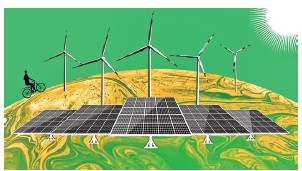
The global shift toward renewable energy is no longer a distant vision—it is a rapidly unfolding reality that promises environmental sustainability, economic growth, and energy security.
Countries around the world are embracing wind, solar, and hydroelectric power to reduce carbon emissions, combat climate change, and create new opportunities for innovation and jobs. One of the most compelling advantages of renewable energy is its environmental impact. Unlike fossil fuels, which release harmful greenhouse gases, renewable sources generate electricity with minimal carbon emissions. Solar farms in India’s Rajasthan desert and wind farms in Denmark illustrate how countries are harnessing natural resources to produce clean, reliable energy.
By replacing coal and oil with renewable energy, cities can significantly reduce air pollution, improving public health and slowing global warming. Economic growth is another key benefit. The renewable energy sector is becoming a major source of employment worldwide. Engineers, technicians, and project managers are in high demand, creating thousands of new jobs. In the United States, solar energy alone employs over 250,000 people, a number expected to grow as technology advances. Countries investing in renewable infrastructure are also attracting international investment, fostering innovation, and building long-term economic resilience. Energy security is strengthened through diversification.
By generating electricity from local renewable sources, nations reduce dependence on imported fossil fuels, enhancing stability and resilience against geopolitical disruptions. Countries like Germany and Brazil have strategically invested in renewable grids, achieving impressive levels of energy independence while maintaining affordability for consumers. Technological innovation is driving further positive change. Advances in battery storage, smart grids, and offshore wind turbines are increasing efficiency and reliability. Communities can now store excess solar energy during the day and use it at night, ensuring uninterrupted power supply.
Innovations in floating solar panels, bioenergy, and hybrid systems are expanding possibilities even further, demonstrating that renewable energy is adaptable to diverse environments and scales. Community involvement and social benefits also stand out. Local solar cooperatives, wind initiatives, and government incentives enable citizens to participate directly in the green energy transition. Schools, businesses, and households adopting renewable systems contribute to sustainability while lowering electricity costs. Beyond financial benefits, these initiatives inspire awareness and action, fostering a culture of environmental stewardship.
Good Evening Viewers! Stay updated with The Savera Times Evening Bulletin for the latest news from Punjab, India...

eader of the Opposition in the Lok Sabha, Rahul Gandhi and 10 other INDIA bloc leaders have moved...

Amidst protests in central Delhi, the Delhi Metro Rail Corporation (DMRC) announced the reopening of entry and exit...

The Delhi Police has registered an FIR regarding the alleged disturbance at the Bangla Sahib Gurdwara in...

The Delhi Police on Monday removed Jantar Mantar from the list of officially designated protest sites. The police...

The Supreme Court on Monday clarified that it has not passed any judgment on the Election Commission's (ECI)...

Aries: The day will be auspicious...