


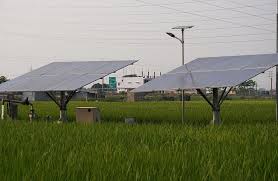
India’s renewable energy sector is undergoing rapid transformation, with rural areas playing a crucial role in adopting solar, wind, and biomass solutions. Villages across states such as Tamil Nadu, Rajasthan, and Madhya Pradesh are witnessing the deployment of decentralized renewable energy systems, bringing electricity access, reducing dependence on fossil fuels, and enhancing local livelihoods.
Solar power has emerged as a cornerstone of rural electrification. Solar home systems, microgrids, and solar pumps for irrigation are replacing kerosene lamps and diesel generators.
The Indian government’s initiatives, including the Pradhan Mantri Kisan Urja Suraksha evam Utthaan Mahabhiyan (PM-KUSUM), promote solar pump installation for farmers, reducing energy costs and increasing productivity. Small-scale solar entrepreneurship has also flourished, enabling locals to operate solar-powered shops, cold storage units, and battery charging stations.
Wind energy contributes significantly in states with favorable topography. Community wind projects not only provide electricity but also generate employment and skill development opportunities. Biomass-based systems use agricultural residues, providing clean energy while addressing waste management challenges. These decentralized systems reduce transmission losses and offer reliable electricity even in remote areas where grid connections are unstable.
The transition to renewable energy has economic, environmental, and social benefits. Clean energy reduces greenhouse gas emissions, mitigates climate change, and decreases reliance on costly fossil fuels.
Economically, households save money on fuel and electricity bills, while farmers gain from efficient irrigation and better crop yields. Socially, improved energy access enhances education, healthcare, and digital connectivity.
Challenges remain in financing, maintenance, and technological adaptation. Many rural communities lack the upfront capital to install renewable systems, and local capacity for repair and operation is limited. Governments, NGOs, and private firms are exploring innovative financing models such as microloans, community cooperatives, and public-private partnerships to overcome these barriers. Training programs for local technicians ensure sustainability of the systems.
In conclusion, renewable energy adoption in rural India is more than an environmental initiative; it is a driver of rural development.
By expanding access to clean, reliable, and affordable energy, villages can become centers of sustainable growth. Continued investment, policy support, and community participation will be essential to achieve a long-term, equitable energy transition.