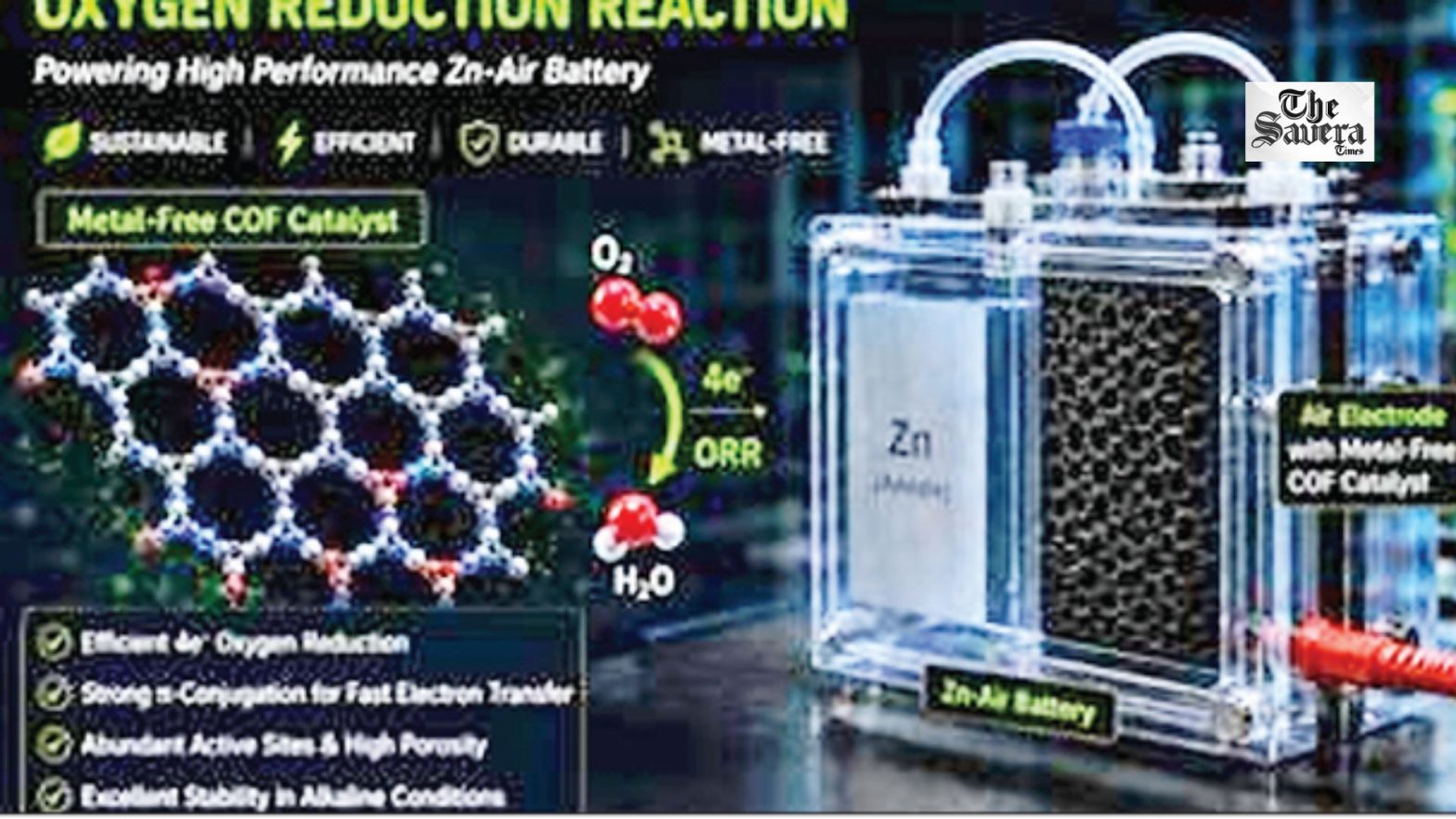
A team of Indian researchers developed a metal free porous material that can perform nearly as well as platinum as a catalyst in zinc air batteries that can significantly lower costs for next generation clean energy technologies. The material, named TTT DHTD and built from abundant elements including carbon, sulfur, nitrogen and hydrogen, forms an.
Union Petroleum Minister Hardeep Singh Puri said biofuels will be central to India's energy transition, reducing crude oil imports, boosting farmers' income and strengthening the country's journey towards energy self-reliance.
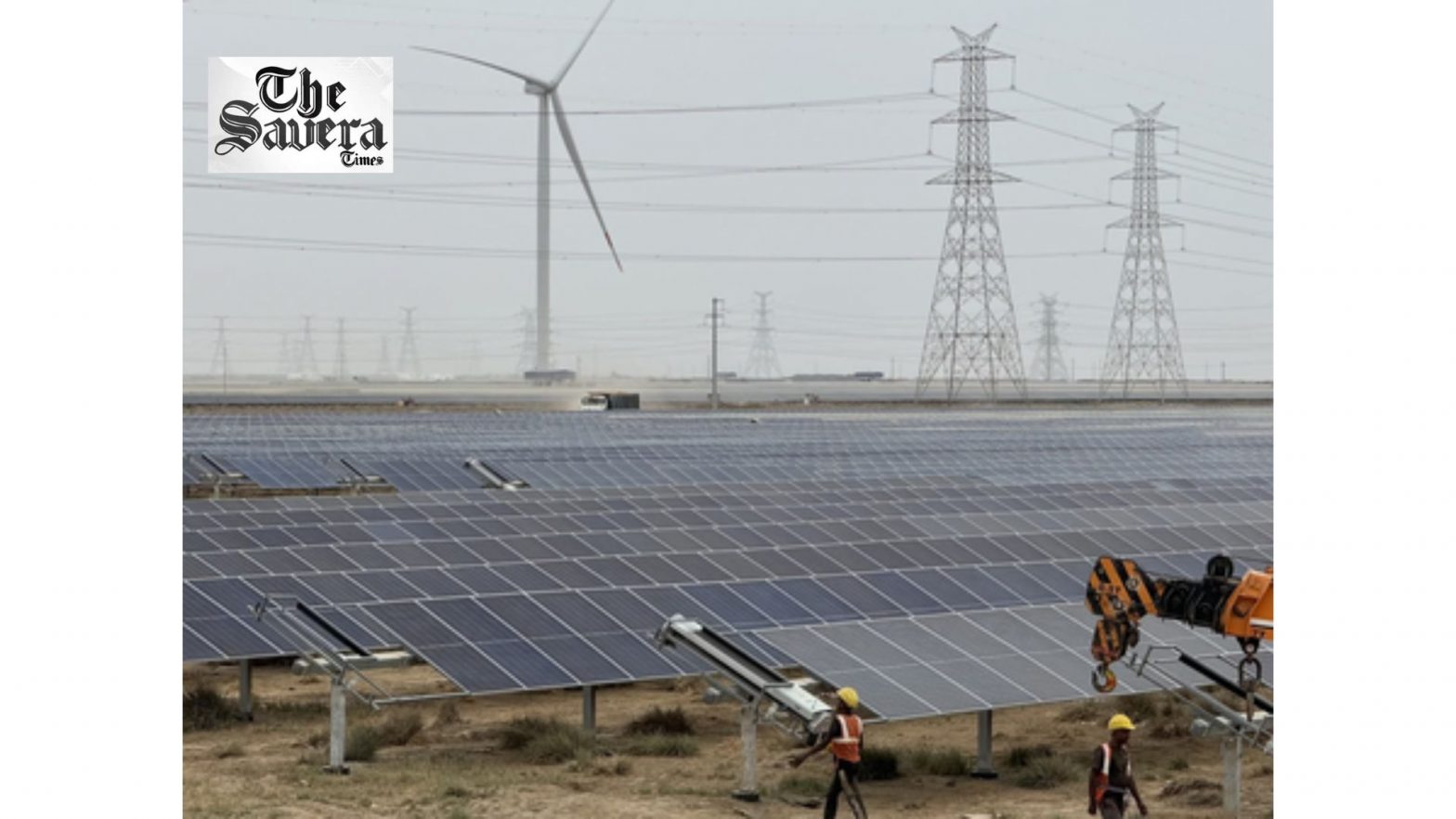
Gandhinagar: Gujarat has emerged as India’s leading renewable energy state, contributing 17.82 per cent of the country’s total installed renewable energy capacity with a cumulative capacity of 50.386 GW, according to figures released by the state government ahead of Global Energy Independence Day on July 10. The achievement comes as India works towards its target.
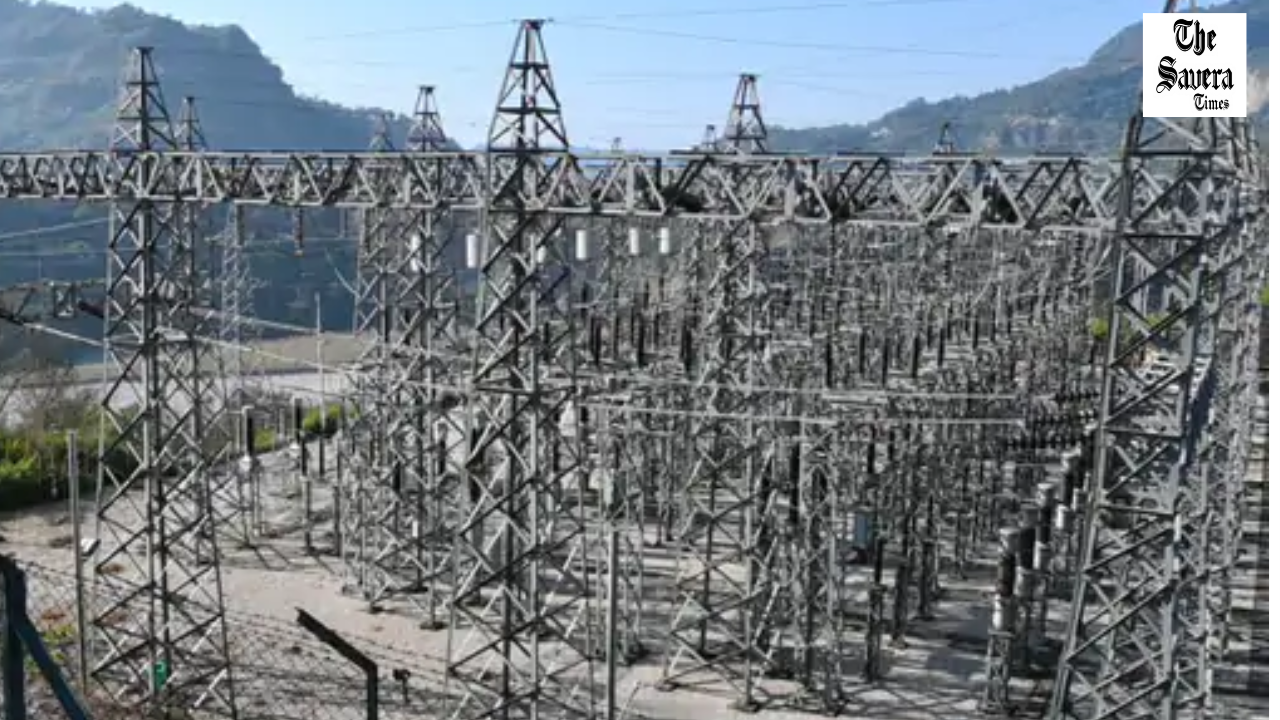
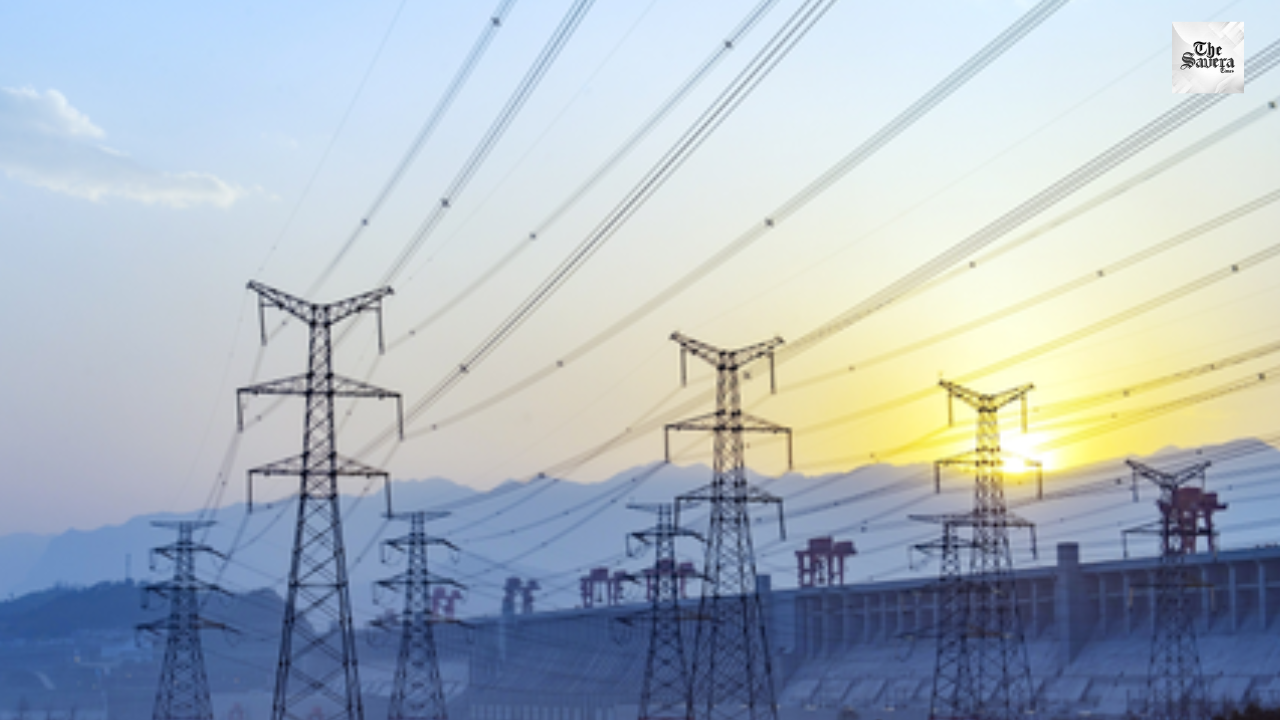
The Uhal Stage-3 Hydroelectric Project located in Joginder Nagar, Mandi District has become a significant milestone for the power sector of Himachal Pradesh.
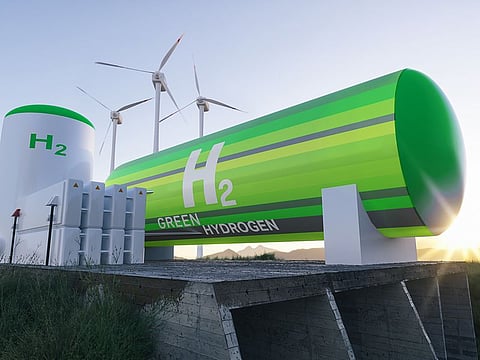
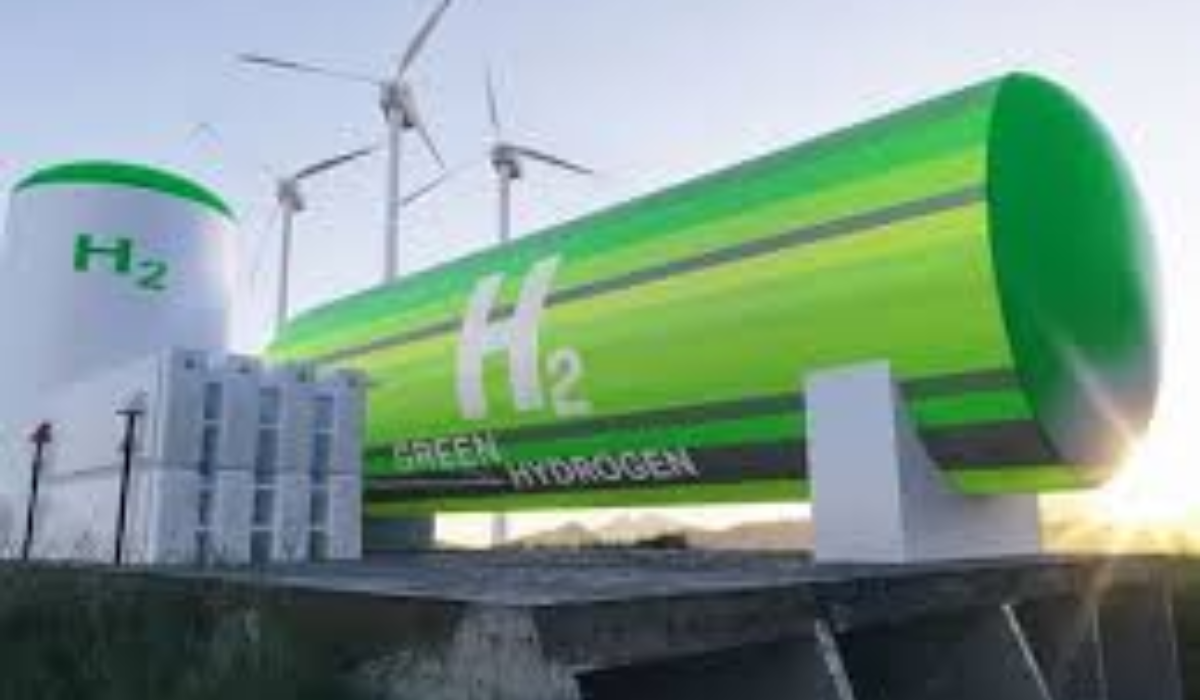
Researchers have developed a durable new catalyst that produces clean hydrogen without relying on expensive platinum metals. The breakthrough could make renewable hydrogen fuel cheaper, more efficient, and easier to scale for realworld energy use. Renewable energy sources can cut harmful emissions, reduce reliance on fossil fuels, and improve efficiency. However, many clean energy technologies.
New Delhi: As petrol and diesel prices were raised by Rs 3 per litre on Friday, experts said that the fuel price hike could accelerate investment in renewable energy and diversified supply chains. Dr. Manoranjan Sharma, Chief Economist at Infomerics Ratings, said the hike could push inflation higher by raising transportation and production costs, translating.
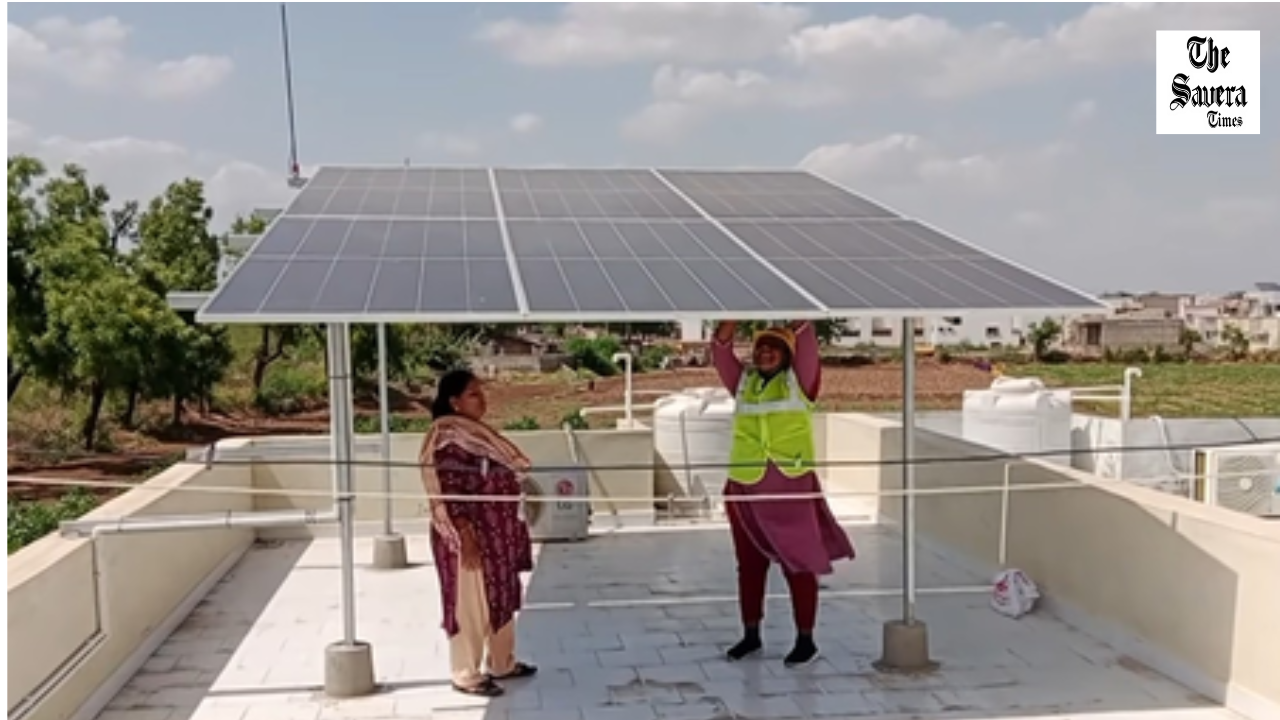
Prime Minister Narendra Modi has said that India’s solar revolution is now reaching every corner of the country, driven by the success of the PM Surya Ghar: Muft Bijli Yojana. He highlighted that the scheme is transforming how households consume energy by making solar power more accessible and affordable. The Prime Minister emphasized that the.
India has achieved a major milestone in its energy sector, with the country’s total installed power generation capacity reaching around 524 gigawatts (GW), making it effectively power-sufficient, according to government sources. Record growth in power capacity The government highlighted that India’s installed power capacity has witnessed rapid expansion in recent years, crossing the 520 GW.
India’s renewable energy sector is undergoing rapid transformation, with rural areas playing a crucial role in adopting solar, wind, and biomass solutions. Villages across states such as Tamil Nadu, Rajasthan, and Madhya Pradesh are witnessing the deployment of decentralized renewable energy systems, bringing electricity access, reducing dependence on fossil fuels, and enhancing local livelihoods. Solar.
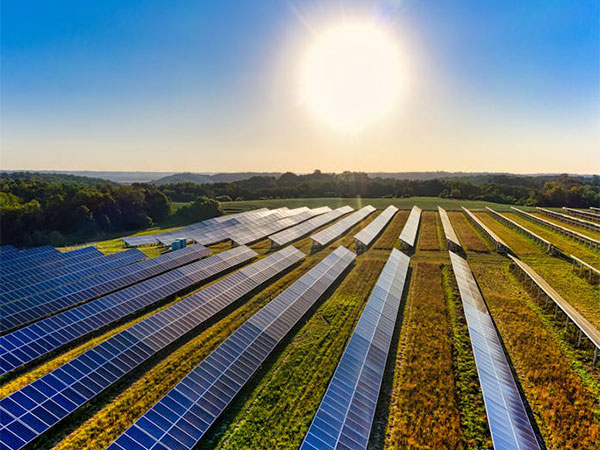
Renewable energy is central to addressing climate change, energy security, and sustainable development. Solar, wind, hydro, and bioenergy sources provide cleaner alternatives to fossil fuels, reducing greenhouse gas emissions while meeting growing global energy demands. Solar energy is expanding rapidly due to falling costs, improved efficiency, and government incentives. Photovoltaic panels convert sunlight directly into.