Last Updated: October 15, 2026
Last Updated: October 15, 2026





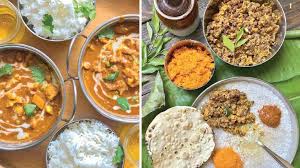
India’s culinary heritage is one of the most diverse and rich in the world. Each state, district, and even village boasts unique flavors, ingredients, and cooking techniques. In recent years, there has been a growing movement to revive traditional Indian cuisine, blending heritage with modern gastronomic trends.
Culinary tourism is playing a pivotal role in this revival. Tourists traveling to regions such as Rajasthan, Kerala, and West Bengal are increasingly seeking authentic local dishes rather than standardized menus. This demand has prompted chefs, restaurants, and local communities to highlight indigenous ingredients and recipes.
Regional specialties like Rajasthani Laal Maas, Kerala Sadya, Assamese Khar, and Bengali Paturi are being rediscovered and presented in contemporary formats. Culinary festivals, cooking classes, and farm-to-table experiences have emerged as platforms for both promotion and preservation of these culinary traditions.
Social media and digital platforms have further amplified awareness. Instagram, YouTube, and food blogs showcase street foods, heirloom recipes, and forgotten cooking techniques. Home cooks, traditional chefs, and small-scale producers are reaching wider audiences, promoting regional diversity and sustainable practices.
Government initiatives have also contributed. Programs promoting geographical indication (GI) tags for foods like Bikaneri Bhujia, Mysore Pak, and Darjeeling Tea protect authenticity and provide economic benefits to local producers. Tourism boards collaborate with culinary experts to organize food trails, heritage dining experiences, and interactive workshops for visitors.
Urbanization and globalization initially threatened traditional cuisines as fast food and processed foods became popular. However, rising health consciousness, preference for locally sourced ingredients, and interest in culinary history are reversing this trend. Young chefs are experimenting with traditional recipes, creating fusion dishes that appeal to modern palates without losing authenticity.
The revival of traditional cuisine also supports economic empowerment. Small-scale farmers, spice cultivators, and local artisans benefit from increased demand for authentic ingredients. Women, who play a central role in home cooking, are also becoming entrepreneurs, launching packaged food products, cooking classes, and catering services based on traditional recipes.
Challenges include maintaining consistency, meeting modern food safety standards, and ensuring sustainable sourcing. Culinary institutions, food scientists, and local communities are collaborating to document recipes, standardize production, and innovate while retaining heritage value.
Punjab AGTF and Haryana STF arrested Gurlal Singh in connection with Ajmeet Singh’s September 11 murder in Naushera...

Uttar Pradesh Police arrested a 28-year-old alleged criminal after an encounter in Noida’s Sector 63. Police said around...

Indian equity benchmarks opened higher on Thursday, with the Sensex rising 183.91 points and the Nifty gaining 48.60...

Union Home Secretary Govind Mohan has tendered an unconditional apology to the Supreme Court over alleged non-compliance with...

Union ministers and chief ministers paid tribute to former President APJ Abdul Kalam on his birth anniversary, recalling...

Start your day with The Savera Morning Brief, bringing you the latest headlines and important developments from India...

Aries: The day will be auspicious...