Last Updated: October 21, 2026
Last Updated: October 21, 2026





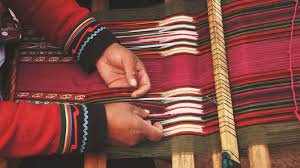
India has a rich legacy of handloom weaving that dates back centuries. From the intricate silk weaves of Varanasi to the cotton ikats of Odisha, handloom fabrics have been a symbol of cultural identity and craftsmanship. However, the handloom industry has faced numerous challenges in recent decades, including competition from power looms, declining patronage, and low wages for artisans. Despite these hurdles, efforts are underway to revive and sustain this sector, which employs millions and represents India’s cultural heritage.
Handloom weaving is more than a commercial activity; it is a livelihood for over 4.5 million weavers in India, predominantly in rural areas. The products range from sarees, dupattas, and scarves to home furnishings, each reflecting local techniques and traditions. However, mechanized textile production and cheaper imported fabrics have threatened the competitiveness of handloom products.
Government initiatives have played a crucial role in revitalizing the handloom sector. Programs like the Handloom Mark Scheme ensure quality certification, while the National Handloom Development Programme offers financial support, skill development, and marketing assistance. E-commerce platforms such as Amazon Karigar and Craftsvilla have further expanded the reach of artisans, connecting them directly to national and global customers.
Skill development is key to the sector’s revival. Workshops and training programs are being organized to improve design, finishing techniques, and business acumen. Young designers are collaborating with traditional weavers to create contemporary products that appeal to modern consumers, blending heritage with market relevance. These collaborations are helping handloom products compete in urban and international markets.
Financial sustainability remains a major concern. Many artisans lack access to working capital, forcing them to rely on middlemen who buy their goods at low prices. Microfinance initiatives, cooperative societies, and government subsidies aim to bridge this gap, enabling artisans to retain a larger share of profits and reinvest in their craft.
Marketing and branding are equally important. Regional handloom clusters like Kanchipuram, Bhagalpur, and Pochampally are being promoted as heritage brands. Government-backed fairs, exhibitions, and cultural festivals provide platforms for artisans to showcase their products.
We are very proud that at present India is the number one country in the world by surpassing...

Every investor wants the wealth-creating power of equity and the reassuring stability of debt. Balanced Advantage Funds attempt...

Tourism is a major source of government revenue in our country. There are different types of tourism. Scenic...

Good Evening Viewers! Catch up on the day's biggest stories with The Savera Times Evening Bulletin. Get the...

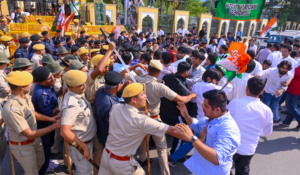
Congress leaders continued their protest outside the Jaipur Police Commissionerate on Tuesday, demanding the registration of a zero...
On the auspicious occasion of Vijayadashami, Prime Minister Narendra Modi on Tuesday called on the countrymen to unite...
Aries: The day will be auspicious...