Last Updated: October 15, 2026
Last Updated: October 15, 2026





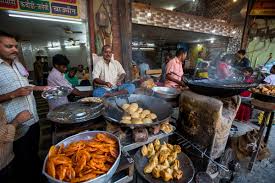
In recent years, India has witnessed a significant shift in its urban economic landscape. Young graduates and professionals, confronted with limited formal employment opportunities, are increasingly turning to street food vending as a viable source of income. What was once considered a survival strategy has now evolved into a form of entrepreneurship, reshaping local economies and urban culture. The motivations behind this trend are multifaceted.
For many, it is a response to the inadequacy of traditional jobs. High competition in corporate sectors, delayed salaries, and stagnant wages have pushed educated youth to explore self-employment. Street food vending provides an immediate, low-investment opportunity, with potential for steady earnings. The sector also allows flexibility, enabling young entrepreneurs to balance family responsibilities or pursue other ventures alongside vending. Cultural factors also contribute to this rise.
Indian cities have long embraced street food as a staple of urban life. Popular snacks like chaat, momos, pav bhaji, and biryani are not merely food items but cultural symbols, drawing large crowds across cities like Delhi, Mumbai, and Bangalore. For young vendors, offering innovative variations or hygiene-conscious versions of traditional dishes becomes a unique selling proposition, allowing them to carve out niche markets.Economic implications of this trend are significant. Street food vending has created a ripple effect on supply chains, from local farmers and small-scale suppliers to logistics providers.
It encourages micro-entrepreneurship, fosters skill development, and reduces urban unemployment. According to government estimates, the informal food sector employs millions and contributes substantially to urban economies. Some state governments are also recognizing this potential, offering licenses, skill training, and infrastructure support to legitimize street food businesses.However, challenges persist. Street vendors often face harassment from municipal authorities, lack access to affordable credit, and struggle with inconsistent electricity, water, and sanitation facilities. Competition is fierce, and profit margins are thin.
Weather disruptions and seasonal fluctuations in foot traffic can significantly affect earnings. Many vendors also lack formal training in food safety, which can impact public health.Despite these hurdles, success stories are emerging. Young entrepreneurs who combine culinary innovation with digital marketing are turning street food into scalable businesses. Social media platforms amplify their reach, and food delivery apps enable them to expand beyond local markets. Some even evolve into branded outlets, contributing to local tourism and urban cultural identity.
The rise of street food entrepreneurship in India highlights a broader socio-economic trend: the blending of necessity-driven self-employment with innovation and urban culture. It represents a reimagining of traditional livelihoods in the modern economy. For policymakers, supporting this sector through financial inclusion, legal recognition, and urban infrastructure is essential. Doing so not only empowers youth but also strengthens the resilience of urban economies.
Mumbai Police has issued a 'Leave India' notice to Bollywood superstar Aamir Khan's nephew and actor Imran Khan....

Ram Kumar Singh, a 71-year-old retired Customs officer, was shot dead outside his home in Ara’s Kanakpuri locality....

Punjab AGTF and Haryana STF arrested Gurlal Singh in connection with Ajmeet Singh’s September 11 murder in Naushera...

Uttar Pradesh Police arrested a 28-year-old alleged criminal after an encounter in Noida’s Sector 63. Police said around...

Indian equity benchmarks opened higher on Thursday, with the Sensex rising 183.91 points and the Nifty gaining 48.60...

Union Home Secretary Govind Mohan has tendered an unconditional apology to the Supreme Court over alleged non-compliance with...

Aries: The day will be auspicious...