Last Updated: October 20, 2026
Last Updated: October 20, 2026





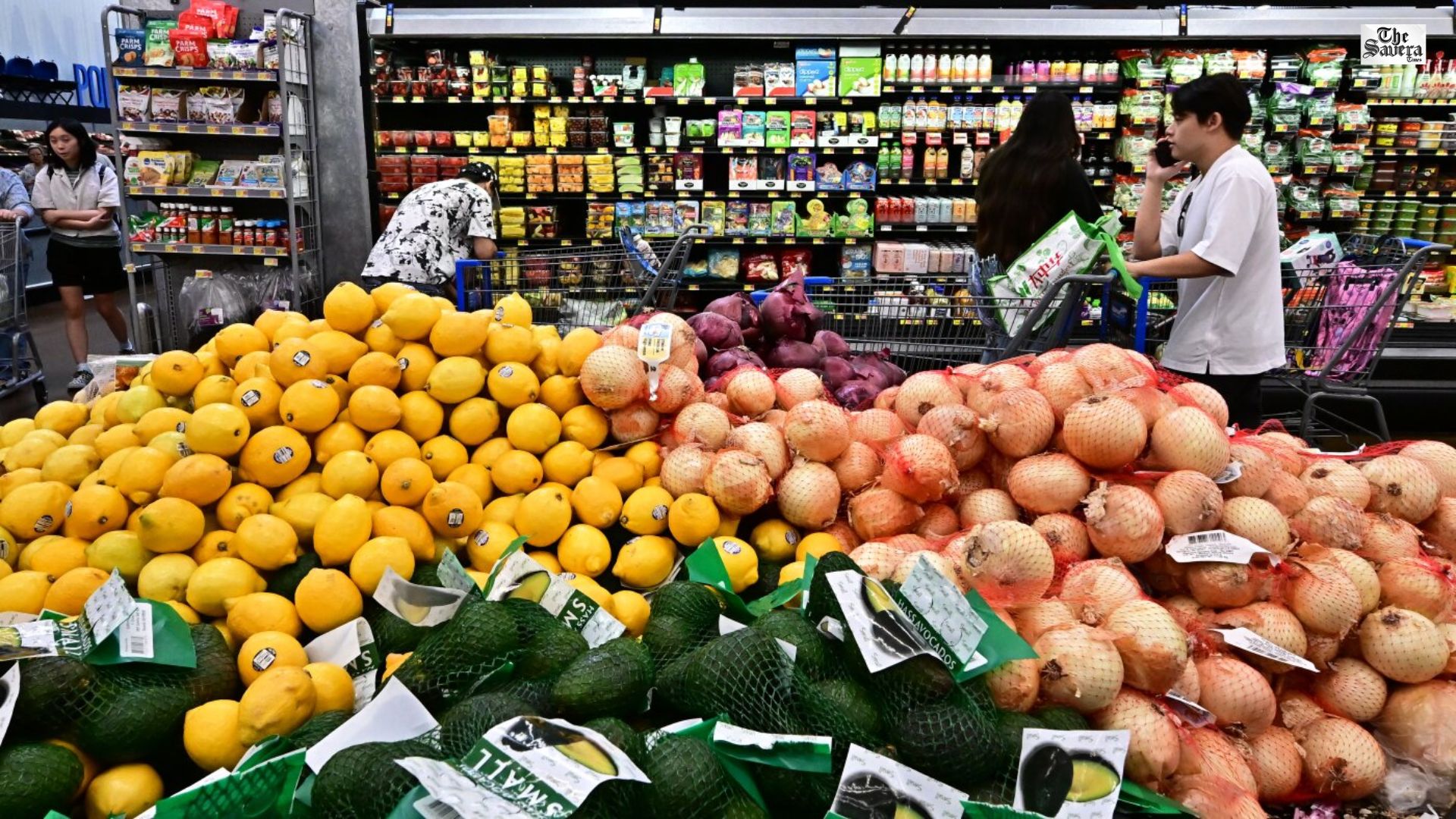
Washington: Consumers across the United States are facing growing financial pressure as prices of groceries, gasoline and other daily essentials continue to rise amid accelerating inflation and global energy disruptions.
According to the latest data released by the US Bureau of Labor Statistics (BLS), the Consumer Price Index (CPI) rose 3.8 percent in the 12 months ending April, marking the fastest annual inflation rate since 2023. Monthly inflation also increased by 0.6 percent in April, driven largely by rising energy and food costs.
Fuel Prices and Energy Costs Driving Inflation Higher
Economists have linked the recent rise in inflation to geopolitical tensions in the Middle East and disruptions to oil shipments through the Strait of Hormuz, one of the world’s key energy routes.
The BLS reported that the energy index increased 17.9 percent over the past year, while gasoline prices surged 28.4 percent. National average fuel prices have reportedly crossed 4.50 US dollars per gallon, according to the American Automobile Association.
Experts said rising fuel prices are impacting nearly every sector of the economy, as higher transportation and shipping costs eventually increase the prices of groceries, consumer goods and travel.
Grocery and Housing Costs Add Pressure on Families
Food prices have also continued to rise steadily across the country. The BLS said the “food at home” index, which tracks grocery inflation, rose 0.7 percent in April alone. Prices of beef, coffee, fruits and vegetables recorded notable increases.
Consumers have expressed concern over shrinking purchasing power as living costs continue to outpace income growth. Shelter costs, including rent and housing expenses, also increased during the month.
According to BLS data, real average hourly earnings fell 0.5 percent from March to April and declined 0.3 percent compared to April 2025, indicating that wage growth is failing to match inflation.
Many households are now reportedly cutting back on spending, delaying major purchases and relying more on credit cards to manage daily expenses.
Nearly 100 new cases of dengue have been reported in Pakistan's Khyber Pakhtunkhwa province in the last 24...

Following violent protests and looting in France, the government has decided to impose new curfews in different areas...

North Korea on Tuesday strongly criticized the ongoing joint military exercises between South Korea and the United States,...

US Secretary of State Marco Rubio said on Tuesday that India and the US are very close to...

US Secretary of State Marco Rubio arrived in Mumbai on Tuesday for his second visit to India. During...

Defense Minister Rajnath Singh on Tuesday described terrorism as one of the most serious threats to peace and...
Aries: The day will be auspicious...