Last Updated: October 21, 2026
Last Updated: October 21, 2026





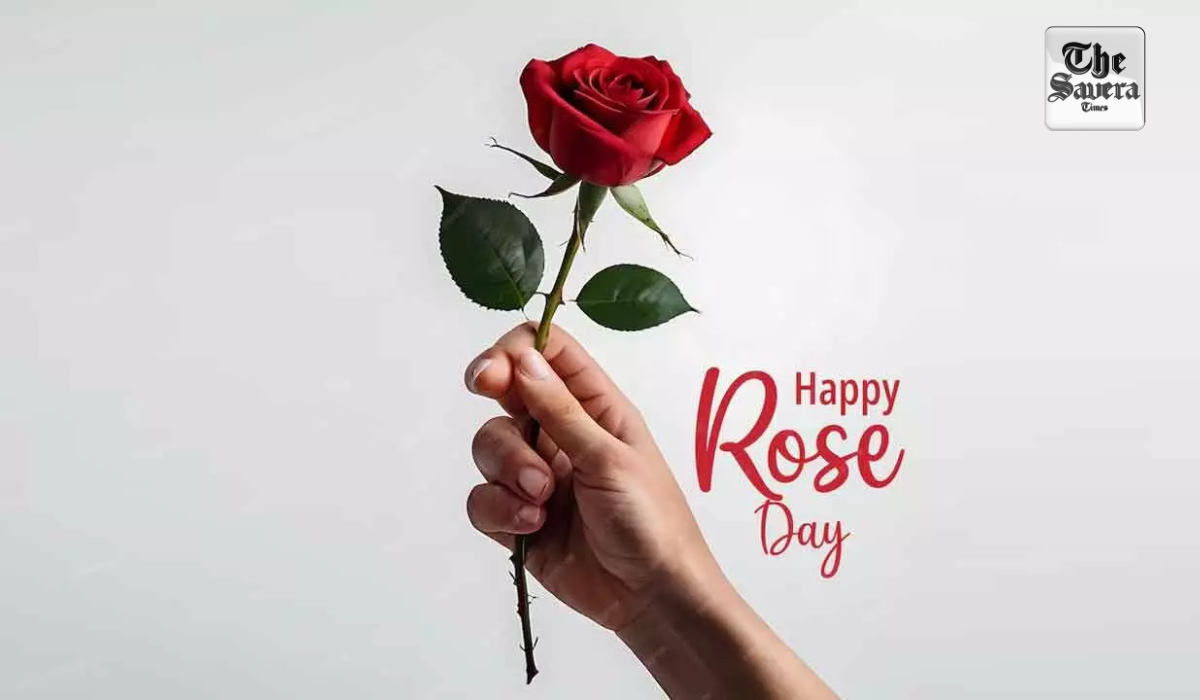
More than a gift, a quiet language of emotions
Every year on February 7, Rose Day quietly opens the door to Valentine’s Week. Florists line their shops with fresh blooms, social media fills with red hearts, and roses exchange hands across cities. Yet beyond the romance and rituals, the rose continues to hold meaning far deeper than a one-day celebration.
On Rose Day, the flower becomes a language—one that speaks when words fall short.
A Flower With Centuries of Meaning
The rose has been a symbol of emotion for thousands of years. In ancient civilizations, it stood for love, beauty, secrecy, and even sacrifice. Over time, different colours of roses came to represent different feelings—red for love, pink for admiration, white for peace, yellow for friendship.
What makes the rose special is its simplicity. A single stem can carry a message without explanation. In a world dominated by instant messages and emojis, the act of handing over a rose still feels personal and intentional.
Why Roses Still Matter in a Digital Age
Modern communication is fast and constant, yet often emotionally distant. A rose, on the other hand, demands presence. It has to be chosen, held, and given. That physical act makes it meaningful.
Psychologists say that tangible gestures—like gifting flowers—create stronger emotional impact than digital expressions. The sight, scent, and touch of a rose activate sensory memory, making the moment more memorable.
Unlike expensive gifts, a rose doesn’t try to impress. It simply expresses.
The Emotional Power of Small Gestures
Rose Day isn’t only about romantic partners. Many people now give roses to parents, friends, teachers, or even to themselves. This shift reflects a growing understanding that affection isn’t limited to romance.
A rose can say “I appreciate you,” “I remember you,” or “I’m here.” In relationships strained by time and distance, such small gestures can rebuild warmth.
Mental health experts note that acts of giving—however small—boost emotional wellbeing. Giving a rose can create a moment of connection, reducing feelings of loneliness for both the giver and the receiver.
Roses and the Idea of Self-Love
An emerging trend around Rose Day is self-gifting. Buying a rose for oneself is no longer seen as odd. For many, it is an act of self-acknowledgement—a reminder that love doesn’t always have to come from outside.
In a culture that often ties happiness to external validation, such quiet acts of self-kindness carry their own strength.
Beyond One Day
Critics often dismiss Rose Day as commercial, but the flower itself remains timeless. The problem is not the celebration—it is forgetting the meaning once the day passes.
A rose wilts, but the feeling it represents doesn’t have to.
This Rose Day, the flower is not just a symbol of romance. It is a reminder that emotions—when expressed sincerely—don’t need grand gestures. Sometimes, all it takes is a single rose to say what truly matters.
Imagine a universe where stars still shine, planets still form and water exists, but liquids are so thick...

In This is the age of artificiality, of artificial intelligence. A few years ago, experiments were conducted to...

International clean air funding during 2023-24 showed a dual win for global public health, as targeted clean air...

Sri Krishna says, "He who has renounced action through yoga and dispelled his doubts with knowledge becomes established...

Two oxygen-producing compounds, including one that boosts performance in some laundry detergents, might one day play a key...

A significant loss of plant diversity could result in grasslands wor ldwide , including meadows and pastures, absorbing...

Aries: The day will be auspicious...