New Delhi: Russian Ambassador to India Denis Alipov on Friday criticised Western sanctions and proposed secondary tariffs targeting countries that continue to import Russian oil, saying the measures reflected “pressure tactics instead of honest cooperation”.
Speaking about India-Russia energy ties and the impact of Western sanctions and possible secondary sanctions on countries buying Russian oil, Alipov said the key issue was India’s ability to protect its national interests.
“The question from my point of view is how confident India is. But it has shown that it’s able to stand its ground and defend India’s national security and national interests,” Alipov said.
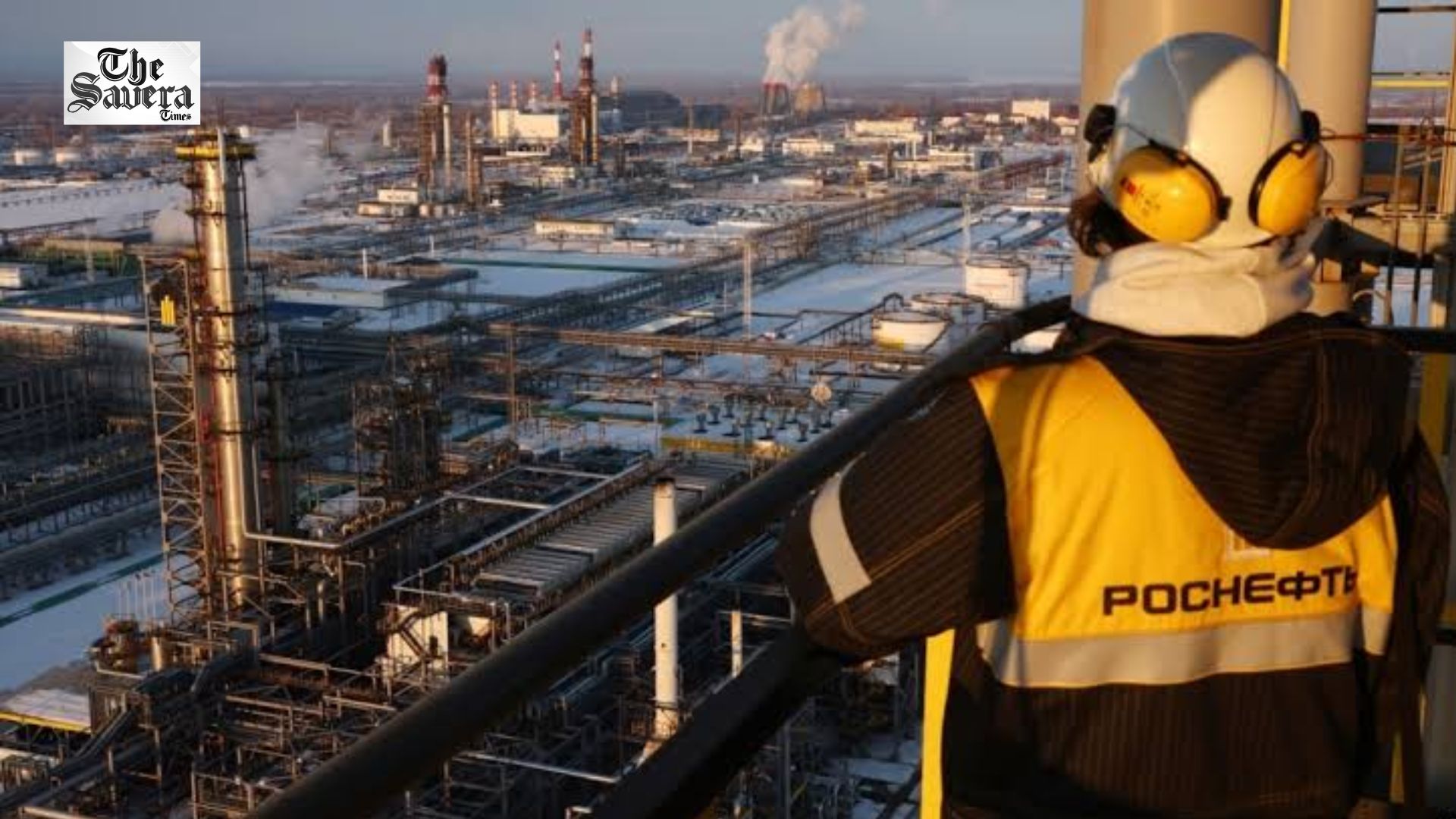
Russia ready to supply as much oil as India needs
Alipov said Russia was prepared to continue supplying India with as much oil as it required, stressing that energy interests remained a priority for New Delhi.
He said the interests of India were paramount when it came to sanctions and tariffs affecting cooperation between the two countries in oil supplies.
“We would be ready to supply as much oil as India needs,” the Russian envoy said.
Alipov also questioned why countries seeking to reduce India’s dependence on Russian crude did not offer a more competitive deal.
“Unfortunately, those who impose sanctions and tariffs have taken the path of pressure tactics instead of honest cooperation,” he said, adding that no country had so far been able to offer India a better oil deal than Russia.
According to Alipov, the continued availability of Russian crude would remain important for global energy markets.
“Generally, the world will not cope if Russian oil is excluded. The energy markets cannot afford that. Russian oil will stay in the market for India or for other countries,” he said.
Moscow confident of continued India-Russia energy ties
The Russian envoy said Moscow and New Delhi had a “clear picture” of how to continue their energy cooperation despite external pressure.
He said Russia remained interested in supplying oil, while India continued to need energy resources to meet its requirements.
“I am sure we will see a continuation of our mutually beneficial and fruitful cooperation on that track,” Alipov said.
His comments came amid growing pressure from Washington and its Western allies on countries importing Russian energy, particularly India and China.
Last month, the US Senate passed the bipartisan Lindsey O. Graham Sanctioning Russia and Iran Act of 2026 by an 86-11 vote.
The legislation authorises US President Donald Trump to impose tariffs of up to 100 per cent on goods from countries, including India and China, that continue significant imports of Russian oil and gas.
The proposed measures argue that such trade supports Russia’s economy and helps finance its military operations in Ukraine. The legislation would give the US President discretionary authority to impose tariffs of up to 100 per cent on imports from the five largest buyers of Russian crude oil or natural gas.
The bill also proposes additional sanctions against Russian President Vladimir Putin, senior political and military officials, financial institutions, energy projects and entities linked to Russia’s war effort.
India remains major buyer of Russian crude
India remains one of the largest buyers of Russian crude oil, alongside China, making any secondary tariffs a potentially significant issue for India-Russia energy ties.
However, US Presidential Counsellor Peter Navarro recently said Trump and Prime Minister Narendra Modi had a “very good working relationship” and would resolve issues related to tariffs linked to Russian oil.
Against this backdrop, Alipov said Moscow remained confident that India-Russia energy cooperation would continue, arguing that the two countries’ mutual interests would remain the key driver of their oil partnership despite pressure from outside.