


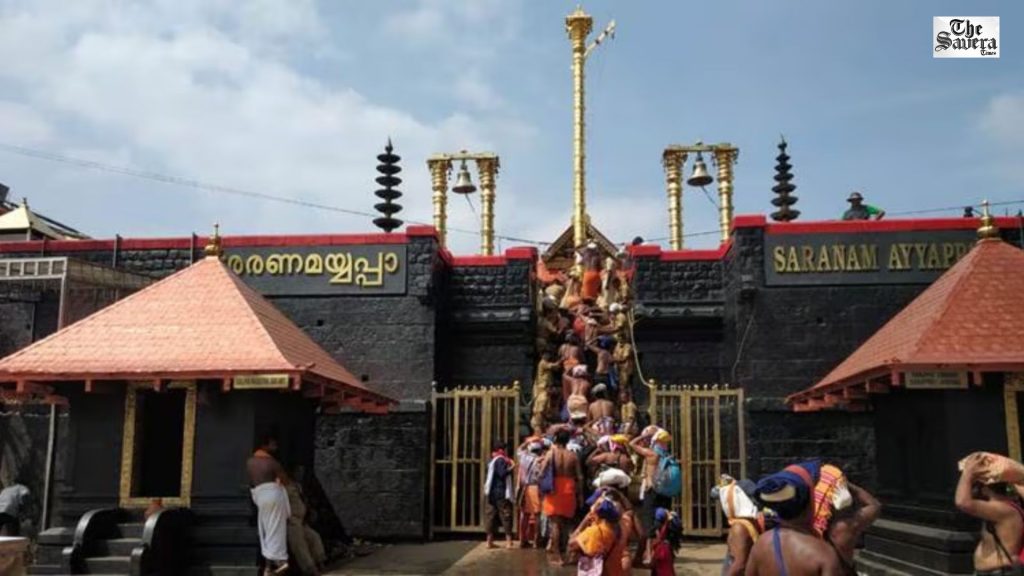
The Supreme Court of India on Day 8 of the Sabarimala reference hearing made significant observations on religious access. Justice B. V. Nagarathna stated that “a Hindu is a Hindu” and should be allowed to visit any temple, highlighting the need for inclusivity within the faith.
Debate Over Denominational Rights
A nine-judge Constitution Bench is examining key questions around religious freedom and denominational rights. The court is assessing whether temples can impose restrictions on entry based on specific customs, a matter that has sparked widespread legal and social debate.
Background of the Case
The current proceedings stem from the 2018 verdict on Sabarimala Temple, which allowed women of all age groups to enter the shrine. The decision led to protests and multiple review petitions, prompting the Constitution Bench to revisit broader constitutional issues.
Court Stresses Constitutional Balance
During the hearing, the bench emphasized the need to balance religious practices with fundamental rights such as equality and freedom of religion. It also cautioned against relying on unverified or informal sources in legal arguments.
Implications of the Verdict
The ongoing hearings are expected to have far-reaching consequences on how access to religious places is regulated in India. The final ruling could set a precedent for similar cases involving faith, tradition, and constitutional rights.