Recent changes to the Indian Penal Code sought to make bail easier and more accessible. A stipulation was that if the government unnecessarily delays presenting the case, the accused should be granted bail instead of being held in jail. Under this provision, some accused in political and criminal cases recently received bail. But people’s.
New Delhi: The Supreme Court of India has ordered the release on bail of a life convict from Odisha who has remained behind bars for more than 22 years, taking strong exception to an Orissa High Court order which had dismissed his criminal appeal on the ground of a nearly nine-year delay in filing it..
The Supreme Court of India on Day 8 of the Sabarimala reference hearing made significant observations on religious access. Justice B. V. Nagarathna stated that “a Hindu is a Hindu” and should be allowed to visit any temple, highlighting the need for inclusivity within the faith. Debate Over Denominational Rights A nine-judge Constitution Bench is.
New Delhi: The Supreme Court of India on Thursday formally disposed of the four-decade-old environmental case M.C. Mehta vs Union of India and directed that issues relating to air pollution in the National Capital Region (NCR) be dealt with under fresh suo motu proceedings. A bench headed by Chief Justice of India (CJI) Surya Kant.
Jaipur: Filmmaker Vikram Bhatt was released from Udaipur Central Jail after being granted bail by the Supreme Court of India on Friday. He had spent nearly two months and 11 days in judicial custody. After his release, Bhatt visited the Shiva temple within the jail premises to offer prayers and seek blessings. Speaking to the.
New Delhi: The Supreme Court of India has set aside the controversial Allahabad High Court judgment that had ruled grabbing a minor’s breasts and breaking her pyjama string was not sufficient to constitute a charge of attempt to rape. Disposing of the suo motu matter, including the criminal appeals arising from petitions filed by two.
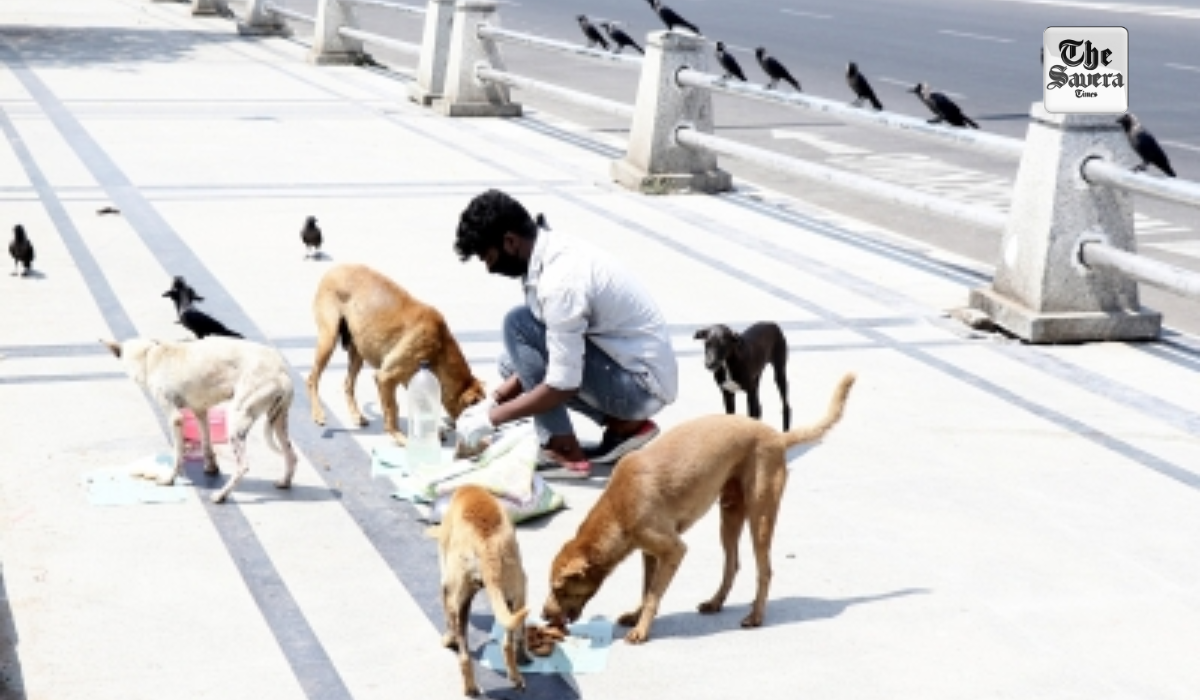
New Delhi: The Supreme Court on Tuesday questioned the attitude of people and organisations that feed stray dogs in public places, asking whether their compassion is limited to animals and not extended to humans. During the hearing, the apex court raised a pointed query on accountability, asking who should be held responsible if a nine-year-old child.