Last Updated: October 21, 2026
Last Updated: October 21, 2026





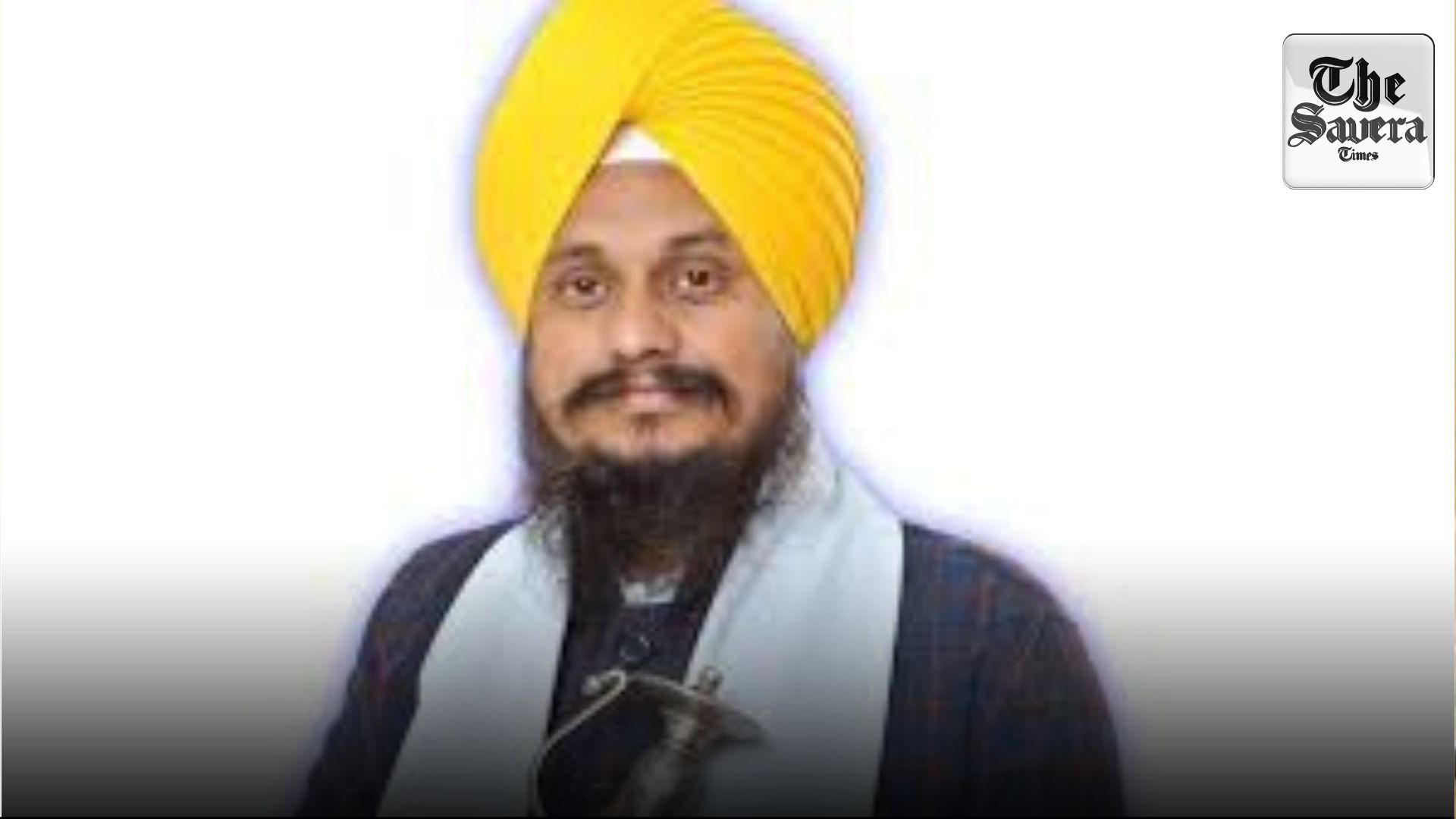
Chandigarh: The Shiromani Akali Dal (SAD) has extended full support to Tamil Nadu Chief Minister M.K. Stalin’s recent call for strengthening India’s federal structure, stressing that the time has come to go beyond Centre–State relations and build robust State-to-State mechanisms.
In a detailed letter to Stalin, SAD president Giani Harpreet Singh welcomed Tamil Nadu’s initiative to reopen the debate on Union–State ties. Drawing parallels with Punjab’s political history, he recalled the Anandpur Sahib Resolution of 1973, which demanded genuine autonomy for States within a strong Union but was “misunderstood and maligned as separatist.”
ਮਾਣਯੋਗ ਮੁੱਖ ਮੰਤਰੀ @mkstalin ਜੀ ਦੇ ਪੱਤਰ ਵਿੱਚ ਉਠਾਏ ਗਏ ਵਿਚਾਰਾਂ ਨਾਲ ਸਾਡੀ ਤੇ ਸਾਡੀ ਪਾਰਟੀ ਦੀ ਪੂਰੀ ਸਹਿਮਤੀ ਹੈ। ਭਾਰਤ ਵਿਚ ਫੈਡਰਲ ਢਾਂਚੇ ਦੀ ਮਜ਼ਬੂਤੀ ਲਈ ਹਰ ਰਾਜ ਦੇ ਅਧਿਕਾਰਾਂ, ਸਭਿਆਚਾਰ, ਭਾਸ਼ਾ ਕੁਦਰਤੀ ਸਰੋਤਾਂ ਦੀ ਰੱਖਿਆ ਅਤੇ ਵਿਲੱਖਣਤਾ ਦਾ ਸਨਮਾਨ ਕਰਨਾ ਸਮੇਂ ਦੀ ਲੋੜ ਹੈ।
ਐੱਮ.ਕੇ. ਸਟਾਲਿਨ
ਮਾਣਯੋਗ ਮੁੱਖ ਮੰਤਰੀ,… pic.twitter.com/gZvH3Cc53B— Singh Sahib Giani Harpreet Singh (@J_Harpreetsingh) September 22, 2025
Singh argued that the tragedy of Anandpur Sahib lay in its framing, which trapped cooperative federalism in a Centre-versus-State binary. “Today, we must move further. The old paradigm of Centre–State tug-of-war cannot resolve India’s challenges. What is needed is a new grammar of federalism — one based not only on Centre–State relations but also on State-to-State solidarity,” Singh wrote.
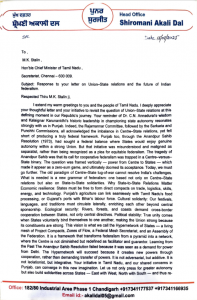
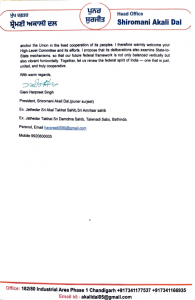
The Akali leader outlined four key areas where stronger State cooperation could transform governance:
Calling this vision a “Hypernetwork of States”, Singh proposed a federal mesh that functions as a living web of compacts, federal zones, and a federation assembly — redefining the Centre not as a power-hoarder but as a facilitator and guarantor.
“The Anandpur Sahib Resolution failed because it was seen as a demand for powers from Delhi. The Hypernetwork will succeed because it creates new powers through cooperation, rather than demanding transfer of powers. It is not adversarial but integrative,” Singh emphasized.
Responding to Stalin’s earlier letter on federalism, Singh said both Tamil Nadu and Punjab shared common concerns over central overreach. He urged Stalin’s High-Level Committee on federalism to examine not just vertical Centre–State relations but also horizontal State-to-State mechanisms, to make India’s federal spirit “just, united, and truly cooperative.”
To honour the valiant police personnel who laid down their lives while fighting militants and criminals for the...
Punjab government employees are observing a two-day mass casual leave protest on October 21 and 22. The agitation...
Punjab Police have arrested seven people in a suspected drug, arms and explosives smuggling case in Amritsar. A...

Punjab has reported 404 stubble-burning incidents, with Tarn Taran and Amritsar accounting for the highest numbers. Authorities have...

The CBI has taken over the investigation into anti-drug activist Parvinder Singh Jhota’s killing in Mansa and registered...
Punjab Chief Minister Bhagwant Mann was allegedly detained for three hours at Delhi airport upon his return from...
Aries: The day will be auspicious...