Last Updated: October 12, 2026
Last Updated: October 12, 2026





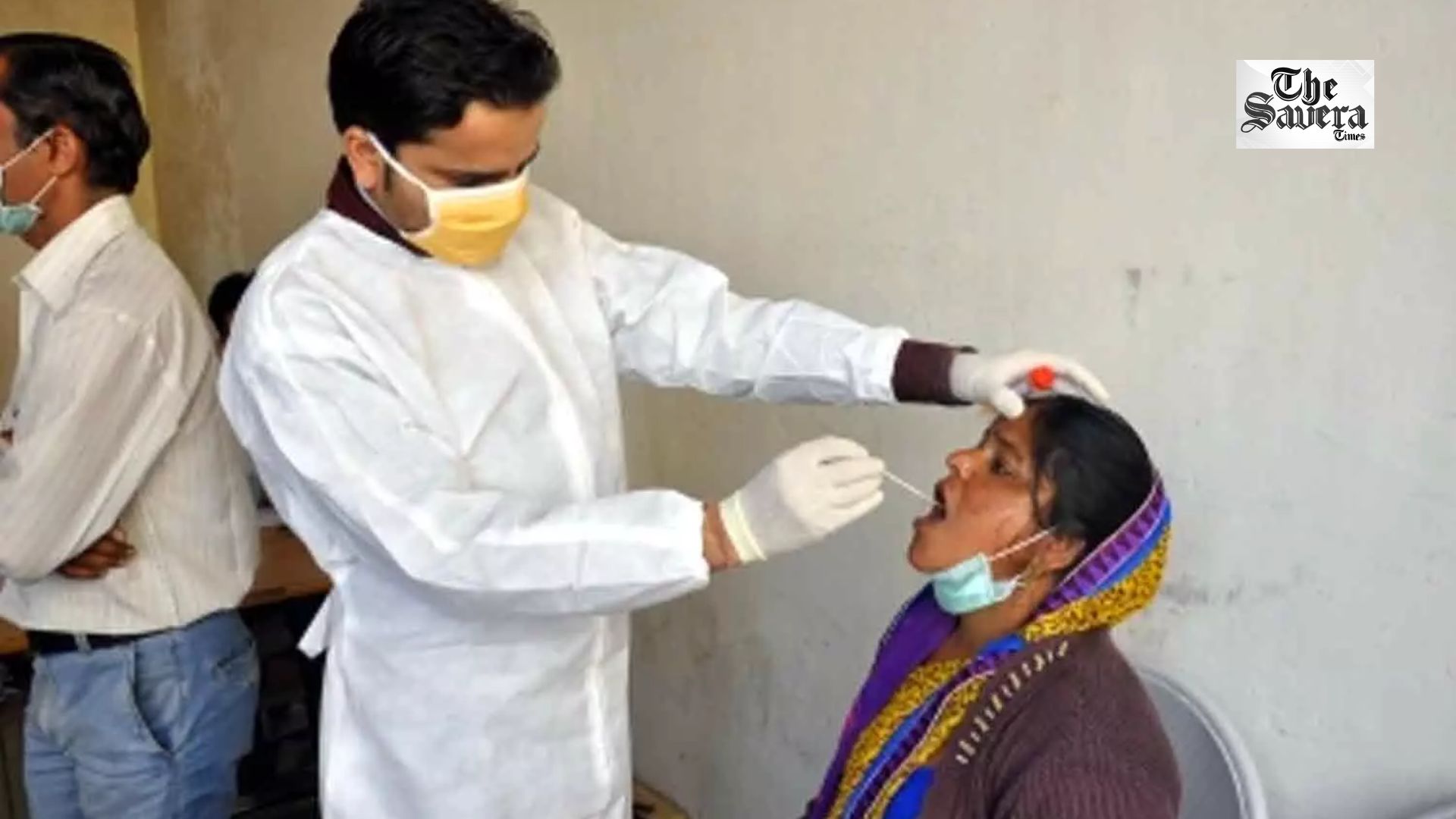
New Delhi: Safdarjung Hospital in Delhi has said it is fully equipped to manage patients suffering from swine flu, or H1N1 influenza, as well as other seasonal illnesses, with necessary medicines, treatment facilities and supportive care available.
In a statement, the hospital said patients presenting with influenza-like symptoms are being appropriately assessed and fast-tracked for timely medical attention. Treatment is being provided according to the clinical requirements of individual patients and prevailing medical guidelines.
“The hospital is fully equipped to manage cases of swine flu and other seasonal illnesses, with necessary medicines, treatment facilities and supportive care available,” the hospital said.
“Patients presenting with influenza-like symptoms are appropriately assessed and fast-tracked for timely medical attention. Appropriate treatment is provided as per clinical requirements and prevailing guidelines,” it added.
Hospital monitoring influenza cases
The hospital said it continues to monitor such cases and has adequate arrangements in place for their management.
The statement comes amid increased attention on H1N1 and seasonal influenza cases in Delhi. Health authorities and hospitals have been closely monitoring patients reporting influenza-like symptoms, particularly those requiring timely medical intervention due to breathing difficulties or other complications.
Safdarjung Hospital said its existing arrangements are adequate to manage such patients and provide supportive care wherever required. The hospital’s focus remains on early assessment, timely treatment and continued monitoring of influenza-like illnesses.
H1N1 symptoms and complications
H1N1 is a subtype of the influenza A virus that causes respiratory infection. It became widely known as “swine flu” during the 2009 influenza pandemic and later became part of the seasonal influenza viruses that circulate among humans.
Common symptoms of influenza include fever, cough, sore throat, headache, body aches, fatigue and a runny or blocked nose. Many people recover within several days to about a week.
However, influenza can sometimes lead to serious complications, particularly among older adults, young children, pregnant women and people with certain underlying health conditions.
Severe respiratory symptoms, persistent high fever, breathing difficulty, chest discomfort, confusion or a worsening condition may require prompt medical evaluation.
Hygiene, vaccination can help prevent spread
Influenza spreads mainly through respiratory droplets and particles released when an infected person coughs, sneezes or talks.
Maintaining good hand hygiene, covering coughs and sneezes and avoiding close contact with people who are unwell can help reduce transmission.
Seasonal influenza vaccination is also an important preventive measure, particularly for people at higher risk of complications.
Haryana Congress MPs, MLAs and senior leaders gather at Bhupinder Singh Hooda’s residence before the INDIA bloc’s march...

BJP leader Kirit Somaiya has announced plans to file a complaint against actor Imran Khan over alleged OCI...

Start your day with The Savera Morning Brief, bringing you the top India and world news, breaking developments,...

Maharashtra MPSC Chairman Vivek Bhimanwar has been sent on compulsory leave until the inquiry into the alleged paper...

Rahul Gandhi and other INDIA bloc leaders are set to march towards the Supreme Court over alleged electoral...

Uttar Pradesh Chief Minister Yogi Adityanath extends greetings on the second day of Shardiya Navratri, dedicated to Maa...