Last Updated: October 12, 2026
Last Updated: October 12, 2026





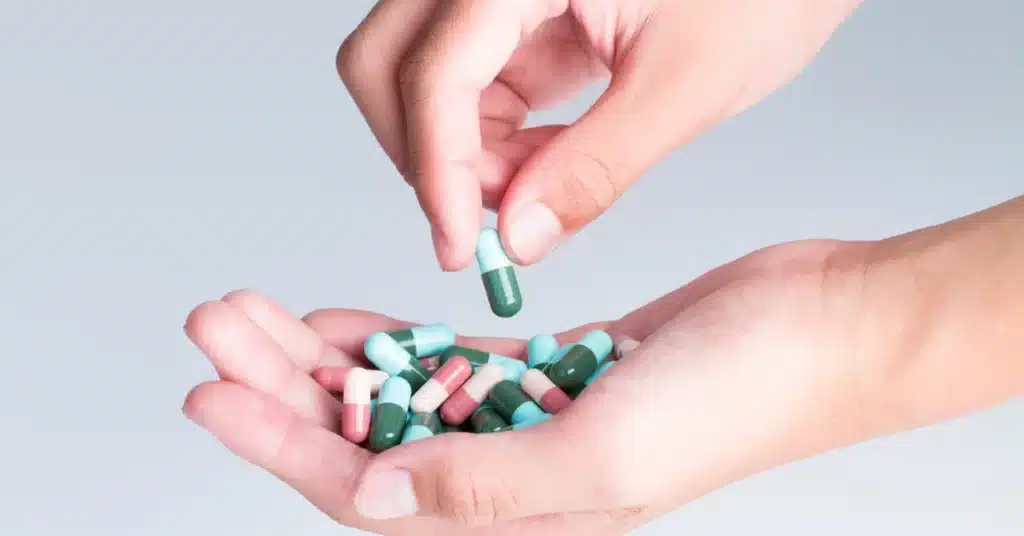
Antimicrobial resistance (AMR) is a growing threat to global health, food security and sustainable development. It weakens the effectiveness of medicines that have saved lives for decades and places severe strain on healthcare systems. In low- and middle-income countries, the challenge is to ensure access to essential antimicrobials while preventing their misuse across human, animal and environmental sectors.
Sri Lanka, a lower-middle-income nation in South Asia, has made steady progress in addressing AMR by applying a One Health approach that links policy, research, surveillance and community engagement. The country has shown how coordinated governance and evidence-based decision-making can create a foundation for long-term containment of AMR.
Sri Lanka’s first National Strategic Plan for AMR (2017–2022) established a National Focal Point for Combating AMR within the Ministry of Health. This provided institutional direction and signalled recognition that AMR required an integrated response. The second National Action Plan (2023–2028), supported by a costed operational roadmap, expands this work. It prioritises surveillance, laboratory capacity, antimicrobial stewardship, infection prevention and control, research and environmental monitoring. The plan brings together ministries responsible for health, agriculture, livestock, fisheries and environment, along with professional bodies, academic institutions and development partners. This multi-sectoral framework has strengthened policy coherence and accountability.
Surveillance has been a central focus. Sri Lanka has expanded its National AMR Surveillance Network in both human and animal health sectors. With support from WHO, the Fleming Fund and FAO, laboratories are being upgraded to improve microbial identification and antimicrobial susceptibility testing. Data generated from hospital and field laboratories now informs stewardship practices, clinical decisions and contributions to global databases such as GLASS and InFARM. Infection prevention and control programmes and diagnostic stewardship initiatives are helping reduce unnecessary antimicrobial prescriptions and preserve drug effectiveness.
Behavioural change is another key pillar. Each year, Sri Lanka actively observes World AMR Awareness Week through the Clean Sri Lanka campaign, which reaches schools, communities and professional groups. The 2025 campaign promotes the messages Act Now: Protect Our Present, Secure Our Future and Antimicrobials: Handle with Care. Outreach activities by health officers and community educators promote hygiene, vaccination, food safety and responsible antimicrobial use.
The One Health approach is reflected in joint training, surveillance and research across sectors. Environmental monitoring projects plan to measure antimicrobial residues in water and effluent systems, while farm-level monitoring encourages responsible antibiotic use in animals. Food safety standards are being aligned with AMR containment goals.
Despite progress, Sri Lanka continues to face challenges in financing, workforce capacity and regulatory oversight. The next phase aims to institutionalise stewardship programmes, strengthen regulatory controls and ensure sustained community engagement. International collaboration remains essential to support these efforts.
Sri Lanka’s experience demonstrates that AMR containment is achievable when science, coordination and public awareness move forward together. The country’s One Health model offers lessons for others seeking to build resilient systems that protect both present and future generations.
Ac There’s no doubt that smoking can cause serious health related problems and also up the risk of...

Are you one of those who exercise daily but are still unable to lose weight? We might have...

Self-medication is a global phenomenon and a potential contributor to antimicrobial resistance. The adverse consequences of such practices...
There is a crucial link and health and the current status of Delhi stands as a testimony to...

A team of researchers has come up with an artificial protein that may block malignant properties of cancer...
If you’re worried about job, money, the status of the world, or anything else, try a moment of...

Aries: The day will be auspicious...